


More news on this day
India has renewed an urgent warning to its citizens in Iran, urging those still in the country to leave at the earliest opportunity and advising all prospective travelers to postpone plans amid rapidly escalating hostilities between the United States and Iran.
Get the latest news straight to your inbox!
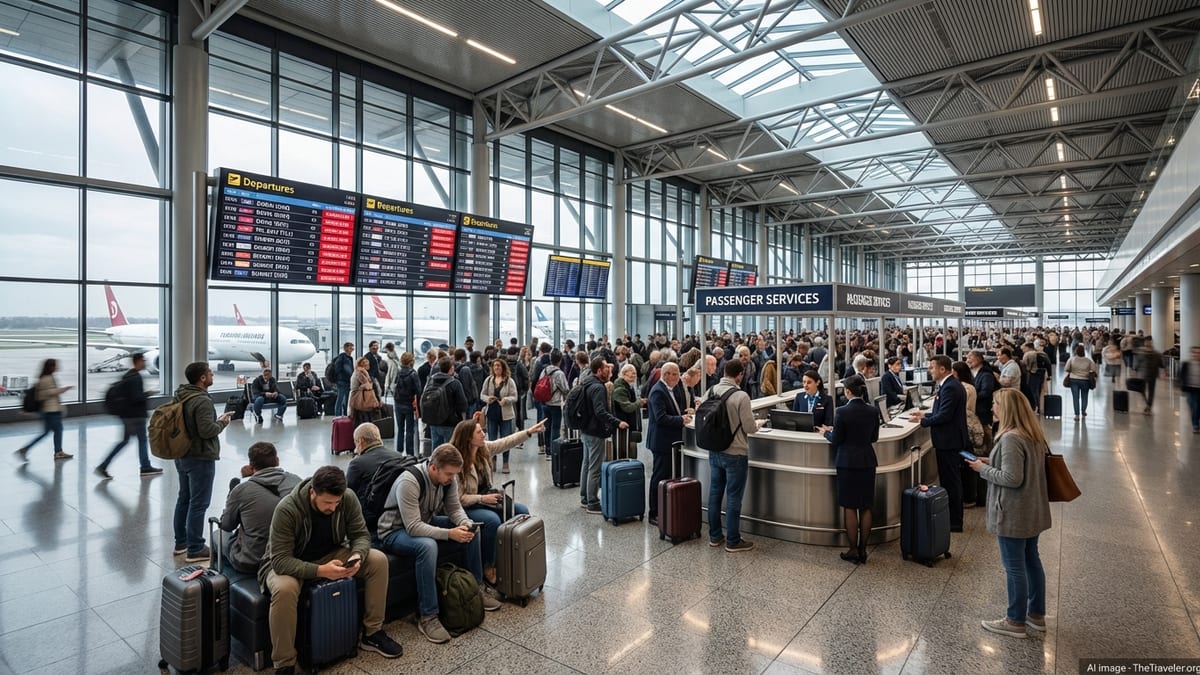
Latest Advisory Urges Exit and Postponement of Travel
In a fresh advisory issued on July 20, 2026, Indian authorities have reinforced earlier guidance that nationals should avoid all travel to Iran and that those currently in the country should consider departing while commercial options remain available. Publicly available information from the Indian Embassy in Tehran indicates that the latest notice reiterates earlier advisories from January, April and June that progressively tightened restrictions as the security environment worsened.
Recent coverage of the advisory notes that Indian nationals intending to visit Iran for tourism, study, pilgrimage or business have been asked to postpone travel until further notice. The communication highlights that only limited commercial flights and overland routes are functioning and that these may be disrupted without warning as the regional conflict evolves.
The Indian mission in Tehran has also been calling on citizens who choose to remain in Iran to regularly reassess their personal safety, maintain updated travel documents and stay in close touch with embassy communication channels. Previous notices have warned that rapid changes on the ground could complicate any future evacuation or assistance efforts.
Escalating US Iran Hostilities Drive Security Concerns
The renewed Indian advisory comes as the confrontation between the United States and Iran has entered a more dangerous phase, with reports of expanded airstrikes, drone attacks and operations targeting military and nuclear-related facilities across Iran. International coverage indicates that the most recent US strikes have focused on infrastructure linked to Iran’s nuclear program and missile capabilities, while Iranian forces and aligned groups have mounted retaliatory attacks against American positions and regional partners.
The current spike in violence follows months of steadily rising tension, including earlier missile exchanges, naval incidents in and around the Strait of Hormuz and attacks attributed to proxy militias in Iraq, Syria and Jordan. Reports from regional outlets and international media note that the collapse of intermittent ceasefire efforts has led to renewed cross-border fire and a wider military buildup by both Washington and Tehran.
Security analysts quoted in open media describe Iran’s internal environment as volatile, with a combination of wartime conditions, intermittent protests and heightened activity around strategic facilities. These factors have raised the risk of collateral damage, civilian casualties and sudden infrastructure failures, all of which are directly relevant to visiting or resident foreign nationals.
From Caution to Strong Warnings: India’s Evolving Iran Guidance
India’s latest message to its citizens in Iran is the toughest in a series of advisories that began in early 2026, initially framed around large-scale protests and domestic unrest. Early in the year, guidance focused on avoiding demonstrations, exercising due caution and limiting non essential travel. As the Iran conflict widened into direct clashes involving the United States and Israel, the language shifted from caution to explicit recommendations to leave.
By mid February and again in April, advisories published through Indian government channels and widely reported in the press urged Indian nationals including students, pilgrims, businesspeople and tourists to leave Iran by available commercial means. These notices emphasized that the situation was evolving quickly and that any deterioration could constrain options for departure, particularly for those located far from major airports or border crossings.
In June, India issued a further revised advisory, highlighted in travel and news media, that renewed the call to avoid travel to Iran and reiterated the request that remaining citizens depart as soon as practicable. The July update builds on this trajectory by explicitly linking the recommendation to the latest round of US Iran hostilities and warning that the security environment has become significantly more unstable across West Asia.
Impact on Travellers, Students and the Indian Diaspora
The strengthened warning has immediate implications for Indian travelers, overseas students and workers with ties to Iran. Travel industry reporting suggests that tour operators offering cultural and pilgrimage itineraries to Iranian destinations had already been facing cancellations since the start of the year, and the latest notice effectively freezes any near term revival of organized travel from India.
For the estimated thousands of Indian nationals who have lived, studied or worked in Iran in recent years, the advisories pose difficult decisions about whether to return home temporarily or attempt to remain in place. Previous public commentary and coverage from Indian media have documented cases of students and workers weighing the cost of disrupted education and employment against the growing risk of being caught in active conflict or facing sudden border closures.
Travel experts cited in open coverage note that international health and travel insurance may not fully cover claims in formally designated conflict zones, adding another layer of uncertainty. They also point out that any large scale evacuation, if needed, would be more complex and risky in an environment of active hostilities, constrained airspace and intermittent internet and communications outages.
Regional Repercussions and What Travellers Should Watch
India’s firm stance on Iran travel is part of a broader wave of updated guidance from governments reacting to the intensifying US Iran confrontation. Recent advisories from Western countries have warned of heightened risks of terrorism, missile attacks and airspace disruptions not only in Iran but across parts of West Asia, affecting airlines, shipping routes and overflight corridors that connect Asia, Europe and Africa.
Travel analysts tracking aviation data report that some carriers have rerouted or suspended flights that cross Iranian airspace or pass close to known conflict zones. While many services continue to operate, schedules remain fluid, and travelers with itineraries touching the wider region are being urged by news outlets and travel providers to monitor airline announcements closely.
For Indian nationals specifically, publicly available information from official and media sources consistently advises postponing all non essential trips to Iran, closely following updates from the Indian Embassy in Tehran and the Ministry of External Affairs, and maintaining flexible contingency plans for any essential travel through nearby hubs. Observers suggest that the trajectory of US Iran hostilities in the coming weeks will be a key determinant of whether restrictions tighten further or some degree of normality gradually returns to regional travel networks.