


More news on this day
Recent missile and drone attacks on Saudi Arabia, claimed by Yemen’s Houthi movement and linked to wider confrontation with Iran, have renewed questions about whether it is safe for tourists to travel to the nearby United Arab Emirates, including the major hubs of Dubai and Abu Dhabi.
Get the latest news straight to your inbox!
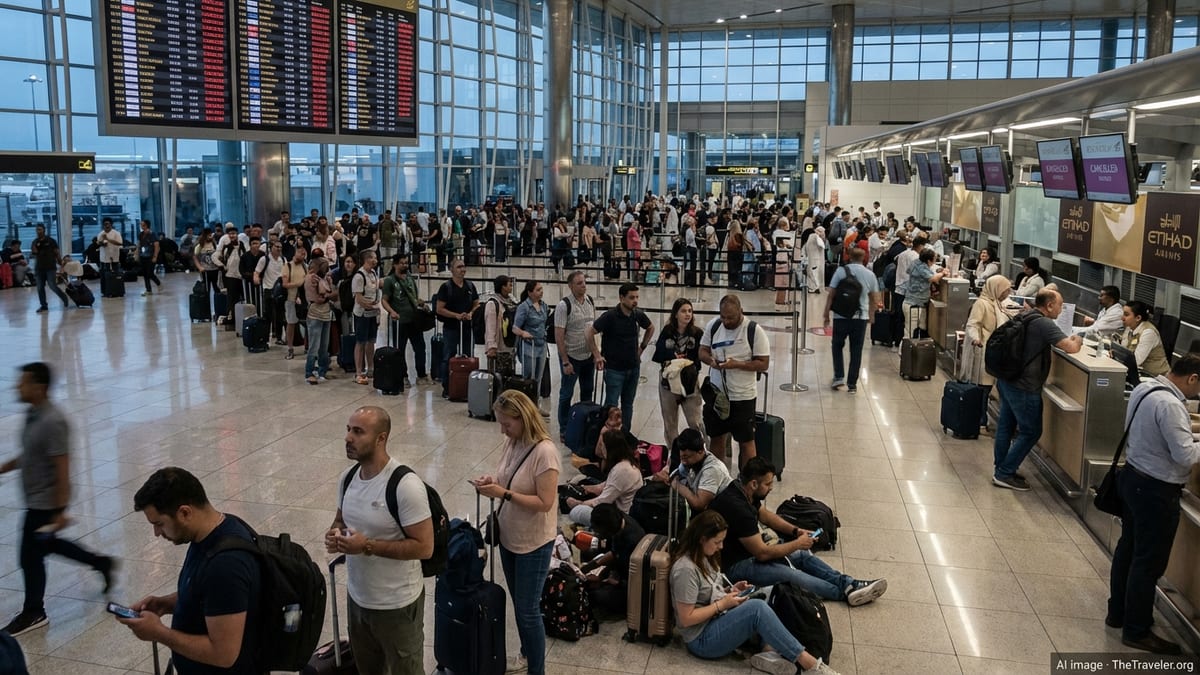
Heightened regional tensions but UAE remains open to visitors
The latest wave of attacks on Saudi oil and infrastructure sites has underscored how quickly security conditions in the Gulf can shift, particularly as the conflict involving Iran, the United States and regional actors continues to play out. Reports from international media describe recent strikes on Saudi facilities and earlier missile and drone incidents affecting airports and energy targets around the region, including the UAE.
Despite this backdrop, Dubai and Abu Dhabi remain operational as major travel and transit hubs. Publicly available information from airlines and airport operators indicates that flights are running, although there have been periodic delays, diversions and airspace restrictions during spikes in tension. A March 2026 drone strike near Dubai International Airport, for example, briefly disrupted operations and led to diversions but did not result in mass casualties, and services later resumed.
For prospective visitors, the key distinction is between regional instability and the on-the-ground situation in the cities themselves. Both Dubai and Abu Dhabi continue to host large numbers of residents and international visitors, with hotels, malls and attractions largely functioning as normal between specific security incidents. However, the regional nature of recent attacks means that travel plans can be affected at short notice, even if tourist districts are not directly targeted.
What current government travel advisories are saying
Travel advisories from major governments have been updated repeatedly in 2026 in response to missile and drone activity across the Gulf. As of early September 2026, the United States rates the United Arab Emirates at Level 3, advising travelers to reconsider travel because of terrorism and armed conflict. The advisory highlights the risk of drone and missile attacks from Iran and notes that US officials monitor potential targeting of locations linked to US and Israeli interests in the UAE.
The United Kingdom’s Foreign, Commonwealth & Development Office maintains country-specific advice for the UAE, including separate sections on safety, security and regional tensions. The guidance notes a continued threat of terrorism in the Emirates, with particular attention to locations frequented by foreign nationals, and references the possibility of further Iranian strikes in the wider region. While the UK has in recent months moved away from the strongest discouragement against travel to the UAE, its advice still urges visitors to remain vigilant and be prepared for airspace closures or flight disruptions if tensions escalate.
Other European governments have issued temporary aviation bulletins at various points this year, advising airlines to carefully assess the risks of operating in Gulf airspace during periods of intensified missile activity. One industry-focused analysis in July 2026 described how some carriers temporarily suspended services to Dubai and other hubs, while others continued to operate with altered routings and adjusted schedules.
Security measures in Dubai and Abu Dhabi
Dubai and Abu Dhabi have for years invested heavily in airport and city security, a factor that continues to shape travel advice. International assessments and travel information pages describe the UAE as having robust air defense systems and strict controls around key infrastructure. Reports on the 2026 Iranian strikes on Gulf states suggest that a large proportion of missiles and drones aimed at the UAE were intercepted before reaching their targets, although some debris and successful hits caused localized damage and injuries.
Within the cities, visible policing, extensive CCTV coverage and tight regulation of public spaces are longstanding features of daily life. Visitors passing through Dubai International Airport or Abu Dhabi International Airport encounter layered screening and security checks that are comparable to or more stringent than many other major hubs. These systems did not prevent all impacts during the March and April 2026 attacks, but they contributed to containing fires and limiting casualties when incidents occurred near fuel facilities and at industrial sites.
Travelers should also be aware that security measures can be adjusted rapidly. During specific alerts this year, local authorities temporarily rerouted traffic, paused some public transport links and issued warnings to residents to stay away from affected areas while civil defense teams responded. Such steps can cause short-term disruption even when tourist districts remain physically undamaged.
Practical advice for travelers considering a trip now
For those weighing whether to proceed with a trip to Dubai or Abu Dhabi after the latest attacks on Saudi Arabia, publicly available guidance emphasizes preparation and flexibility rather than a one-size-fits-all answer. Government advisories from the US, UK and others recommend that travelers first check the latest official travel advice for both the UAE and any transit countries, as risk ratings and wording can change quickly following new incidents.
Airlines operating to Dubai and Abu Dhabi, including the UAE’s own carriers, publish operational updates online and through email alerts. During recent surges in tension, some flights were delayed, re-routed or temporarily suspended, while others continued to operate with schedule adjustments. Prospective visitors are advised to monitor flight status closely in the days before departure, consider booking tickets that allow changes, and keep accommodation and insurance arrangements as flexible as possible.
Standard safety recommendations in the current environment include avoiding areas around military, energy and diplomatic facilities, staying alert in crowded public spaces, and knowing where to shelter if there are air raid or missile alerts. Travelers are also encouraged to register with their embassy where such programs exist, so they can receive security updates and be contactable in the event of a major incident affecting airspace or airport access.
Balancing risk, perception and the visitor experience
The experience of visitors already in Dubai and Abu Dhabi during 2026 illustrates the gap that can exist between headlines about regional conflict and day-to-day life on the ground. Outside specific attack windows, reports and traveler accounts describe busy beaches, packed restaurants and malls, and major events continuing to take place. At the same time, periodic missile or drone alerts, visible interception activity in the skies and short-notice flight changes have become part of the regional backdrop.
This environment means that individual risk tolerance plays an important role in deciding whether to travel. Some travelers may judge that the combination of a Level 3 US advisory and recent missile activity in the wider Gulf makes leisure travel inappropriate at present, particularly for families with young children or those with limited flexibility to change plans. Others may decide that the relative rarity of direct hits on tourist areas, the strength of the UAE’s defenses and the continued operation of airlines and hotels make the risk acceptable, provided they stay informed and prepared.
For now, Dubai and Abu Dhabi remain open and functioning as regional hubs, even as nearby Saudi Arabia experiences renewed attacks and the wider confrontation with Iran continues to generate security incidents. Anyone planning a visit in the coming weeks is likely to face a trade-off between the draw of the Emirates’ extensive tourism offerings and the heightened, if still statistically low, risk of being caught in a disruptive or dangerous event linked to the broader Gulf conflict.
US Department of State: United Arab Emirates Travel Advisory
UK Foreign, Commonwealth & Development Office: UAE travel advice
Coverage of March 2026 drone strike near Dubai International Airport
Regional report on tanker attacks, flight disruptions and advisories