


Mykonos is one of those names that instantly divides travelers. Some picture turquoise water, whitewashed lanes and lazy afternoons at chic beach clubs. Others see sky-high prices, cruise crowds and thumping bass until sunrise. If you are trying to decide whether Mykonos is worth it for you, it helps to strip away the hype and look at what the island actually offers in 2026: what you get for your money, when it shines, when it disappoints, and which quieter Cyclades islands might suit you better.
Get the latest updates straight to your inbox!
Mykonos at a Glance: Who It Really Suits
Mykonos is one of the most famous islands in the Cyclades, a Greek island group in the Aegean Sea that includes names like Naxos, Paros, Milos and Santorini. It built its reputation on three things: beautiful beaches, a glamorous nightlife scene and a strong LGBTQ+ friendly culture. In recent years it has also become a magnet for luxury travelers, superyachts and day-tripping cruise passengers.
In practical terms, Mykonos suits travelers who value atmosphere and convenience over strict budget discipline. If your idea of a great day is a late brunch in Mykonos Town, a reserved sunbed at a stylish beach club, sunset cocktails by the windmills and then dancing until 3 a.m., you will probably love it, especially in July and August when the energy peaks and big-name DJs appear at clubs like Cavo Paradiso overlooking Paradise Beach.
If, on the other hand, you dislike crowds, resent paying a premium for food and drink, or prefer quiet nights and empty coves, you may find Mykonos frustrating outside the shoulder season. In August, it is common to encounter queues for taxis at the port, packed alleys in Mykonos Town and fully booked beach clubs days in advance. Understanding this trade-off between buzz and peace is crucial before you commit.
Mykonos is also not essential for seeing “typical” Cycladic scenery. White cube houses with blue shutters, chapels on headlands and clear water are just as striking on islands like Sifnos, Serifos or Koufonisia, often with less noise and at lower prices. Mykonos offers a more polished, international version of that same aesthetic.
Beaches and Beach Clubs: Stunning Coast, Expensive Sunbeds
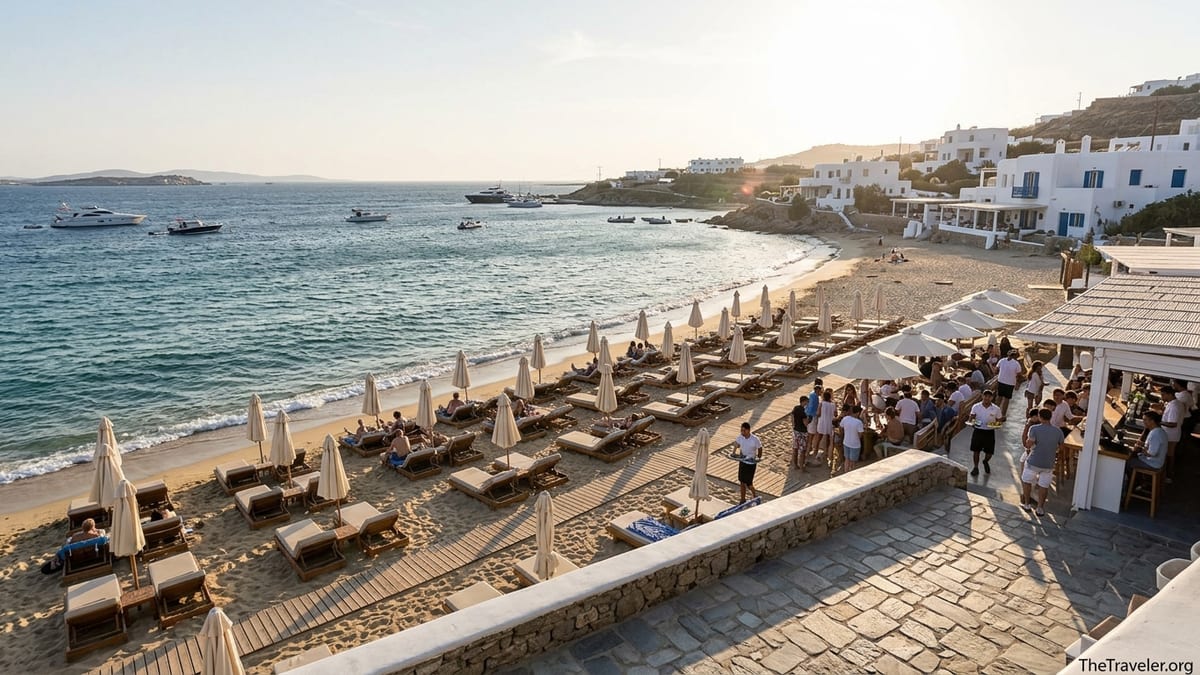
Mykonos has an excellent coastline, with a mix of organised resort-style beaches and quieter stretches. The most famous sands cluster along the south coast. Paradise and Super Paradise are synonymous with all-day parties, bass-heavy music and younger crowds. Nearby Paraga has a more mixed feel, with upscale spots like SantAnna and Scorpios drawing a fashionable, international clientele. Psarou is home to luxury venues like Nammos, known for celebrity visitors and designer shopping alongside the sand.
The trade-off is cost and density. In peak season it is normal to see double rows of sunbeds filling the sand. As of summer 2026, a pair of sunbeds with umbrella at a mid-range club on Ornos or Platis Gialos can easily run 60 to 100 euros per day for the front rows, while prime spots at prestige venues on Psarou or Paraga often cost comfortably above 150 euros and can climb higher for first-row beds closest to the water. Budget-oriented areas like Paradise Beach sometimes offer cheaper beds or even free sand at the edges, but you will rarely have a sense of seclusion.
Drinks follow the same pattern. A draft beer at a casual taverna on a popular beach might cost around 6 to 8 euros, while simple cocktails at well-known clubs commonly range from about 15 to 20 euros, with signature mixes higher. Ordering bottle service or champagne in VIP sections increases the bill very quickly. It is possible to spend a full day at the beach for far less if you bring your own towel, pick a less organised cove, and limit your bar visits, but that means stepping away from the famous beach-club culture Mykonos is known for.
Travelers who primarily want beautiful water and sand without a party soundtrack may be happier on beaches like Agios Sostis or Fokos in the north, where there are fewer facilities and less noise. Reaching them usually requires a car or ATV, and you trade convenience and services for space. For many visitors this balance between easy, serviced beaches and quieter, more natural coves is the key question: if you want a highly serviced, social beach environment, Mykonos delivers; if you want solitude, other Cyclades islands generally do better.
Nightlife, Crowds and Overall Atmosphere
Nightlife is where Mykonos justifies its reputation. In peak months the island hosts a dense concentration of bars, clubs and late-night restaurants, from LGBTQ+ bars around the old port to large open-air clubs styled like Cavo Paradiso above Paradise Beach. International house and techno DJs, theme nights and beach parties that start as sunset gatherings and end around sunrise are standard programming through July and August.
For travelers used to big European party cities, the cost structure will feel familiar to places like Ibiza. Cover charges for headline DJ nights at marquee venues can start around 30 to 50 euros and rise higher for premium events, while in-town bars often skip a cover but charge more per drink. It is common for people to pre-game at their hotels or casual bars in order to keep total spending manageable, then move to the main clubs around midnight. Mykonos Town’s old streets fill with a mix of cruise visitors, backpackers, honeymooners and luxury travelers drifting between bars until late.
Crowd levels fluctuate strongly with the calendar. In late July and most of August, cruise ship calls are frequent and the island population swells. Expect shoulder-to-shoulder conditions in Mykonos Town’s narrow lanes during the evening, particularly around Little Venice and the windmills at sunset. Taxis and buses run heavily but can still be oversubscribed, and it is not unusual to find long taxi queues at the main port when ferries arrive. For some visitors this dense energy is exhilarating; for others it feels overwhelming and erodes any sense of island calm.
Outside the party core, there is another side to Mykonos. Early morning walks through the old town, before cruisers disembark, feel almost village-like, with bakery lines of locals and shopkeepers washing stoops. Inland villages and remote chapels offer genuine quiet, especially outside peak season. However, these calmer pockets are often overlooked by travelers attracted mainly by nightlife. If you do not care about late nights, ask whether you are paying Mykonos prices for something you could experience more gently elsewhere.
What Things Really Cost in 2026
The single biggest complaint about Mykonos is price. Compared to many other Greek islands, it is simply more expensive across almost every budget line. Basic accommodation that might cost 80 to 120 euros per night on a quieter Cycladic island can easily run 160 to 250 euros on Mykonos in high season, even for simple guesthouses in or near Mykonos Town. Mid-range hotels with pools and sea views commonly price between 300 and 600 euros per night in July and August, while top luxury suites and villas can climb into four figures, especially on Psarou, Ornos and Elia coastlines.
Food has a similarly wide range but skews high. A classic gyro from a street counter in Mykonos Town may run around 5 to 7 euros, while a casual taverna dinner with a shared starter, main course and house wine can easily reach 25 to 40 euros per person, particularly in waterfront locations. Trendy restaurants on Little Venice or in top beach clubs regularly charge closer to big-city European prices: think 18 to 30 euros for a main dish and 12 to 18 euros for crafted cocktails. It is still possible to eat more affordably by choosing inland tavernas, ordering the dish of the day, and avoiding the most photographed venues, but these strategies are more limited than on less famous islands.
Transport also adds up. Taxi fares on the island start higher than many visitors expect, and short hops between Mykonos Town, the new port and nearby beaches can quickly total 20 to 30 euros each way during late-night hours or peak demand. Many travelers rent a small car or ATV for at least a few days to regain some control over costs and access remote coves. Day tours, from boat trips to Delos and Rhenia to private yacht charters, are priced accordingly: a basic group boat excursion may start around 80 to 120 euros per person including lunch, while a semi-private sailing day or sunset cruise often runs two to three times that.
All of this means that Mykonos “worth it” calculus should be tied to your budget tolerance. If you set expectations that you will spend more than on Paros or Naxos and treat it as a splurge, the sticker shock softens. If you arrive expecting typical Greek-island prices, the same cocktails, sunbeds and taxis that locals long ago accepted as normal can feel like a series of unpleasant surprises.
Seasonality and Shoulder Season Sweet Spots
The timing of your visit has an outsized impact on whether Mykonos feels magical or maddening. The main tourist season typically runs from late May to mid October, with peak conditions in late June, July and August. Weather is hot, sea temperatures are ideal for swimming, and almost every venue is open, but so are the floodgates of tour groups and party travelers. Prices for hotels and flights spike accordingly, and advance booking several months ahead is almost mandatory for popular properties and prime beach clubs.
Shoulder season, especially late May, early June and September into early October, is where many repeat visitors now focus their trips. In September in particular, the climate is still summery, the sea usually warm, and the meltemi winds often a bit calmer than in midsummer. Most restaurants and clubs remain open, yet the crowds thin enough that you can stroll Mykonos Town without constant jostling and find sunbeds without reserving days in advance. Room rates often drop by 20 to 40 percent compared with August, softening the overall bill without sacrificing too much atmosphere.
Early season, in April and early May, presents a different island again. Some businesses are still preparing to open, and the water can feel fresh for long swims, but walkers enjoy wildflowers, quiet churches and uncrowded lanes. Late October can bring similar calm, though shorter days and more unsettled weather. If you dream mainly of nightlife and packed beach clubs, these months will feel subdued; if you seek the architecture and mild hiking weather, they can be rewarding and more affordable.
Winter on Mykonos is quiet and highly local. Many tourist-focused venues close entirely, ferries run less frequently, and winds can be brisk. For most first-time travelers, especially those hoping for the classic white-and-blue postcard scenes plus reliable swimming, the realistic window is April to October, with September standing out as the best compromise between atmosphere, availability and price.
Quieter Cyclades Alternatives and When to Skip Mykonos
If what draws you to the Cyclades is the idea of whitewashed villages, good food and pretty beaches rather than club culture, it is worth looking closely at alternative islands. Sifnos, for example, has a reputation for excellent local cuisine, relaxed villages like Apollonia and Artemonas, and a network of trails linking chapels and beaches. It offers classic Cycladic scenery but a much calmer pace than Mykonos or Santorini, and in summer it is popular with Athenians who want authenticity without glitz.
Serifos has a rugged coastline and one of the most dramatic hilltop towns in the archipelago. Its beaches, including Psili Ammos and Vagia, feel far less developed than Mykonos’s south-coast strands, with a stronger sense of being on the edge of the Aegean rather than in a curated resort. Milos, slightly further west, is famous for surreal rock formations at Sarakiniko, colorful boathouses at Klima and a wide variety of coves reachable by car or boat, with a more mixed crowd of couples, families and independent travelers. Smaller islands like Koufonisia in the Lesser Cyclades offer shallow turquoise waters and sandy paths where most people walk or cycle instead of drive, giving an almost car-free holiday experience.
In practice, you should consider skipping Mykonos if your priorities are tranquility, value for money and a strong local feel. A couple wanting to spend days reading on the beach, swimming and lingering over long dinners without loud music might find Serifos or Sifnos more satisfying. Families who care more about safe, shallow beaches and varied day trips than nightlife often choose Naxos or Paros, where prices are lower and local infrastructure is more oriented to all-round tourism rather than late-night clubs.
It can also make sense to treat Mykonos as a short stop rather than a full holiday. Some travelers arriving by ferry from Piraeus choose to spend one or two nights in Mykonos Town to see the windmills, explore Little Venice, and take a day trip to the archaeological site of Delos, then move on to a quieter island for the bulk of their stay. This approach allows you to sample the island’s iconic sights and nightlife without paying peak rates for an entire week.
When comparing options, pay attention to ferry routes as well as mood. Mykonos is a major hub with frequent year-round connections from Piraeus and other Cyclades islands, which makes it very convenient as an entry or exit point. Islands like Sifnos, Serifos and Milos are also served from Piraeus but on different routes and schedules, while smaller places such as Koufonisia usually require connections via larger islands. Factoring in ferry time and potential wind-related delays will help you decide whether to base in Mykonos or bypass it entirely.
Who Will Love Mykonos and Who Should Choose Another Island
Putting all of this together, Mykonos is worth it if you value energy, style and social life at least as much as solitude. It is a strong fit for groups of friends planning a celebratory trip, couples who want a few high-gloss nights out, solo travelers who appreciate a lively LGBTQ+ scene, and anyone who enjoys people-watching in designer boutiques and waterfront bars. If you consciously budget for beach clubs and restaurants and see the island’s premium as part of the experience, you are more likely to go home satisfied.
You are also a good candidate for Mykonos if you are traveling in shoulder season and can appreciate its quieter side. In May or September, it is possible to balance a few late nights with relaxed days exploring inland villages, northern coves and the ruins of Delos while still enjoying a buzz in the evenings. Travelers who are short on time and want an easy logistics hub with frequent ferries and flights might also find Mykonos practical as a base, especially when pairing it with only one or two other islands.
By contrast, Mykonos is probably not worth it for travelers on tight budgets, those sensitive to noise, or anyone who associates a holiday with under-the-radar places. If your ideal evening is the sound of waves outside a simple room and the loudest noise is cutlery in a family-run taverna, the same money will buy you much more on islands like Sifnos, Serifos, Milos, Amorgos or even larger Naxos. Travelers who dislike overt luxury branding and selfie-heavy hotspots also tend to feel more at home on these alternatives.
The decision becomes easier once you define your non-negotiables. If a world-class nightlife scene and busy beach clubs rank high, Mykonos remains top-tier in Europe. If your non-negotiables are space, silence and modest bills, then choosing another Cyclades island instead is likely to give you a better version of the Greek-island dream.
The Takeaway
Mykonos is neither an overhyped tourist trap nor a universally perfect destination. It is a specific kind of island: visually stunning, highly serviced, expensive and intensely social, especially in high summer. For travelers who arrive knowing that they are paying for buzz, scenery and convenience, it can deliver unforgettable days and nights, whether that means dancing above the sea to international DJs, drifting between chic beach clubs or wandering through whitewashed alleys at dawn as the town slowly wakes up.
At the same time, many of the elements that make Mykonos attractive on postcards exist across the Cyclades at lower prices and with more breathing room. Islands like Sifnos, Serifos, Milos and Koufonisia prove that you can have crystal water, traditional villages and excellent food without nightclub decibels and superyacht economics. For a growing number of travelers, especially those outside party-going ages or with limited budgets, these quieter alternatives are where the Greek islands feel most authentic.
The most useful question to ask is not “Is Mykonos worth it?” in the abstract, but “Is Mykonos worth it for the kind of trip I want right now?” If your answer includes nightlife, social beaches, luxury touches and you can afford the higher costs, then the island is likely to be a memorable highlight of your time in Greece. If your answer centers on solitude, simplicity and stretching every euro, then your perfect Cycladic escape probably lies on another island, with Mykonos kept as a brief side stop or skipped entirely.
FAQ
Q1. Is Mykonos worth visiting on a tight budget?
For very strict budgets, Mykonos is challenging. You can save by visiting in May or late September, using buses, staying outside Mykonos Town and skipping pricey beach clubs, but most travelers find islands like Naxos, Paros or Sifnos offer better value for basic rooms, meals and transport.
Q2. When is the best month to visit Mykonos for fewer crowds but good weather?
September is often the sweet spot. The sea is warm from summer, most venues are still open, but August crowds have thinned and accommodation prices typically drop compared with peak season.
Q3. Are the famous Mykonos beach clubs really that expensive?
Yes, especially in July and August. Front-row sunbeds at high-end clubs on beaches like Psarou or Paraga can cost well over 100 euros per pair per day, and cocktails commonly run around big European city prices. More basic beds and drinks are available on simpler beaches, but the island remains one of the pricier spots in Greece.
Q4. Can I enjoy Mykonos without going to clubs or partying late?
You can, particularly in shoulder season. Early mornings in Mykonos Town, quiet northern beaches, inland villages and a day trip to Delos all appeal to non-partiers. In high summer you will still feel the island’s party atmosphere in busy areas, but it is possible to base yourself in a calmer beach village and keep nights low-key.
Q5. Which Cyclades islands are best alternatives if I want a quieter vibe?
Sifnos and Serifos are popular for relaxed beaches, traditional villages and good food with a calmer pace. Milos offers spectacular coastline and varied coves, while small islands like Koufonisia provide shallow turquoise bays and a very low-key, largely car-free feel compared with Mykonos.
Q6. How long should I stay in Mykonos if I am combining it with other islands?
Many travelers find two or three nights enough to see Mykonos Town, visit one or two beaches and experience at least one night out. If you want multiple club nights and more beach-hopping, four or five nights can work, but for longer total trips it often makes sense to spend extra days on quieter, better-value islands.
Q7. Is Mykonos suitable for families with children?
It can be, especially in late May, June or September when nightlife energy is slightly toned down in the day and beaches like Ornos, Platis Gialos and Elia offer shallow water and plenty of services. However, families on tighter budgets or those seeking very peaceful evenings often prefer Naxos, Paros or smaller islands where everyday costs are lower and nightlife is less central.
Q8. Do I need to book everything in advance for a summer trip to Mykonos?
For July and August, advance booking is strongly recommended. Reserving accommodation several months ahead is common, and booking popular restaurants or beach clubs a few days in advance helps avoid disappointment. In May, June and September you still benefit from booking key items, but you generally have more flexibility.
Q9. Is Mykonos still a good choice if I mainly want authentic Greek food and culture?
Mykonos has excellent restaurants and some traditional corners, but its center of gravity is international and geared toward tourism. If food and everyday local culture are your main goals, islands like Sifnos, Naxos or Tinos usually feel more authentically Greek in daily life and place less emphasis on luxury branding.
Q10. Should I stay in Mykonos Town or near a beach?
Staying in Mykonos Town puts you close to nightlife, shops and the old harbor, which is ideal for short stays and party-focused trips. Beach areas like Ornos, Platis Gialos or Elia are better if you want easy daytime swimming, more relaxed evenings and fewer late-night noise issues, though you will rely more on buses, taxis or rentals to reach the old town.