


Palancar Reef off the southwest coast of Cozumel has almost mythical status among Caribbean divers. Clear water, dramatic coral formations and frequent turtle and ray encounters make it one of Mexico’s signature underwater landscapes. Yet not every traveler, snorkeler or cruise passenger will have the same experience here. Whether Palancar is truly worth your limited vacation time depends on your skills, expectations and even how prone you are to seasickness. This guide breaks down who should go, what conditions to expect and when another Cozumel tour might be the smarter choice.
Get the latest updates straight to your inbox!
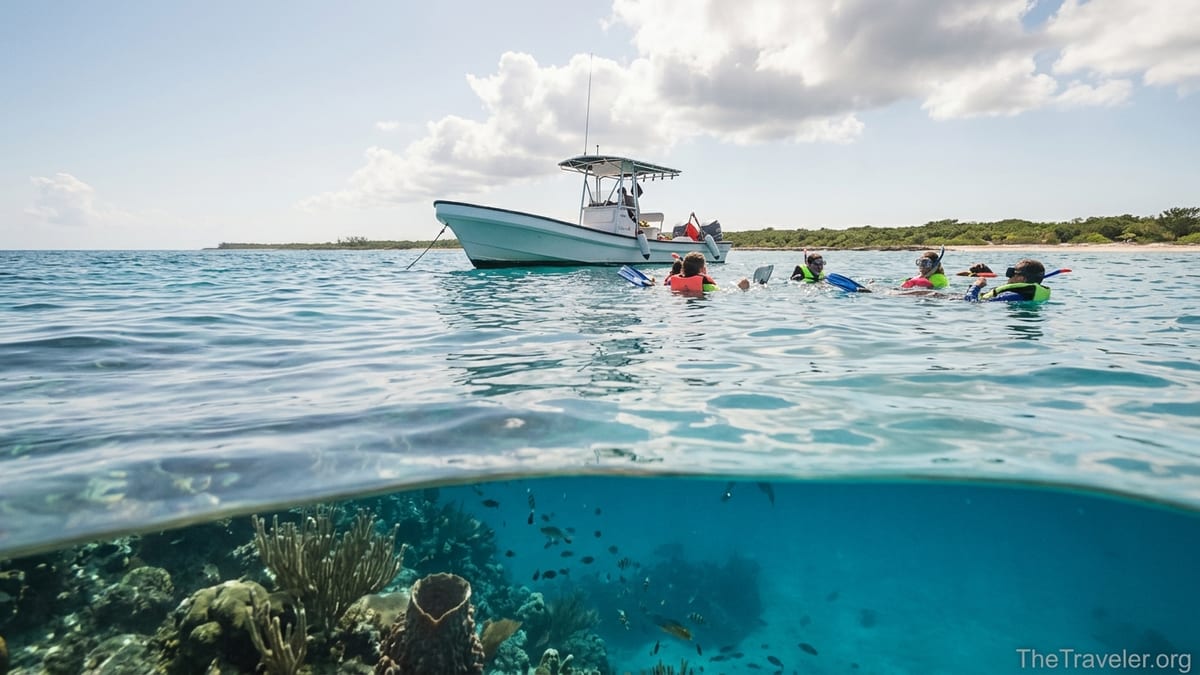
What Makes Palancar Reef Special (And When It Disappoints)
Palancar Reef is part of Arrecifes de Cozumel National Park, stretching for roughly five kilometers along the island’s southwest coast. It is usually reached by small dive and snorkel boats from Cozumel’s marinas or from beach clubs like Playa Palancar. The reef is split into several named sections such as Palancar Gardens, Caves, Horseshoe and Bricks, each with different depths and topography. Divers often describe Palancar as a cathedral of coral, with towering buttresses, swim-throughs and sandy channels in between.
Under good conditions, visibility often exceeds 30 meters and the water stays around 78 to 82 degrees Fahrenheit for much of the year, so you can comfortably dive in a shorty or 3 mm wetsuit, or snorkel without a suit at all. Many operators advertise Palancar in combination with nearby reefs like Colombia and the sandbar area known as El Cielo, creating a two or three stop itinerary in a half-day trip. Typical shared tours from Cozumel run about 4 hours, often including gear and bottled water, with prices commonly in the 50 to 100 US dollar range per person depending on the boat size and inclusions.
However, not every visitor comes away impressed. Some recent snorkelers note that compared with heavily promoted photos, certain stretches of the reef feel sparser, with patches of coral stress and fewer large fish than they expected. Those who book crowded party catamarans with 30 to 50 people on board sometimes find themselves jostling at the surface, staring mostly at fins and bubbles. For first-time snorkelers who are nervous in deep water, Palancar can feel more like a challenge than a Caribbean postcard. All of this means that whether Palancar is “worth it” depends a lot on matching the experience to the right traveler.
Palancar for Snorkelers vs Divers
Palancar’s reputation was built primarily by scuba divers. Depths on different sections range roughly from 9 to over 30 meters, with dramatic drop-offs and coral buttresses that truly reveal their scale when you can descend and drift along the walls. Experienced divers often rank Palancar Horseshoe and Palancar Bricks among their favorite Cozumel dives because of large sponges, deep swim-throughs and encounters with turtles, eagle rays and the local endemic splendid toadfish hiding in the sand. If you are a certified diver, especially with some drift experience, Palancar is arguably a must-do and often featured as a highlight by Cozumel dive shops.
For snorkelers, the picture is more nuanced. Some sections, especially Palancar Gardens, come into shallower water and can be excellent for free-diving and surface viewing when the sun is high and the sea is calm. You float over large coral heads, watch schools of grunts and snappers, and may spot a turtle gliding by. Many small-boat operators combine Palancar with a shallower reef like Colombia Shallow and then finish at El Cielo’s turquoise sand flats, which gives snorkelers variety and a chance for starfish or ray sightings in easier water.
Yet compared with Mexico’s classic shallow snorkel spots where coral starts almost at your ankles, Palancar is generally a deeper reef. If your ideal day is effortless floating in waist- to chest-deep water near shore, you might find a dedicated beach club or an offshore but shallower reef more satisfying. Stronger swimmers comfortable wearing a snorkel vest, hopping off a boat into 6 to 10 meters of water and following a guide are the ones most likely to rave about Palancar. Weak swimmers, or those anxious about being far from shore, may feel safer choosing a tour that emphasizes very shallow sites even if the coral scenery is less famous.
Cruise Visitors: Maximizing a Short Port Day
Cozumel is one of the busiest cruise ports in the Caribbean, and many visitors experience Palancar as a half-day shore excursion. If your ship is in port for only six to eight hours, your time window is tight once you factor in disembarkation, meeting the tour and returning before all-aboard. Cruise lines sell their own branded excursions to Palancar and nearby reefs, usually on larger boats with dozens of passengers, but you can also book with independent operators offering smaller groups of eight to twelve guests or even private charters.
Independent small-boat tours typically run around 60 to 100 US dollars per person for a multi-stop snorkel trip including Palancar, Colombia and El Cielo, with marine park fees and snorkel gear included. A private boat for a family or group can run from a few hundred dollars and up depending on size and duration. Large cruise-line catamaran tours may be priced similarly per person but include an open bar and music on board, which can be fun for social groups but less ideal if your priority is calm snorkeling with minimal crowding.
If you are visiting on a cruise and keen to see Palancar, a realistic plan is to book a mid-morning departure from a marina fairly close to the cruise piers to leave buffer time. Guests who tried to DIY long taxi rides to remote beaches plus a last-minute street-side boat have occasionally run into delays, miscommunications about timing or weather-related cancellations. With a cruise clock ticking, paying slightly more for an operator that provides clear meeting instructions, tracks ship changes and limits group size is often worth it. On the other hand, if you dislike the idea of any timing stress, you may prefer a simple all-inclusive beach club closer to the port where you can swim and snorkel near shore and easily grab a taxi back to the ship.
Beginners, Kids and Families: Is Palancar the Right First Reef?
For confident adults and older teens who already know how to snorkel, Palancar can be a thrilling first experience of a true offshore reef. For brand-new snorkelers, young kids or anyone nervous in open water, you need to think carefully. Most Palancar snorkel trips involve jumping from a boat into relatively deep water, often 5 to 10 meters, and then following a guide along the reef. Even with snorkel vests, this can feel intimidating for a child who has only swum in pools or hotel shallows. Boat ladders can be awkward to climb with gear, and currents, while usually gentle, sometimes move faster than beginners expect.
Families who had the best experiences at Palancar often report choosing a small-boat operator with patient guides who offer one-on-one help, floatation belts and the option for kids to stay on the boat or wear life jackets instead of relying solely on snorkel vests. Parents sometimes do a quick practice session in the hotel pool the day before, making sure children are comfortable breathing through a snorkel and clearing water from the mask. Starting kids on an easy shore snorkel at a calm beach club one day, then booking Palancar for the next, is another way to build confidence gradually.
If your children are under about eight years old, have limited swimming skills or are very sensitive to waves and spray, Palancar may not be the ideal first reef. In that case, consider a protected beach with a gentle sandy entry, where they can stand, sit or float while still seeing some fish around small coral heads or artificial structures. You can save Palancar for a future trip when they are stronger swimmers and better able to appreciate the scale of the reef without worrying about staying afloat.
Seasickness, Weather and When to Skip Palancar
Palancar lies a mile or more offshore, so getting there almost always involves a 20 to 40 minute boat ride from Cozumel’s western side. On a calm winter morning the Caribbean can feel like a pool, with barely a ripple. On windier afternoons, especially in summer when humidity builds and trade winds strengthen, small boats can rock enough to challenge anyone with a sensitive stomach. Visitors prone to motion sickness sometimes find that they feel fine while snorkeling but miserable on the ride back.
If you are susceptible to seasickness, Palancar is not an automatic no, but it does require planning. Choose a morning tour when the sea is more likely to be calmer and the sun angle is better for underwater colors. Take motion-sickness medication according to your doctor’s advice at least an hour before boarding, eat a light snack instead of going out on an empty or overly full stomach and pick a seat mid-boat rather than at the bow. Many small-boat captains are used to guests who feel queasy and will encourage you to look at the horizon, stay shaded and sip water.
Weather and seasonal patterns also matter. Cozumel is a year-round destination, but the clearest, calmest conditions for snorkeling and diving typically occur from about December through April, with water temperatures comfortable in a short wetsuit and visibility often near or above 30 meters. Summer and early fall bring warmer surface water, which many snorkelers like, but also higher humidity, increased chance of afternoon squalls and the Atlantic hurricane season. If a strong north wind or storm system passes through, the marine park may be closed to small boats for safety, and tours to Palancar are canceled or rescheduled.
Because of this unpredictability, especially from August through October, travelers with only one available day to snorkel should consider booking with an operator that offers flexible cancellation and alternative sites. If the marine park closes or conditions make Palancar too rough, some companies shift guests to more protected reefs or reschedule for another day. If your Cozumel stay is part of a longer Riviera Maya trip, you may decide that visiting cenotes on the mainland or snorkeling at a more sheltered site could be a better use of a stormy day.
Reef Protection, Closures and Responsible Operators
Palancar sits in a protected marine park, and in recent years Mexican authorities have temporarily closed sections of Cozumel’s reefs in an effort to give stressed coral a chance to recover. Portions of the reef system have seen bleaching and disease, and managers periodically limit access or rotate which sites boats can visit. These measures, along with rules against touching coral or feeding fish, are meant to protect the ecosystem that draws visitors in the first place.
Responsible tour operators explain park rules before guests enter the water. This usually includes instructions not to stand on coral heads, not to chase turtles or rays, and to keep fins up to avoid breaking fragile formations. Many also encourage or require reef-safe sunscreen or recommend wearing long-sleeve rash guards to reduce sunscreen use altogether. Some tours build in short briefings about the reef’s health, pointing out signs of recovery as well as areas still struggling, which helps guests understand why regulations matter.
When comparing tours, it is worth asking specific questions before you book. Does the company cap group size at 8 or 12 snorkelers? Do they have in-water guides at both the front and back of the group to keep weaker swimmers safe? Are marine park fees included, and do they provide properly fitted masks instead of generic one-size-fits-all gear? An operator that answers these clearly and emphasizes low-impact practices is more likely to give you a quality experience while minimizing harm to the reef.
If you arrive in Cozumel and see offers for last-minute bargain snorkel trips at prices far below the general 50 to 100 US dollar range for a multi-stop tour, consider what might be sacrificed: more people crammed on the boat, minimal safety briefings, older gear or superficial attention to park rules. Saving a few dollars is rarely worth it if your day ends up feeling chaotic and the reef suffers more damage.
When Another Cozumel Tour Might Be Better
Palancar is a standout reef, but it is not the only way to enjoy the water around Cozumel. For beginner snorkelers or non-swimmers, a relaxed day at a beach club with easy entry, shallow seagrass beds and a few small coral patches might deliver more smiles than an offshore drift. Places with calm water, loungers, food service and on-site rental gear allow you to ease in and out of the sea at your own pace, without a strict boat schedule or group to keep up with.
Divers who are very new to drift diving, or who feel more comfortable starting shallow, may prefer shallower reef sites in Cozumel’s national park for their first day and tackle Palancar’s deeper sections later in the trip. Several dive operators design itineraries that pair a deeper first dive with a shallower second one, so you might visit a wall in the morning and then a calm garden reef afterward. Talking honestly with your dive shop about your experience level will help them choose sites that match your skills.
Travelers spending several days in the area also have the option of exploring cenote snorkeling or diving on the mainland near Playa del Carmen, or visiting other islands and coastal areas in the Yucatan region. Each has its own character, from freshwater caverns to shallow patch reefs. If you are particularly sensitive to waves, those cenotes and shore-based snorkels may appeal more than any open-boat trip. The key is to prioritize the combination of comfort, safety and scenery that fits your group, rather than chasing the most famous name on the map.
Finally, some cruise passengers are happiest skipping organized water activities altogether in favor of a slow meal in town, a stroll through the plaza and time at a closer beach where they can watch the sunset before reboarding. In that scenario, Palancar’s beauty may simply not outweigh the logistics and energy required. And that is fine: the reef will still be there if a future visit finds you with more time, stronger swimming skills or a smaller crowd.
The Takeaway
So is Palancar Reef worth visiting? For certified divers, especially those comfortable in drift currents and keen to see Cozumel’s classic coral architecture, the answer is almost always yes. Palancar remains one of the island’s most impressive underwater landscapes, and splurging on a quality small-group dive operator usually pays off in longer bottom times, better briefings and more relaxed time among the towers of coral.
For snorkelers, families and cruise visitors, the answer depends on matching expectations to reality. Strong swimmers who enjoy being in deep water, are prepared for a boat ride and choose a responsible small-group tour tend to come back from Palancar glowing, with stories of turtles, rays and cobalt blue water. New snorkelers, very young children and travelers highly prone to seasickness may be better served starting with a calmer, shallower option and saving Palancar for another trip.
Ultimately, Palancar is not a magic guarantee of a perfect day, but it is a remarkable reef that rewards those who think through their needs and book carefully. Consider your comfort with boats and open water, your tolerance for crowds, and your time constraints if visiting by cruise ship. If the fit is right, Palancar can be the highlight of a Cozumel trip. If not, the island still offers plenty of ways to enjoy the Caribbean without leaving your comfort zone.
FAQ
Q1. Is Palancar Reef better for snorkeling or scuba diving?
Palancar is world famous among divers because its dramatic walls and formations really shine when you can descend and drift along the reef. Snorkelers can still enjoy it, especially at shallower sections like Palancar Gardens, but those who are not comfortable in deeper water may be happier at a more protected, shallow site.
Q2. How much does a typical Palancar Reef snorkel tour cost?
Shared boat snorkel trips that include Palancar and nearby reefs commonly run in the range of about 50 to 100 US dollars per person, depending on boat size, inclusions such as drinks and gear, and whether marine park fees are covered. Private boats for families or groups are more expensive but offer flexibility and space.
Q3. Is Palancar Reef suitable for young children and beginner snorkelers?
Palancar can be challenging for very young kids or nervous beginners because access is by boat and the water is relatively deep. Confident swimmers with some snorkel practice often do well, especially with a patient, small-group operator, but children who have only ever been in pools may be more comfortable starting at a shallow beach or easier reef.
Q4. When is the best time of year to visit Palancar Reef?
Conditions are generally good year-round, but many visitors find the period from about December through April offers the clearest visibility and calmer seas. Summer and early fall bring warmer water but also higher humidity, more chance of afternoon storms and the risk of tropical systems that can temporarily close the marine park to small boats.
Q5. What should I do if I get seasick easily?
If you are prone to motion sickness, choose an early morning tour when seas are often calmer, take appropriate medication in advance based on your doctor’s advice, eat a light snack, and sit mid-boat. Let the crew know you are sensitive so they can keep an eye on you. If you are severely affected by motion sickness, a shore-based snorkel or cenote trip may be a better option than Palancar.
Q6. Can cruise passengers realistically visit Palancar on a short stop?
Yes, but planning is key. With a typical six to eight hour port call, you need to factor in disembarkation, transport to the marina, the boat trip and time to return before all-aboard. Booking a mid-morning small-group tour with clear meeting instructions and a good punctuality record is usually safer than trying to negotiate last-minute boat rides far from the port.
Q7. How do I know if a Palancar tour operator is eco-friendly?
Reputable operators explain marine park rules, limit group sizes, discourage touching coral or feeding fish, and promote reef-safe sunscreen or rash guards. They are transparent about marine park fees and happy to answer safety and conservation questions. If a seller is vague, seems unconcerned about regulations or advertises very low prices with large crowds, that is a red flag.
Q8. What kind of marine life can I expect to see at Palancar?
Common sightings include schools of tropical reef fish such as grunts and snappers, as well as angelfish, parrotfish and occasional barracuda. Divers and snorkelers sometimes spot sea turtles, eagle rays and nurse sharks, along with colorful sponges and sea fans. Encounters are never guaranteed, but a relaxed drift along the reef usually reveals a good variety of life.
Q9. Do I need a wetsuit to snorkel or dive Palancar?
Water temperatures around Cozumel generally stay in the upper 70s to low 80s Fahrenheit, so many snorkelers are comfortable without a wetsuit. Divers often choose a 3 mm shorty or full suit for warmth and protection from sun and stings. If you tend to get cold easily, bringing or renting a thin suit is a good idea, especially in winter and early spring.
Q10. When is it better to choose another Cozumel tour instead of Palancar?
You might skip Palancar if you are traveling with very young children who are not strong swimmers, if you suffer from severe seasickness, or if your port time is so short that any delay would cause stress. In those cases, a calm beach club with easy shore snorkeling, a cenote excursion from the mainland or simply exploring Cozumel town can all be more relaxed and enjoyable alternatives.