


More news on this day
When a Japan Airlines flight runs late, what travelers can actually claim depends less on the length of the delay and more on where they are flying, why it happened and which passenger-rights regime applies.
Get the latest news straight to your inbox!
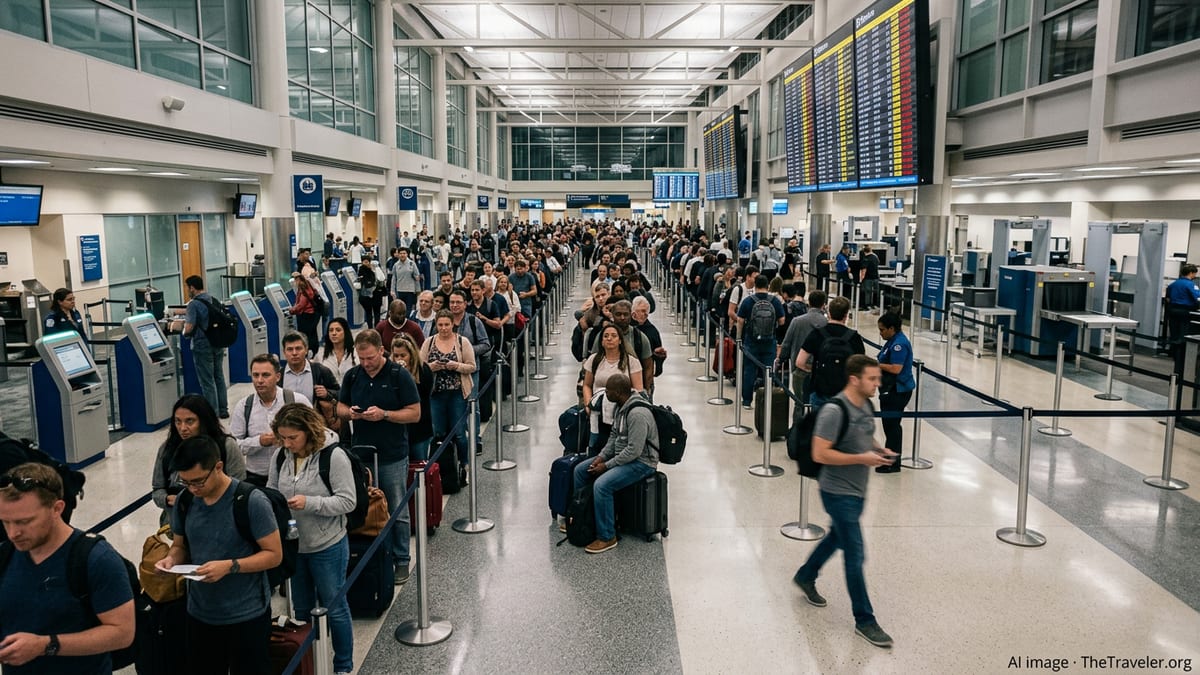
Why Japan Airlines flights are being delayed
Japan Airlines generally enjoys a strong on time reputation, but recent seasons have brought more disruption across its international and domestic network. Publicly available operational data and news coverage point to familiar culprits: severe weather across East Asia, typhoons in the Pacific, airport congestion at hubs such as Tokyo Haneda and Narita, and occasional technical or crew issues that ripple through tightly timed schedules.
Weather and air-traffic control restrictions remain the most common causes of delays, especially during Japan’s typhoon season and peak holiday travel periods. In those cases, the disruption is usually categorized as outside the carrier’s control, which limits the scope for cash compensation but may still trigger rebooking options or care such as hotel rooms and meal vouchers under certain regimes.
Delays caused by technical problems, aircraft rotation, staffing limitations or scheduling decisions are more likely to be classed as within the airline’s control. For flights covered by European Union rules or certain national regulations, this distinction is crucial. Under those systems, airline-caused problems can unlock fixed cash payments or stronger duty-of-care obligations, provided the delay meets specific thresholds.
For travelers departing the United States or Japan, the framework is different. There is no general legal right to cash compensation solely for a late arrival. Instead, the focus is on refunds when the airline cancels or significantly changes a flight schedule and the passenger chooses not to travel, along with voluntary policies Japan Airlines has filed in its customer service plan.
How Japan Airlines must treat delays on U.S. routes
On routes touching the United States, Japan Airlines is subject to U.S. Department of Transportation consumer rules as well as its own published customer service plan. Those documents emphasize timely information, rebooking and refunds in the event of major disruption, rather than automatic cash payouts for every delay.
Publicly available Japan Airlines policy states that when a flight is delayed or cancelled, the airline will notify customers of known changes, including delays of more than 30 minutes, through its website, airport displays and customer contact channels, typically within 30 minutes of learning of the disruption. For significant same day changes, airport agents are expected to assist with rebooking on the next available Japan Airlines service, subject to seat availability.
Under U.S. rules, passengers are generally entitled to a refund if a carrier cancels a flight or makes a significant schedule change and the traveler decides not to fly. Recent federal regulations define significant change benchmarks for domestic and international itineraries, and require airlines to process refunds within specific timeframes if the passenger declines rebooking or vouchers. However, if a traveler chooses to take the delayed flight, there is no broad legal right in the United States to additional cash compensation purely because of a late arrival.
Japan Airlines, like other carriers serving the U.S. market, sets its own commitments on whether it will provide hotel accommodation, meal vouchers or ground transport when delays are within its control. These promises are summarized on the U.S. government’s airline cancellation and delay dashboard, where travelers can compare what each airline offers when flights are disrupted for reasons under the carrier’s responsibility.
Extra rights on Japan Airlines flights covered by EU Regulation EC261
The picture looks different when a Japan Airlines flight is covered by European Union Regulation EC261, which applies to all departures from airports in the EU, Iceland, Norway and certain other associated territories, regardless of the airline’s nationality. Japan Airlines acknowledges in its own passenger information that it complies with these rules on flights leaving EU airports.
Under EC261, passengers whose flights are cancelled or significantly delayed may be entitled to three types of support: re-routing or a refund of the unused ticket, “right to care” in the form of meals, refreshments and hotel accommodation when necessary, and fixed cash compensation when specific criteria are met. For delays, case law has established that travelers who arrive at their final destination three hours or more later than scheduled can qualify for compensation, unless the airline can show the delay was caused by extraordinary circumstances that could not have been avoided even if all reasonable measures had been taken.
For long haul routes such as Europe to Japan, compensation can reach the highest standard EC261 amounts when the arrival delay crosses the three hour threshold and the cause is attributable to the carrier. That could include certain technical faults with the aircraft or operational problems, but not air traffic control strikes or severe weather. The regulation also requires airlines to offer meals, refreshments and, if necessary, hotel stays and transport between the hotel and airport while passengers wait.
Importantly, the regulation distinguishes between codeshare marketing and operating carriers. If a ticket was sold under a European airline’s code but operated by Japan Airlines on a flight departing the EU, EC261 still applies, and responsibility for paying compensation may fall on the operating carrier. Travelers need to track which flight actually flew, where it departed and when they reached their final destination to work out whether the regulation can be invoked.
What Japan Airlines offers when it cancels or significantly delays a flight
Japan Airlines lays out its approach to major disruptions in its irregular operations and involuntary reservation change policies. When a flight is cancelled or seriously delayed because of reasons attributed to the airline, the carrier indicates that it will rebook passengers on alternate Japan Airlines group services to reach their original destination, without additional fare, provided seats are available.
If the traveler decides not to travel because of the cancellation or substantial delay of a Japan Airlines operated flight, the airline states that it will refund the unused portion of the ticket. The precise amount returned can depend on the fare rules and whether part of the journey has already been flown, but in the case of an entirely unused ticket tied to a cancelled flight, the purchase price is generally refundable.
When hotel stays or meal vouchers are offered, these are usually discretionary benefits tied to the nature of the disruption and local regulations. For example, on certain international itineraries where a delay causes an unexpected overnight stay and is deemed within the airline’s responsibility, carriers often provide accommodation and transport to and from the hotel. On domestic and regional routes, particularly when weather is involved, support may be more limited and focus on getting travelers onto the next available departure.
Separate rules apply to missed connections on connecting itineraries booked under a single reservation. When a delay on an initial Japan Airlines segment causes a traveler to miss a later Japan Airlines connection, the carrier’s published information indicates that it will rebook the passenger to the final destination at no extra cost, subject to availability. Where onward connections involve partner airlines, rebooking options depend on interline agreements and the operating carrier’s own policies.
How to pursue Japan Airlines delay compensation in practice
Passengers seeking compensation or refunds after a Japan Airlines delay are encouraged by regulators and consumer advocates to start with the airline’s official channels. That typically means submitting a claim or feedback form through Japan Airlines customer support, including key details such as booking reference, flight number, travel dates, departure and arrival airports, the length of the delay at final destination and receipts for any out of pocket expenses they hope to recover.
Travelers flying from EU or associated airports can frame their request in terms of EC261 rights, specifying whether they are seeking a refund, fixed cash compensation, duty of care expenses, or all three. Documentation that shows the delay on arrival, such as boarding passes and screenshots of flight status, can support the claim. If Japan Airlines rejects or does not respond to an EC261 request, passengers may escalate to the relevant national enforcement body or an approved alternative dispute resolution scheme in the country of departure.
On U.S. routes, the focus is more often on refunds, vouchers and discretionary goodwill payments. If a Japan Airlines service is cancelled or significantly changed and the passenger elects not to travel, they can cite U.S. Department of Transportation refund rules when asking for the fare to be returned rather than accepting a credit. When travelers believe Japan Airlines has not applied its own customer service commitments, they can file a complaint with aviation consumer authorities, which track patterns of disruption and may take enforcement action in serious or repeated cases.
Specialist claim companies and legal services market themselves aggressively to passengers affected by delays on Japanese and other international carriers. Consumer organizations usually advise travelers to consider whether they really need third party help, since successful EC261 and refund requests often can be pursued directly at no cost beyond time and documentation. For many Japan Airlines passengers, understanding which rules apply to their route and keeping careful records of any disruption is still the most important step toward securing any compensation that may be available.