


More news on this day
Air travel in Kenya began edging back toward normal on September 1, 2026, after aviation workers called off a disruptive multi-day strike that had led to widespread delays, cancellations, and stranded passengers at major airports.
Get the latest news straight to your inbox!
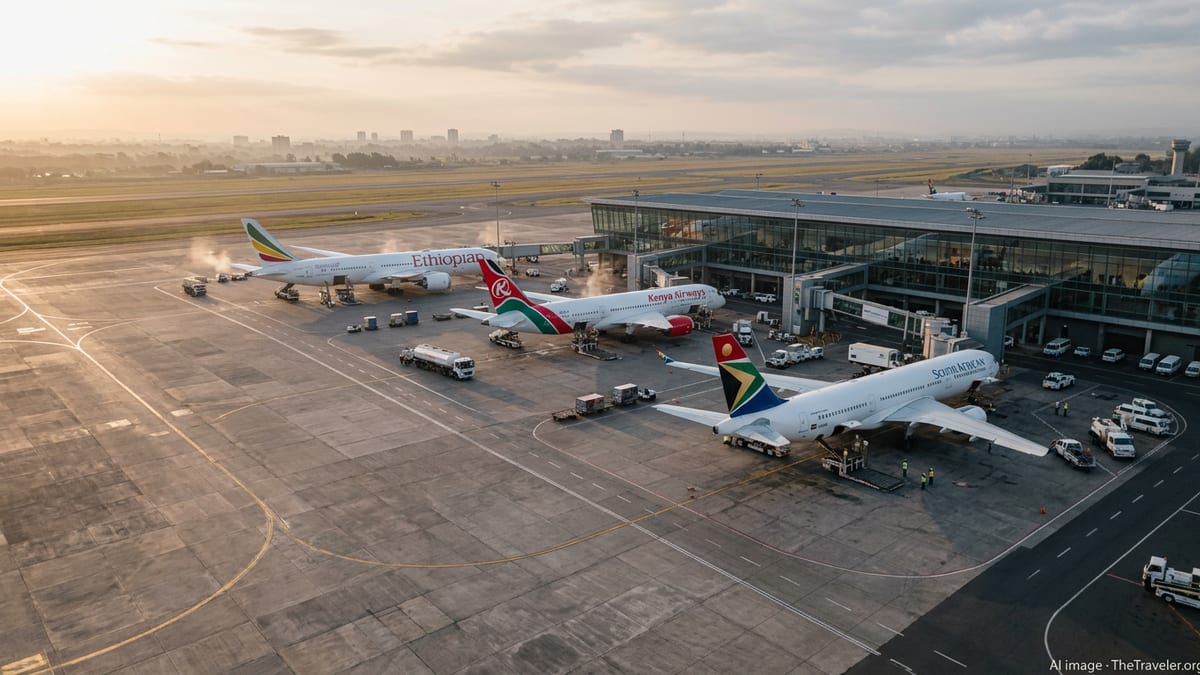
Strike Paralyzes Key Gateways and Disrupts Thousands of Journeys
Published coverage indicates that the walkout by members of the Kenya Aviation Workers Union (KAWU) significantly disrupted operations at Jomo Kenyatta International Airport (JKIA) in Nairobi and other airports across the country. For at least two days, air traffic slowed sharply, with check-in, baggage handling, and other support services heavily reduced or unavailable.
Reports from local and international media describe passengers facing extensive queues, missed connections, and overnight waits in terminals as flights were delayed or canceled. Some airlines adjusted schedules or rerouted aircraft in an effort to maintain limited service, but normal patterns of movement were heavily affected.
Available information shows that Kenya Airways and other carriers operating through JKIA reported cascading delays as grounded aircraft and displaced crews disrupted network planning. Analysts note that the concentration of international, regional, and domestic services at Nairobi meant even a short stoppage had outsized effects on travel across East and Central Africa.
Return-to-Work Agreement Brings Rapid De-escalation
According to publicly available information from Kenyan news outlets, the strike was called off after a Return-to-Work Agreement was reached between KAWU representatives and government and aviation-sector stakeholders. The deal, reported on September 1, followed negotiations that extended late into the night of August 31.
Reports indicate that under the agreement, aviation workers were instructed to resume duties immediately, enabling airport operators to restart suspended services and rebuild flight schedules. The arrangement is understood to address concerns raised by union members over employment terms, staff recruitment practices, and planned changes to management structures within Kenya’s aviation sector.
International wire services and regional media describe the agreement as a critical step in restoring confidence among both workers and travelers, while leaving space for further structured dialogue on unresolved issues. The swift shift from full work stoppage to gradual normalization is being cited as an example of how industrial disputes in essential transport sectors can be de-escalated once a framework for negotiation is in place.
Passengers Welcome Relief but Face Ongoing Travel Headaches
While the announcement that the strike had been suspended brought immediate relief, available reporting suggests that many passengers are likely to face continued disruption in the days ahead. Airlines now need time to reposition aircraft, reassign crews, and clear backlogs resulting from earlier cancellations and missed connections.
Travel data from recent labor disputes in other markets, such as cabin crew strikes reported in Canada, indicate that airlines often require several days to fully stabilize operations even after a work stoppage formally ends. Schedules can remain compressed, with residual delays and limited seat availability as carriers prioritize stranded travelers and rebooked itineraries.
Consumer advisories from previous aviation disruptions suggest that affected passengers typically benefit from closely monitoring airline notifications, confirming reissued tickets, and arriving early at airports where check-in and security processes may still be operating under strain. In Kenya’s case, published coverage notes that some airlines have been waiving change fees or offering flexible rebooking options to ease congestion and restore passenger confidence.
Labor Tensions Reflect Wider Pressures in Global Aviation
Commentary from regional and international aviation briefs places the Kenya strike within a broader pattern of labor tensions across the global air transport industry. Over the past two years, unions representing pilots, cabin crew, ground staff, and air traffic personnel in several regions have staged or threatened industrial action over wages, staffing levels, and working conditions as the sector recovers from the shocks of the pandemic and adapts to rising demand.
Analysts cited in published European and North American aviation reports point to common pressures that include higher living costs, intense post-pandemic workloads, and restructuring within airlines and airport authorities. These factors have contributed to a renewed willingness among aviation workers to use strikes as a bargaining tool, particularly during peak travel seasons when leverage is greatest.
Observers note that the Kenya dispute shares characteristics with recent strikes involving airline staff elsewhere, in which short but intense stoppages caused substantial disruption, followed by negotiated settlements and gradual restoration of services. The pattern underscores how closely modern air travel depends on specialized labor groups whose collective actions can quickly ripple across national and regional transport systems.
Focus Shifts to Recovery and Future Stability
With the strike now suspended, attention is turning to how quickly Kenya’s aviation sector can normalize and what safeguards may be put in place to minimize the impact of any future disputes. Media coverage indicates that airlines are working to restore full schedules and manage stranded passengers, while airport operators focus on clearing congestion in terminals and re-establishing routine operations.
Industry commentators suggest that the details of the Return-to-Work Agreement, once fully implemented, could influence longer-term labor relations in Kenya’s aviation industry. Commitments around consultation, staffing, and governance are expected to play a role in determining whether similar disruptions recur, particularly as air traffic in the region continues to grow.
For travelers, the end of the strike marks the start of a recovery period in which flexibility and clear communication will remain essential. While the immediate risk of large-scale cancellations has eased, the experience has underlined how quickly flight plans can be upended when industrial tensions reach the point of work stoppages, and how vital negotiated solutions are to keeping people and goods moving.
Reuters: Kenya aviation workers end strike that disrupted flights
Kenyans.co.ke: Aviation workers call off strike after three days of disruptions
AP News: Kenya aviation workers end strike that paralyzed airport operations