


More news on this day
Traffic on the vital Jammu–Srinagar National Highway has been severely disrupted after a fresh landslide and related slope failures left more than 1,700 trucks stranded, while a key bridge in Jammu and Kashmir’s Doda district has been closed for safety checks in the wake of recent flash floods and structural concerns.
Get the latest news straight to your inbox!
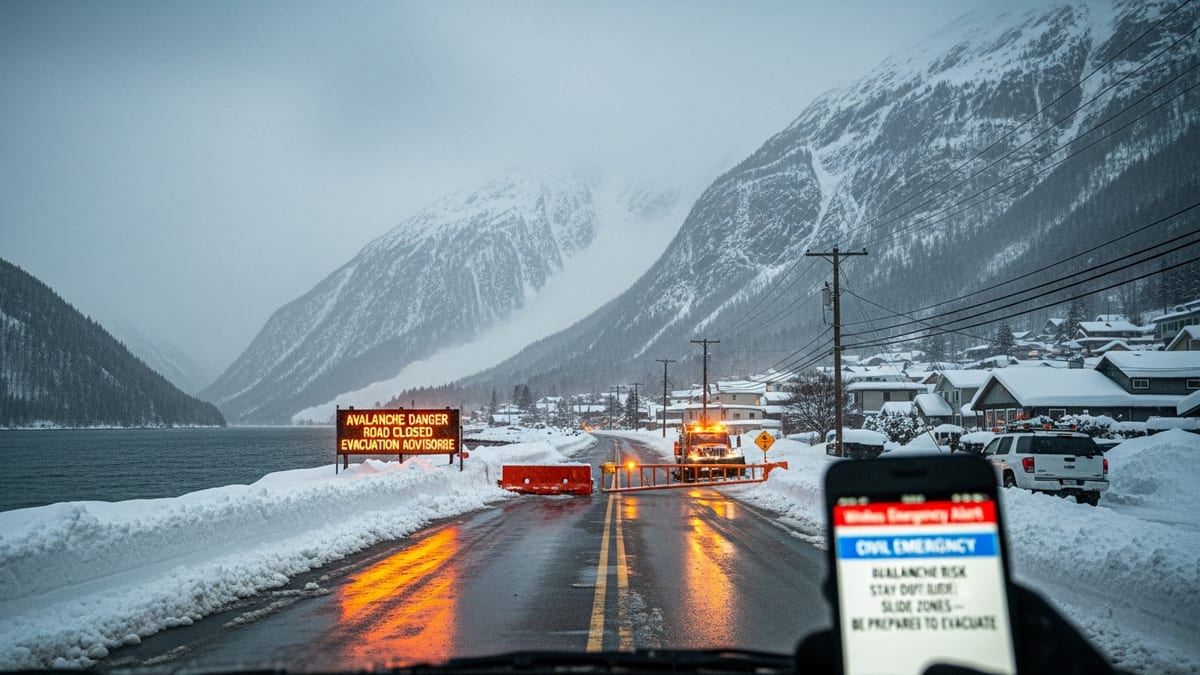
Fresh Blockage on NH-44 Adds to Weeklong Disruptions
Published coverage indicates that a new landslide early in the week blocked sections of National Highway 44, the main all-weather road link between Jammu and Srinagar, in the Udhampur and Ramban belts. The latest slide comes after days of torrential monsoon rain that had already narrowed traffic to intermittent single-lane movement at vulnerable points along the route.
Reports from regional outlets describe debris and boulders covering the carriageway near key choke points, forcing traffic regulators to halt both light and heavy vehicles for extended periods. The highway has seen repeated closures over the past fortnight due to a combination of landslides, shooting stones and erosion at cut slopes, underscoring how saturated hillsides are struggling to cope with sustained rainfall.
According to multiple news accounts, over 1,700 trucks are currently stranded at holding areas including Nagrota, Udhampur, Ramban and other designated yards on either side of the blocked stretches. Many of these vehicles are loaded with perishable goods, fuel and essential commodities headed for the Kashmir Valley, heightening concern about supply-chain delays if the closure persists.
Visuals carried by national and local media over recent days have shown long queues of freight vehicles parked bumper to bumper along the highway and in adjoining towns, with drivers waiting for debris clearance and fresh traffic advisories. The build-up has been aggravated by earlier weather-related stoppages, leaving convoys stacked up along the corridor.
Doda Bridge Closure Deepens Connectivity Worries
Parallel to the disruption on NH-44, authorities have ordered the closure of a key bridge in Doda district for detailed safety inspection, following reports of suspected cracks and stress in the structure. The decision follows a spell of intense rainfall and flash-flood events in the broader Chenab Valley, which have damaged roads and retaining walls at multiple locations in recent weeks.
Publicly available information indicates that the Doda bridge, which serves as a vital connector for local traffic and links onward routes toward Kishtwar and other interior areas, has been taken out of service as a precautionary measure. Structural engineers are reported to be examining possible damage from high river flows, scouring around piers and repeated loading during recent traffic surges.
Earlier this month, severe cloudbursts and flash floods in the upper reaches of Doda and neighboring districts triggered mudslides that buried sections of the Doda–Kishtwar highway and damaged nearby infrastructure. Those incidents disrupted movement of both residents and project vehicles associated with major hydropower schemes, and raised renewed questions about how resilient existing bridges and roads are to more frequent extreme weather events.
The temporary shutdown of the Doda bridge has effectively created another pinch point in the regional network at the same time that NH-44 is constrained, complicating detour options for local communities and long-distance travelers. For many residents, the combination of closures has meant longer journeys, higher transport costs and uncertainty over access to health care, markets and government services.
Stranded Cargo, Pilgrimages and Local Economies Hit
The standstill on the Jammu–Srinagar corridor is affecting more than freight logistics alone. Reports from mainstream and regional media note that organised pilgrimages across Jammu and Kashmir, including major yatras, had already been suspended due to earlier episodes of heavy rain, landslides and road damage. The renewed blockage of the highway has further delayed any potential resumption of large-scale religious travel.
For truckers and transport companies, the latest closure represents another blow in a season of weather-related interruptions. Many drivers are reportedly stuck in makeshift parking zones with limited amenities, incurring additional fuel, food and accommodation costs while vehicles sit idle. Small roadside businesses that depend on through-traffic, such as eateries and repair shops, are facing unpredictable demand as convoys stop and start according to shifting road conditions.
Fruit growers and traders relying on the highway to move produce from the Kashmir Valley to markets in the rest of India are also vulnerable to prolonged delays. Past closures have resulted in losses when consignments of apples and other perishable items were trapped along the route for several days, and current reports suggest similar concerns are resurfacing as the monsoon disrupts schedules.
Passenger movements have partly shifted to rail wherever possible. Public service announcements over the past week highlight efforts by Northern Railway to run special trains within Jammu and Kashmir to help clear the backlog of travelers stranded by repeated road closures. However, for freight and for many interior destinations not directly served by rail, NH-44 remains the primary artery, keeping pressure on road agencies to restore full connectivity quickly.
Monsoon Hazards Highlight Fragility of Himalayan Highways
The latest landslide and the Doda bridge closure are part of a broader pattern of monsoon-driven disruptions in the western Himalayas, where steep terrain, fragile geology and expanding infrastructure intersect. Recent analytical coverage of the Chenab Valley and Pir Panjal region has pointed to increasing episodes of flash floods, slope failures and road washouts during intense rain spells.
Specialists cited in public reports note that much of the current highway network in Jammu and Kashmir was built decades ago for lighter traffic volumes and a different climate baseline. Today, heavier freight loads, frequent hill cutting, and rapid construction near riverbanks have combined with more erratic rainfall to raise the risk profile of critical corridors like NH-44 and the Doda–Kishtwar road.
Policy discussions reflected in recent studies have stressed the need for improved slope stabilization, better drainage systems and more conservative design standards in landslide-prone stretches. Recommendations include wider use of protective galleries, reinforced retaining structures and real-time monitoring of vulnerable cuttings, as well as more systematic enforcement of construction norms around bridges and embankments.
The current situation, with more than 1,700 trucks immobilised alongside a precautionary bridge shutdown in Doda, offers another test case for these ideas. How quickly debris can be cleared, temporary support works completed and safe passage restored will likely inform future decisions on investment, maintenance priorities and emergency response protocols along one of India’s most strategic mountain highways.