


More news on this day
Australians planning overseas trips are being urged to factor in escalating flood risks, after deadly inundations in Nepal and China left scores dead, disrupted transport links and prompted updated government guidance for travellers.
Get the latest news straight to your inbox!
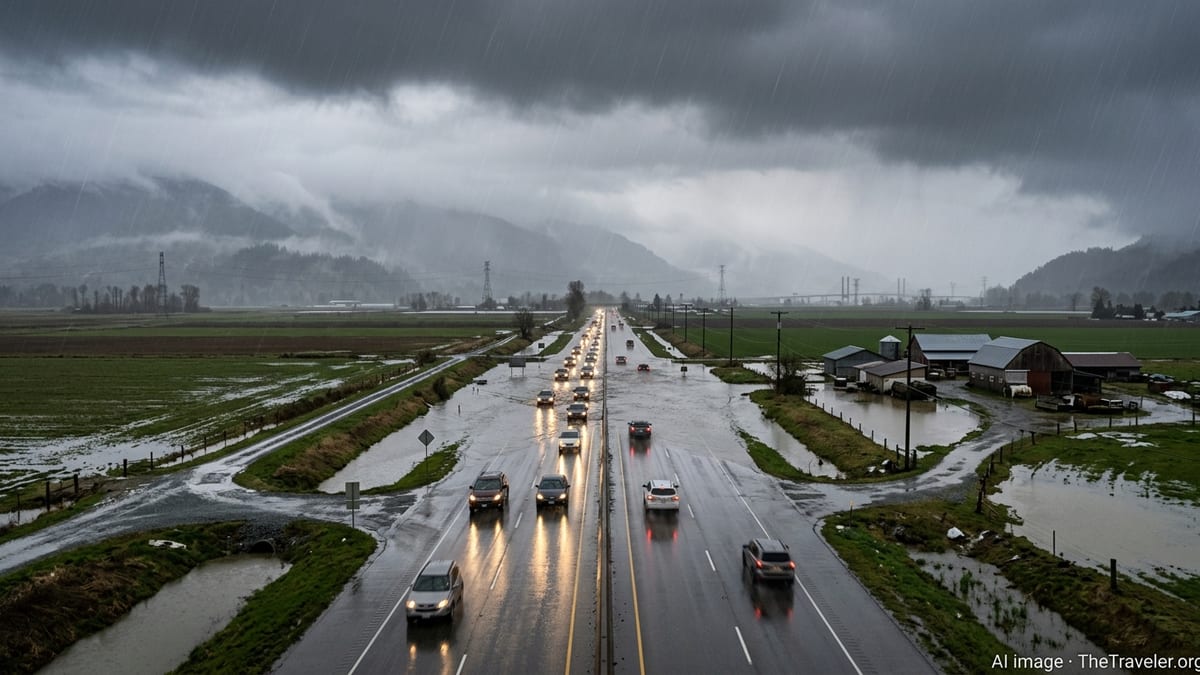
Deadly Nepal–China floods highlight rising risks for travellers
In late August 2026, severe flash flooding in northern Nepal and across the border into Tibet destroyed towns, cut off key roads and left large numbers of residents and visitors dead or missing, according to international news reports. Tourist hubs along river valleys and trekking routes were among the areas hit, with landslides and swollen rivers sweeping away buildings and vehicles.
Coverage from major broadcasters indicates that hundreds of tourists were initially unaccounted for across the affected region, including dozens of Australians who had been travelling on guided tours and adventure trips. Some have since made contact with family members, but search operations and efforts to confirm the whereabouts of others are still under way.
Publicly available information from the Australian Government’s crisis hub notes that a crisis response team has been deployed to support local authorities and humanitarian partners as they deal with the impact of the floods. The updates also confirm that travel advisories for Nepal and parts of China are under close review, reflecting ongoing disruption to infrastructure, accommodation and essential services.
For Australians with future bookings in the Himalayan region, these events underline how quickly conditions can change in mountainous and monsoon-affected areas at this time of year. Even destinations marketed as “dry-season trekking” locations can experience sudden downpours that trigger landslides, washed-out trails and extended power and communications outages.
Government advice: monitor Smartraveller and expect disruption
The Department of Foreign Affairs and Trade’s Smartraveller platform continues to emphasise that travel advisories are updated as new information emerges on major incidents such as floods, cyclones and landslides. Recent statements from ministers stress that Australians overseas should be prepared for serious and sometimes prolonged travel disruptions linked to natural disasters and wider regional instability.
While the precise wording of the advice varies by country, recent updates linked to the Nepal and China floods highlight the possibility of airport closures, cancelled flights, damaged roads and limited access to affected towns. Travellers are encouraged to register their presence where available, stay in regular contact with family and follow instructions from local emergency services.
Smartraveller guidance for popular destinations in Asia and Europe also points to the compounding effect of multiple risks, from heavy rain and river flooding to heatwaves and wildfires. Australians heading to mid-year or end-of-year holidays are advised to check for news and updates not only for their final destination but also for transit hubs and regional side-trips that may be exposed to extreme weather.
For travellers already on the road, publicly available information recommends maintaining a buffer of time around key travel legs, particularly where journeys rely on a combination of regional flights, long-distance buses and rail services that can all be affected by flooding. Having electronic and printed copies of key documents, including passports, visas and insurance details, is also highlighted as an important practical step if evacuation or rapid itinerary changes are required.
Insurance gaps exposed as extreme weather intensifies
Recent industry coverage in Australian travel media has drawn attention to gaps in travel insurance when trips are disrupted by severe weather or natural disasters. Articles focused on European holidays have already warned that some policies limit cover for trip changes once a known event, such as flooding or conflict, has been widely reported.
The same concerns apply to flood-affected destinations in Asia, where many Australians are booked on high-value itineraries involving trekking, river cruises and small group tours. If a river valley is declared unsafe or a key access road is cut, travellers may find that certain non-refundable components of their holiday, such as pre-paid lodges or excursions, are not automatically reimbursed unless their policy explicitly covers natural disaster disruption.
Insurance product disclosure statements typically set out how claims related to natural catastrophes will be assessed, including what happens if an airline cancels flights, a hotel is closed due to damage, or a government issues a “do not travel” level of advice after a booking is made. Travel industry reports recommend that Australians check these sections closely, particularly when booking for high-risk seasons such as the Asian monsoon or Europe’s late-summer storm period.
Consumers are also being reminded to retain receipts, booking confirmations and any written communication from airlines, tour operators and accommodation providers if floods disrupt their plans. These records can be critical when lodging claims, especially where itineraries involve multiple carriers or independently booked segments that fall under different policy conditions.
Where Aussies are travelling and why floods matter now
Passenger data and industry commentary suggest that Australians are increasingly looking to nearby destinations such as New Zealand, China and other parts of the Asia-Pacific, with traffic through major regional hubs growing compared with the previous year. This shift has coincided with a series of high-impact weather events, including cyclones and heavy rainfall systems, that have caused localised but severe flooding in both urban and remote areas.
In March 2026, for example, Western Australia experienced extensive flooding and infrastructure damage linked to Severe Tropical Cyclone Narelle, an event that disrupted tourism within Australia and required significant recovery support. International catastrophe reports for the first quarter of 2026 note that flooding has been a key driver of insured losses across several regions, reinforcing broader findings that climate variability is amplifying rainfall extremes.
For Australians flying to flood-prone destinations, this context means that once-routine seasonal showers can now translate into more frequent and intense disruption. Mountain gateways, river cruise ports and coastal resort belts may all face temporary closures with little warning. Local authorities can impose evacuations or access restrictions at short notice if landslide or flash-flood risk escalates.
Travel analysts point out that while aviation networks are generally resilient, even short-term closures of regional airports or key transit hubs can quickly cascade into backlogs, missed connections and extended delays. Travellers with tightly packed itineraries, especially those connecting to cruises or remote lodges on fixed departure schedules, are particularly exposed if a single flooded runway or blocked highway interrupts the chain.
Practical steps for flood-aware trip planning
Travel safety organisations and government advisories are collectively emphasising preparation rather than cancellation as the primary response to rising flood risk. For Australians with upcoming trips, that starts with checking recent weather patterns and seasonal outlooks for each destination, including regional areas beyond the main cities that may be part of multi-day tours.
Before departure, travellers can review local emergency management arrangements, such as flood warnings, evacuation routes and safe assembly areas, using information from national meteorological agencies and civil protection bodies. Understanding how local alerts are communicated, whether by SMS, siren, broadcast media or smartphone apps, can help visitors react quickly if conditions deteriorate.
On the ground, simple adjustments can reduce vulnerability, such as avoiding accommodation directly adjacent to rivers or on unstable hillsides during peak rainy periods, and allowing extra travel time when moving through mountainous or low-lying regions. Many expert briefings also encourage travellers to carry a small “grab bag” with essentials like medication, a power bank, water, a change of clothes and key documents in a waterproof pouch in case rapid evacuation is needed.
For tour operators and travel agents serving the Australian market, recent floods provide a prompt to review contingency planning, client communication protocols and refund or rebooking policies. Clearly communicating how itineraries may change in response to weather alerts, and what support is available if services are cancelled, can help travellers make informed decisions and maintain confidence in booking trips to destinations where flood risk is being actively managed rather than ignored.