


More news on this day
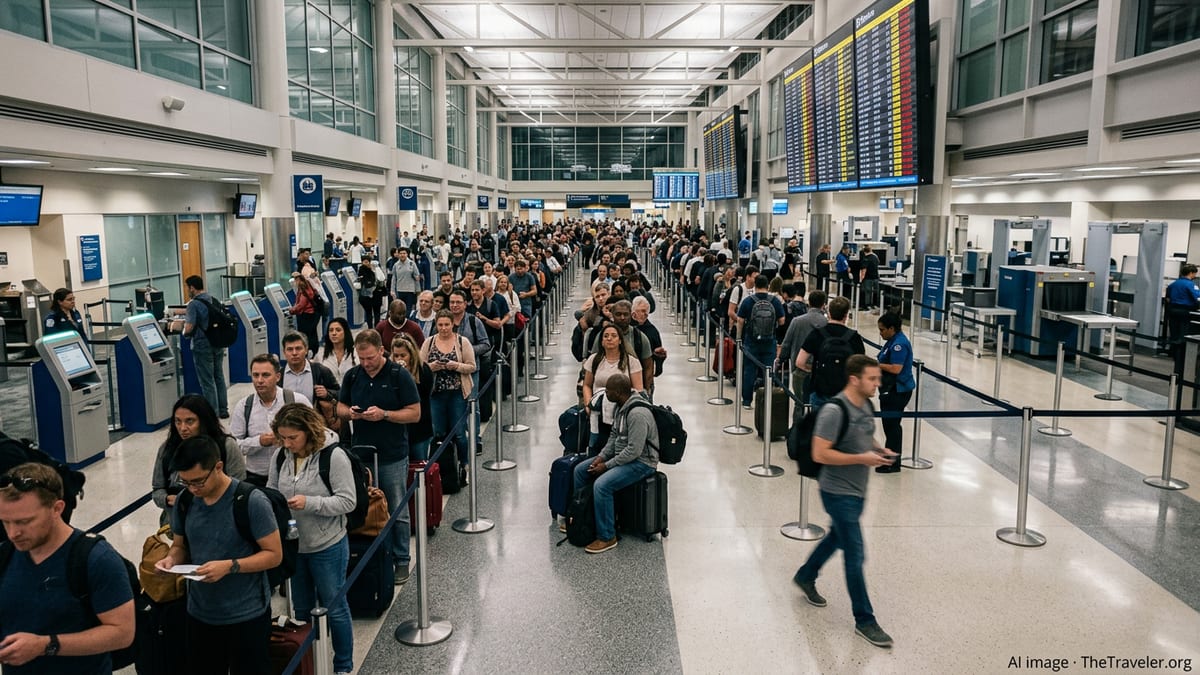
Boston Logan International Airport descended into gridlock Friday as a rare nationwide Federal Aviation Administration ground stop halted departures, stacked up delays and left travelers camped out in terminals late into the night.
Get the latest news straight to your inbox!
Nationwide outage ripples through Boston
The disruption at Logan unfolded as part of a sweeping communication system failure that led the FAA to order a nationwide halt to most departures on November 13. Publicly available information indicates that the outage, tied to the introduction of new technology into the air traffic control network, forced officials to slow or stop traffic while backup systems were put in place.
According to published coverage, the ground stop began in the afternoon and lasted for hours, affecting major hubs across the United States. At Logan, a Massport spokesperson confirmed to local media that flights in and out of the airport were grounded, turning what had already been a busy Friday into a scene of widespread disruption for departing and arriving passengers.
Data from independent flight tracking services shows that by early evening thousands of flights nationwide had been delayed or canceled, with Logan among the affected airports. While some transatlantic services were eventually able to depart using contingency procedures, domestic schedules through Boston remained severely constrained well into the night.
Delays stack up and terminals fill
Local coverage from Boston outlets described long lines curling through Logan’s terminals as passengers waited to rebook flights, reach ticket counters and clear security screening for departures that might or might not leave. Video from Terminal A published by the Boston Globe showed crowds clustered around departure boards as delay notices stacked up and gate areas overflowed with stranded travelers.
FAA operational logs and delay monitoring tools indicated that Logan was placed under a ground delay program tied to airport volume Friday afternoon, with average waits measured in dozens of minutes, compounding the national freeze on departures. Separate FAA advisories noted additional departure and arrival delays linked to weather and congestion in the Northeast, further complicating efforts to restart service once the communication outage began to ease.
While the nationwide ground stop was lifted later in the evening, industry data suggests that many Boston flights remained severely delayed or canceled because aircraft and crews were no longer in the right place. Travelers aiming for evening departures found themselves pushed to overnight or next-morning options, or routed through alternative hubs with limited certainty that connections would operate as planned.
Stranded passengers face limited options
Accounts shared publicly on social media and online forums described passengers at Logan weighing whether to seek hotel rooms in Boston, stay at the airport in hopes of a late-night departure, or abandon weekend plans entirely. Some travelers reported sitting on aircraft at the gate or on nearby taxiways while the national restrictions remained in place, unable to take off but not yet permitted to disembark because gate space was constrained.
Others detailed difficulty accessing customer service by phone or app as call centers and digital channels became swamped. Airline-specific communities online indicated that rebooking into Saturday flights was complicated by limited remaining seat availability at the start of the busy late November travel period, especially on popular domestic routes from Boston to New York, Washington and Midwestern hubs.
Published travel-industry analysis noted that disruptions of this scale often strand passengers far from home as crews exceed legal duty-time limits and equipment is scattered around the system. In Boston, that meant some travelers arriving on the final international services of the evening discovered that their onward domestic legs had been canceled, forcing overnight stays or long-haul ground transport to reach their final destinations.
Compounding factors at Logan
The November 13 chaos landed on top of a challenging period for Logan operations. FAA statistics compiled over the weeks leading up to the outage show multiple ground delay programs and intermittent departure slowdowns tied to runway work, weather and high traffic volume at New England’s largest airport. One monitoring site recorded several hours-long delay programs at Logan this autumn with average waits of around an hour.
Construction activity has also been reshaping the airfield. Local reporting indicates that Runway 27, a key east-west runway, only recently returned to service following months of partial closure for installation of an engineered safety overrun system. While the runway had reopened earlier on Friday, the broader airspace constraints and system-wide outage meant the additional capacity arrived just as traffic elsewhere was grinding to a halt.
Weather across the Northeast in recent days has further narrowed the margin for error. Regional television coverage documented earlier rounds of delays at Logan and other airports tied to low ceilings and stormy conditions, a pattern that left schedules more vulnerable when the communication failure struck.
What travelers through Boston should expect next
With the national ground stop lifted and the FAA reporting that departures can resume, attention at Logan is shifting to how quickly airlines can untangle the backlog. Operational forecasts for the weekend suggest that Sunday services could operate closer to normal, but schedules on Saturday are likely to bear the brunt of aircraft and crew imbalances created on Friday.
Historical performance statistics for Logan show that in the ten days leading up to this week, average departure delays were under half an hour and cancellations under 2 percent. Travel analysts caution that those figures are likely to spike in the short term as carriers consolidate lightly booked flights, reposition planes into Boston and work through stranded passenger lists.
Transportation agencies and Massport guidance consistently advise travelers headed to Logan after major disruptions to allow extra time both for getting to the airport and for passing through security. With large numbers of passengers rebooked into morning and midday departures, road approaches to the terminals and check-in areas may remain unusually busy even once the immediate system shock from Friday’s outage has passed.