


More news on this day
A viral passenger video describing the experience of being stranded during a recent nationwide ground stop in the United States is drawing renewed attention to how quickly air travel can unravel when departures are frozen across multiple airports.
Get the latest news straight to your inbox!
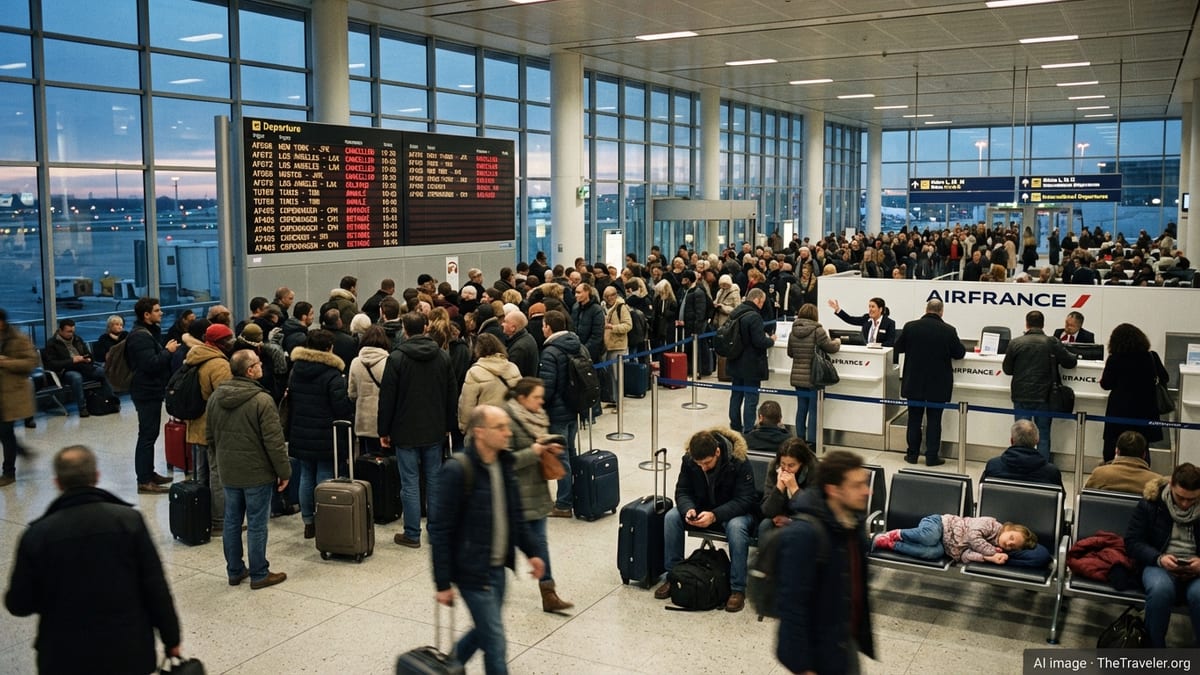
Passenger Perspective From the Tarmac
In the video highlighted by ABC News, a traveler recounts being caught aboard a parked aircraft while a ground stop halted all departures. The clip, recorded from inside the cabin, shows passengers waiting as flight crew relay limited information from the cockpit. The footage captures the confusion that can surface when aircraft are ready to push back but airport departures are temporarily suspended.
Publicly available coverage indicates that the ground stop affected multiple flights scheduled to depart within a narrow window, leaving aircraft queued at gates and on taxiways. For the passenger who filmed the video, the disruption meant an extended wait on board before the airline could determine whether the flight would depart, return to the gate, or face cancellation.
The incident underscores how ground stops, while relatively rare in most travelers’ experience, can immediately change the atmosphere on board. Cabin announcements shift from routine departure briefings to cautious updates, and travelers suddenly confront the possibility of missed connections, delayed hotel arrivals, and disrupted plans in onward destinations.
The video has resonated with many viewers because it mirrors a familiar anxiety: once the aircraft door closes, passengers depend entirely on the information that trickles from airline operations and air traffic control to the flight deck and then into the cabin.
What a Ground Stop Actually Means for Travelers
According to publicly available Federal Aviation Administration guidance, a ground stop is a traffic management initiative that slows or halts departures from one or more airports for safety or capacity reasons. This tool may be used in response to severe weather, staffing constraints, major equipment failures, or large-scale system outages affecting navigation or flight planning.
For passengers, the practical effects unfold in several stages. Airlines may initially hold aircraft at gates while awaiting revised departure times. If the ground stop continues, carriers begin reshuffling aircraft and crews, which can lead to rolling delays as schedule disruptions ripple through the network. In more prolonged situations, airlines may cancel flights altogether rather than operate them excessively late or without available crew on the other end.
Travelers can experience this as a series of short, tentative updates. Departure boards often shift in increments of minutes or small blocks of time as new air traffic information flows to airline operations centers. The stranded passenger’s video illustrates this incremental uncertainty, with the cabin mood changing as the waiting time stretches and the departure window repeatedly moves.
Ground stops also affect aircraft that have not yet boarded. Check in times, boarding announcements, and even security checkpoint lines may slow as airlines attempt to meter passengers into gate areas, particularly when space becomes limited by delayed flights already occupying seats and jet bridges.
Communication Gaps Add to Passenger Frustration
Coverage of the ABC News video has drawn attention to communication practices during irregular operations. Passengers in the clip describe feeling in the dark about the underlying reasons for the halt in departures, receiving only broad statements that a ground stop was in effect and that more details would follow.
Publicly available airline customer service commitments emphasize timely updates, but the reality inside the cabin can be more constrained. Flight crews typically receive brief operational messages from dispatch and air traffic control, and may not have broader context beyond the fact that all departures from a region or for a particular route are paused.
This information gap can magnify stress for travelers attempting to make connections or international onward flights. Without clear estimates, passengers have limited ability to rebook through mobile apps or customer service channels before seats on alternative flights fill up. The stranded passenger’s account highlights this scramble, as fellow travelers begin checking their itineraries on phones and debating whether to remain on board or seek different routing.
The episode is prompting renewed discussion among frequent travelers and consumer advocates about how airlines can provide more transparent, plain-language explanations of operational disruptions, even when the underlying cause stems from air traffic management or third-party systems outside the carrier’s direct control.
Planning Strategies for Future Ground Stops
While ground stops are unpredictable by nature, publicly available travel guidance points to several steps passengers can take to better manage the impact of such disruptions. Booking longer connection times, especially in seasons prone to severe weather, can provide a buffer when departures are temporarily frozen. Travelers connecting to last flights of the day face higher risks of misconnection if delays cascade.
Many airlines encourage passengers to monitor their flights through official mobile applications, which can sometimes display schedule changes before they are announced at the gate. During a ground stop, these tools may reflect revised departure windows and give travelers a clearer view of rebooking options, same-day changes, or standby lists on alternative routes.
Travel insurance policies that specifically include coverage for weather-related or operational delays can also provide financial protection if an extended ground stop leads to missed tours, prepaid hotel nights, or additional accommodation and meal costs. Publicly available policy summaries show that coverage terms vary widely, so travelers are advised to review conditions and documentation requirements before purchasing.
The viral video is serving as a reminder that even routine domestic trips can be disrupted by decisions made far beyond the airport terminal. For many travelers, that knowledge is shaping new habits, from packing essential medications and chargers in carry-on bags to building more flexibility into itineraries where possible.
Ongoing Debate Over System Resilience
The experience described by the stranded passenger comes amid a broader national conversation about the resilience of the U.S. air traffic system. Recent years have seen several high-profile disruptions tied to technology outages, staffing limits, and major weather events, all of which have led to temporary pauses in departures and significant knock-on delays.
Publicly available government reviews and industry analyses continue to examine how investment in new air traffic control technology, better redundancy for critical systems, and expanded staffing could reduce the frequency and scale of ground stops. Consumer groups, meanwhile, focus on passenger-facing measures such as clearer rights to refunds, more consistent delay notifications, and expanded fee-free rebooking during large-scale operational disruptions.
The ABC News video has entered that conversation as a vivid firsthand window into what those systemic issues look like from seat 23A or 14F. Rather than charts or policy statements, the footage centers on the lived reality of watching daylight fade on the tarmac while vacation plans, family visits, and business meetings remain uncertain.
For travelers following the story, the images and account are a stark illustration of how quickly modern air travel can slow to a standstill, and how heavily a single operational decision in a control center can weigh on hundreds of individual journeys.