


More news on this day
Malaysia Airlines reports that its pilots have cleared recent drug screening, with the carrier now preparing to expand mandatory tests to cabin crew after a Malaysian pilot was arrested in Indonesia in a high-profile narcotics case.
Get the latest news straight to your inbox!
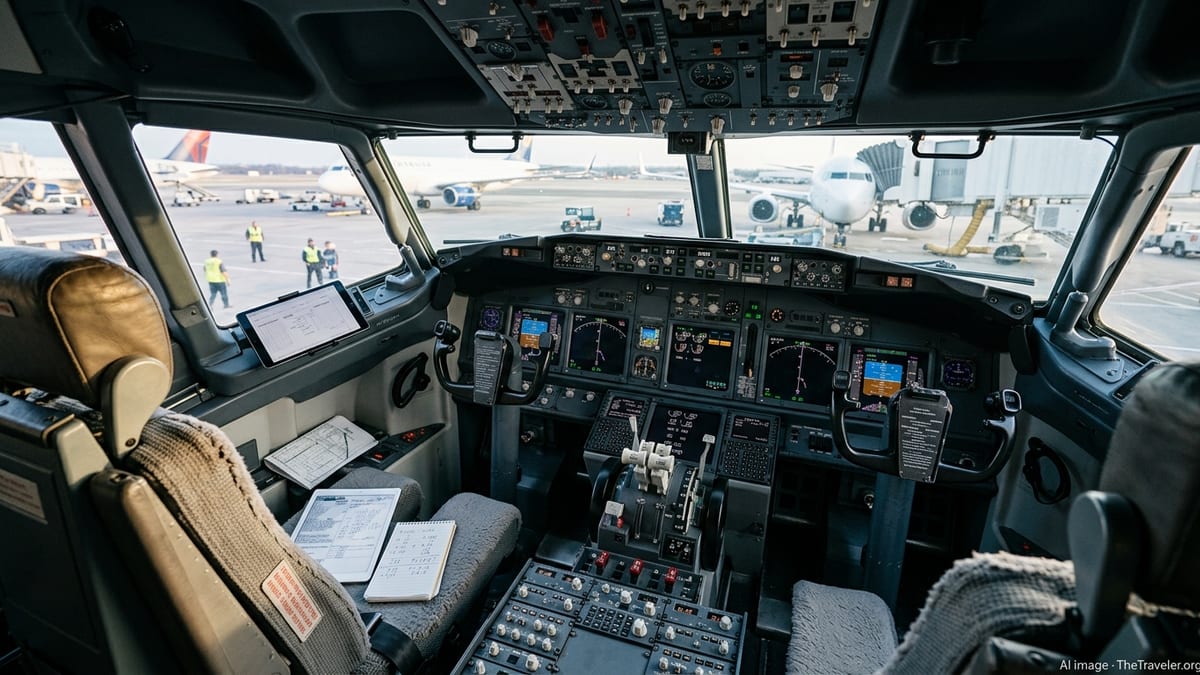
Carrier moves to contain fallout from Jakarta drugs arrest
According to published coverage, Malaysia Airlines has been under intense scrutiny since one of its pilots was detained at Soekarno Hatta International Airport near Jakarta with a large quantity of ecstasy tablets discovered in his luggage. Indonesian authorities have alleged that the man, a serving pilot with the national carrier, attempted to carry tens of thousands of pills through customs while operating a commercial flight rotation between Kuala Lumpur and Jakarta.
The case has raised questions about airline oversight, security screening at Kuala Lumpur International Airport and the effectiveness of existing drug testing regimes for aviation personnel. Public reporting indicates that the pilot had passed routine medical and drug checks required for flight crew prior to the incident, deepening concerns about how substance abuse or trafficking risks might be detected between scheduled screenings.
Malaysia Airlines has responded with a series of internal reviews and additional checks aimed at reinforcing its safety culture and reassuring passengers that flight operations remain secure. The company has stressed in public statements that safety remains its highest priority and that it is working closely within national regulatory frameworks to strengthen its procedures.
Pilots complete new round of checks, no positive results reported
In the weeks following the arrest, publicly available information shows that the airline ordered a new round of drug screening for its pilots. Reports indicate that all tested flight deck crew have now cleared those checks, with no positive results disclosed. The carrier has presented this outcome as evidence that the Jakarta case appears to be an isolated incident rather than a sign of a broader pattern among its cockpit crews.
Regulatory documents and previous accident investigation reports involving Malaysia Airlines flights describe pilots as subject to periodic medical examinations, licence renewals and fitness checks, which include screening for substance abuse where required. Those records show that flight crew in past events were assessed as medically fit, adequately rested and free of drugs and alcohol at the time of operation, underscoring that the system has historically focused on recurrent compliance over the course of a pilot’s career.
Industry observers note that the new screening sweep reflects a familiar pattern after serious allegations involving air crew, where operators move quickly to demonstrate that existing staff are fit to fly. For Malaysia Airlines, which has experienced significant crises in the past decade, revalidating its pilots’ status has been seen as an important step in stabilising public confidence and meeting regulatory expectations.
Cabin crew next in line as testing regime widens
Company statements cited in local media indicate that attention is now turning to cabin crew, with Malaysia Airlines preparing to extend mandatory drug checks across its wider frontline workforce. The plan, as described in published coverage, is to roll out screening for flight attendants in stages, taking into account operational requirements and laboratory capacity.
Cabin crew already operate under strict medical and conduct standards, and many airlines maintain policies that allow for random drug and alcohol testing, particularly after incidents or where impairment is suspected. The difference in the current Malaysia Airlines response lies in the scale and timing of the programme, which is being launched as a systemwide initiative in the immediate aftermath of a high-profile enforcement case.
Travel industry analysts say the expansion of testing reflects evolving expectations around safety in commercial aviation, where passengers assume that all crew members involved in their journey, not only pilots, are regularly monitored for substance use. As tests for cabin crew are phased in, Malaysia Airlines is expected to refine internal guidance on scheduling, confidentiality and follow up procedures in cases where staff return non negative results.
Border security and crew screening under renewed scrutiny
The Jakarta arrest has also triggered wider debate about the interface between airline oversight and state border controls. Publicly available reports suggest that the detained pilot cleared outbound procedures at Kuala Lumpur before being intercepted by Indonesian customs officials, leading to questions over how crew members are screened when they use dedicated staff lanes at airports.
Security specialists consulted in media coverage have pointed to a long standing tension between operational efficiency and rigorous inspection of aviation staff. Many airports offer streamlined channels for crew in order to keep flight schedules on time, which can create opportunities for individuals to exploit trust in their professional status. Commentators note that the alleged use of a bottle of urine to defeat drug testing, referenced in some reports on the Jakarta case, illustrates the lengths to which determined offenders may go to avoid detection.
In Malaysia, the incident has prompted calls for closer coordination between aviation regulators, customs agencies and airport operators, including more consistent checks on crew baggage and more frequent drug screening for safety critical personnel. While any new measures would need to balance security with the practical realities of airline operations, observers say the Jakarta case has narrowed the space for highly permissive procedures at crew checkpoints.
Implications for passenger confidence and regional aviation
For travelers, the immediate question is whether the incident changes the risk profile of flying with Malaysia Airlines or on regional routes in Southeast Asia. Aviation safety experts quoted in regional coverage have generally emphasised that modern commercial flying remains statistically one of the safest forms of transport, and that incidents involving crew and narcotics are comparatively rare compared with overall traffic volumes.
Nevertheless, perceptions matter in the travel market, and episodes that link airline staff with serious criminal allegations can influence booking decisions, at least in the short term. Analysts suggest that Malaysia Airlines will need to communicate clearly about its enhanced testing regime, internal disciplinary processes and cooperation with regulators if it is to reassure both domestic and international passengers.
The case is also being watched across Asia as other carriers and aviation authorities assess whether their own drug screening policies for crew are sufficient. Some jurisdictions have already tightened random testing requirements and enforcement procedures in recent years. The visibility of the Jakarta arrest, and the subsequent decision by Malaysia Airlines to extend testing from pilots to cabin crew, is likely to feed into ongoing policy discussions about how best to safeguard the integrity of airline operations in a region where air travel demand continues to grow.