


More news on this day
Malaysia Airlines has introduced mandatory drug testing for its pilots following an internal safety review, marking a significant tightening of crew fitness standards at the flag carrier and drawing renewed attention to how airlines in Southeast Asia manage substance risk in the cockpit.
Get the latest news straight to your inbox!
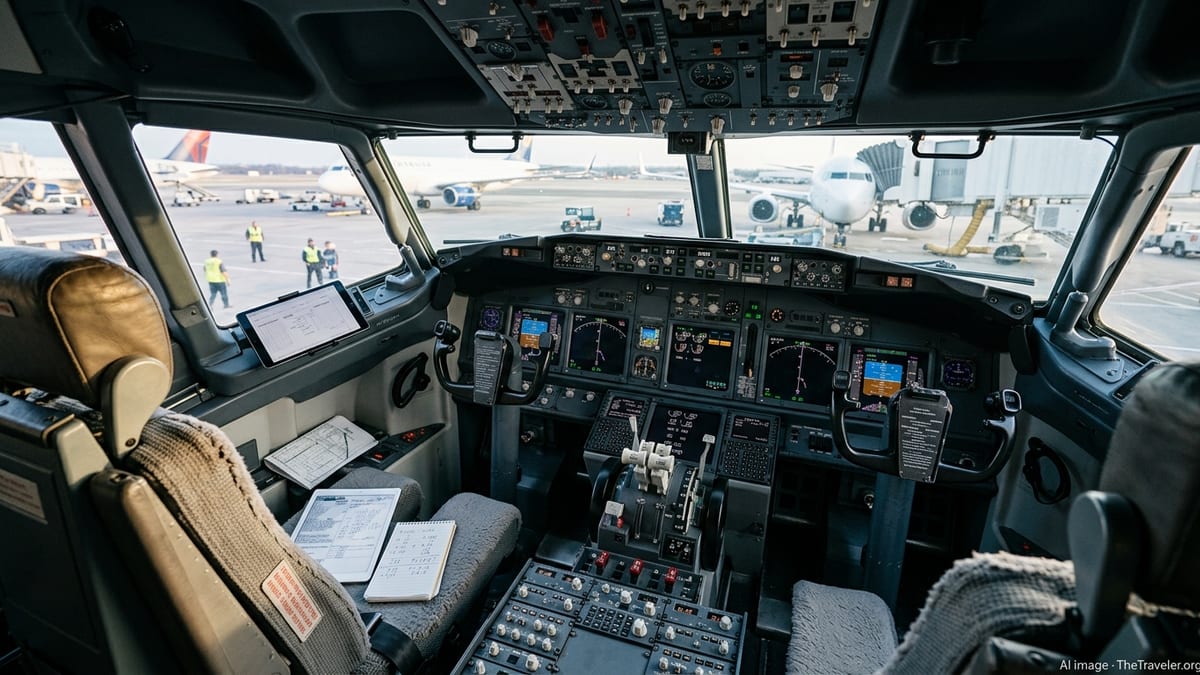
New Mandatory Testing Framework Following Internal Review
According to publicly available information on the airline’s updated safety framework, Malaysia Airlines is moving from selective and ad hoc screening toward a structured drug testing regime that applies to all flight crew. The program is framed as part of a wider effort by the Malaysia Aviation Group to reinforce its safety culture and reassure regulators and passengers in the wake of heightened concern about pilot conduct.
Published coverage indicates that the review examined both existing medical screening and operational oversight, concluding that systematic, randomized testing was necessary to close gaps between policy and practice. The airline’s new approach is understood to include pre-employment screening, scheduled periodic tests linked to medical certification, and unannounced checks targeted at flight and standby crew.
The shift comes as aviation authorities worldwide continue to emphasize human performance risks alongside technical reliability. In Malaysia, regulators have been refining medical and licensing requirements for pilots, introducing updated guidance on medical certification, proficiency checks, and operator alcohol and drug testing programs that airlines are expected to implement consistently.
Industry analysts note that the move by Malaysia Airlines aligns the carrier more closely with international norms in North America and Europe, where drug and alcohol testing of safety-sensitive staff is both routine and tightly audited. For travelers, the new policy is being presented as part of a broader commitment to transparent safety management rather than an isolated reaction to any single incident.
Context of Regional Scrutiny on Pilot Conduct
The decision to formalize mandatory testing comes against a backdrop of growing public attention to pilot behavior in the region. Recent reports of drug-related arrests involving individual Malaysian pilots abroad have fueled discussion among travelers and aviation observers about how effectively airlines monitor substance use among cockpit crew.
Social media discussion and local news coverage have highlighted public concern over how a pilot could allegedly clear preflight checks while later being detained in a neighboring country with large quantities of illegal drugs. Commentators have questioned the robustness of existing screening practices and the level of coordination between airline medical programs, airport security, and border agencies.
While such cases remain isolated, safety specialists stress that the reputational impact on an airline can be significant even when flights themselves remain incident free. A single high-profile arrest or disciplinary case involving a crew member can prompt customers to reassess their perception of risk, particularly on long-haul journeys where trust in the crew is paramount.
By codifying mandatory testing, Malaysia Airlines appears intent on demonstrating that pilot supervision extends beyond initial hiring and periodic simulator checks. The new policy is positioned as part of a continuous oversight loop that includes background vetting, medical evaluations, peer reporting channels, and the ability to remove crew from duty swiftly if test results or behavioral indicators raise concern.
Integration With Existing Safety and Support Programs
Malaysia Aviation Group has already introduced peer support initiatives designed to encourage pilots to seek confidential help for mental health and wellbeing issues, including those that may intersect with substance use. Publicly available presentations on these programs show that they draw on international best practices and are guided by regulatory material that references operator alcohol and drug testing requirements.
Industry observers suggest that Malaysia Airlines is likely to integrate the new testing requirements with these peer support structures rather than treating them as a purely punitive tool. In practical terms, this can mean that a non-negative test result or self-disclosure may trigger both medical evaluation and access to counseling or rehabilitation options, depending on regulatory guidelines and company policy.
Such an approach reflects wider trends in aviation, where regulators and airlines are attempting to balance strict enforcement with a just culture that encourages early reporting of problems. Randomized testing combined with supportive pathways is viewed by many safety experts as more effective than relying solely on disciplinary action after an incident has occurred.
For pilots, the introduction of mandatory testing is likely to mean closer scrutiny of lifestyle choices, travel patterns, and use of prescription or over-the-counter medication that could affect test outcomes. Clear internal communication and guidance on acceptable substances, reporting obligations, and appeal processes will be critical to ensuring that the system is regarded as fair and predictable.
Implications for Passengers and the Wider Aviation Market
For passengers choosing between carriers in Southeast Asia, more visible disclosure of safety measures can be a differentiator, particularly among frequent flyers and corporate travel managers. Malaysia Airlines’ decision to publicize stricter testing is likely aimed at strengthening traveler confidence at a time when competition from low-cost and premium regional rivals is intense.
Travel industry analysts point out that airlines that voluntarily raise their safety bar can influence peers and regulators, leading to broader industry shifts. As Malaysia’s aviation authorities continue to revise licensing and medical standards, national carriers and low-cost operators may face pressure to match or exceed Malaysia Airlines’ measures, especially on international routes where partners and codeshare allies expect demonstrable safety performance.
For global travelers, the immediate impact will be largely invisible, as testing typically occurs behind the scenes before or between duty periods. However, over time, a more robust testing regime could contribute to reduced operational disruptions linked to crew fitness issues, fewer last-minute roster changes, and a stronger overall safety record.
From a policy perspective, the development reinforces the notion that modern aviation safety extends beyond aircraft technology and air traffic control. As Malaysia Airlines embeds mandatory drug testing into its standard operations, the carrier is signaling that pilot wellbeing, behavior, and compliance with strict substance rules are central to its brand and essential to sustaining public trust in long-haul and regional travel.