


More news on this day
The Middle East’s hotel construction pipeline has reached a new all-time high of 771 projects with 188,960 rooms at the end of the third quarter of 2026, according to Lodging Econometrics’ latest Middle East Construction Pipeline Trend Report, underscoring how Saudi Arabia and Dubai are reshaping the region’s future hotel landscape.
Get the latest news straight to your inbox!
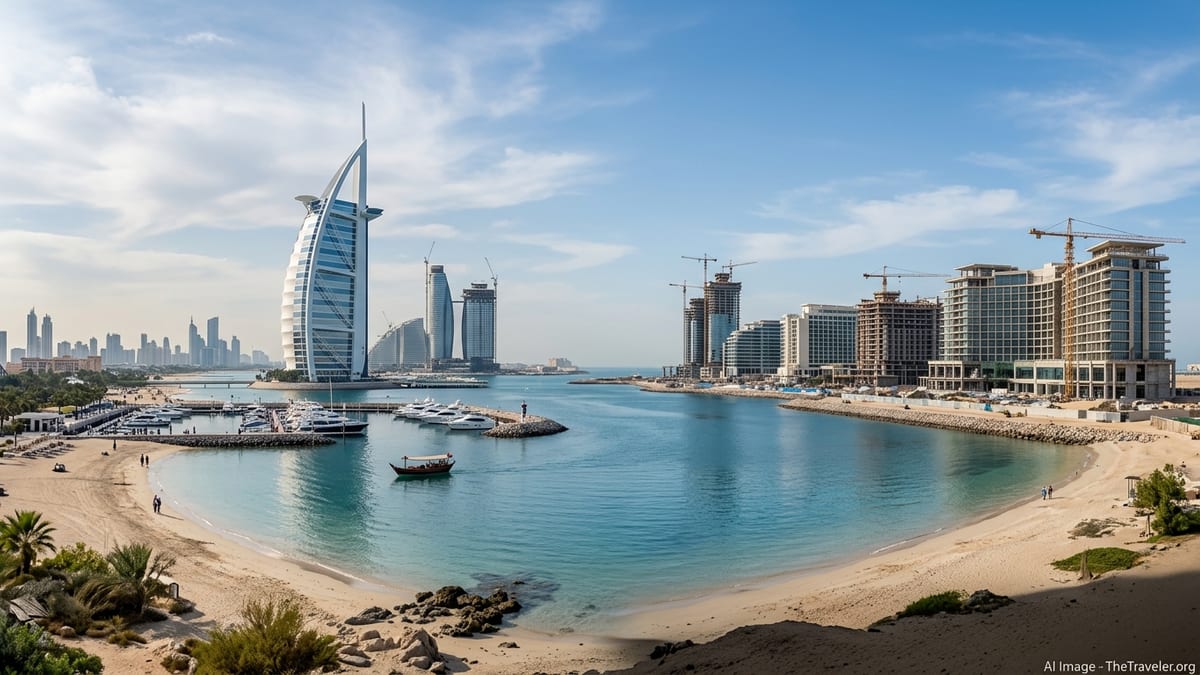
Record pipeline confirmed across Q1–Q3 2026
Lodging Econometrics’ Q3 2026 report confirms that the Middle East’s hotel development pipeline has climbed to 771 projects and 188,960 rooms, up 17 percent by projects and 15 percent by rooms compared with the same point in 2025. The figures represent a new peak in a run of consecutive records through 2025 and 2026, rather than an isolated spike.
The Q3 tally builds on earlier milestones this year. LE’s Q1 2026 release put the regional pipeline at 717 projects and 177,110 rooms, followed by another record of 724 projects and 178,003 rooms in Q2 2026. Across these three quarters, the data points to a steadily rising volume of planned and in-progress hotel development across the Middle East, even as broader geopolitical and economic conditions remain volatile.
For travelers, this pipeline snapshot is a forward-looking indicator rather than an inventory of currently available rooms. Many of the 188,960 rooms are still at planning or early construction stages and will come to market gradually over the rest of the decade, with a noticeable impact likely through to 2030.
Saudi Arabia dominates new hotel development
Saudi Arabia remains the clear leader in the regional hotel construction pipeline. At the end of Q3 2026, LE data shows the Kingdom with approximately 401 projects and 109,320 rooms, both record highs and comfortably ahead of other Middle Eastern markets by project and room count. That equates to around half of all pipeline projects in the region and an even larger share of planned rooms.
The Q3 figures extend a pattern already visible earlier in the year. LE’s Q2 2026 data placed Saudi Arabia at 387 projects and 105,648 rooms, following similarly dominant tallies in Q1. Secondary analyses of the LE numbers highlight that luxury, upper-upscale and upscale projects account for a large share of Saudi’s pipeline, closely tied to Vision 2030 tourism initiatives in destinations such as Riyadh, Jeddah, Makkah, and the Red Sea giga-projects.
For visitors, this concentration of development means more branded options and new-build resorts and city hotels, particularly at the higher end of the market, as projects open in phases over the next several years. However, only a portion of these keys are currently operating; the majority are scheduled or under construction, with completion timelines stretching into the later 2020s.
Dubai and the UAE remain flagship markets
While Saudi Arabia leads on overall pipeline volume, Dubai and the wider United Arab Emirates continue to act as flagship hotel and tourism markets for the region. Recent hospitality and consulting reports point to a substantial UAE pipeline, with the country consistently ranking among the top Middle Eastern markets by rooms under construction and in final planning, even if its absolute numbers are lower than Saudi’s.
Dubai in particular remains a focal point for high-profile openings and brand activity. Recent additions such as Jumeirah Marsa Al Arab on the city’s coastline, the SO/ Uptown Dubai in the Uptown Tower development, and new branded projects in Dubai Marina and along Sheikh Zayed Road illustrate how the emirate is layering fresh luxury and upper-upscale capacity on top of an already dense hotel market. Official tourism statistics have also shown strong visitor numbers through 2025, supported by Dubai International Airport’s record 2025 passenger traffic and the city’s year-round events calendar.
For travelers, the UAE’s sizable pipeline suggests continued variety in location, style and price point, particularly for those combining business trips with short leisure stays. However, unlike in Saudi Arabia, Dubai’s development is adding to an already mature hotel base, so the incremental impact on citywide availability and rates will be more about choice and segmentation than wholesale transformation.
What travelers can expect by 2030
For future visitors planning trips later this decade, the current pipeline data points to a broader and often more upscale menu of accommodation options across key Middle Eastern destinations. In Saudi Arabia, travelers can expect more international and regional brands in major cities, as well as a growing cluster of luxury and resort properties along the Red Sea and in landmark Vision 2030 destinations as those projects reach successive opening phases.
Across Dubai and the wider UAE, new properties are scheduled to open in established areas such as Downtown Dubai, Dubai Marina and the Palm, alongside mixed-use precincts that integrate hotels with retail, dining and residential components. This layered growth, combined with existing stock, could put some pressure on average daily rates, especially outside peak events, although pricing will ultimately depend on demand patterns and broader regional stability.
Because the LE data captures projects at various stages, from early planning to active construction, travelers should treat the 771-project, 188,960-room pipeline as an indication of potential future capacity rather than a firm delivery schedule. Before booking, it remains important to verify whether specific new hotels have actually opened and to check current conditions, including any changes in flight schedules or travel advisories affecting the wider region.