


More news on this day
The Philippines is stepping up dive training in the island province of Camiguin, aiming to capture a larger share of Asia’s fast‑growing high‑value ocean tourism market while strengthening safety and marine stewardship in one of Mindanao’s emerging underwater destinations.
Get the latest news straight to your inbox!
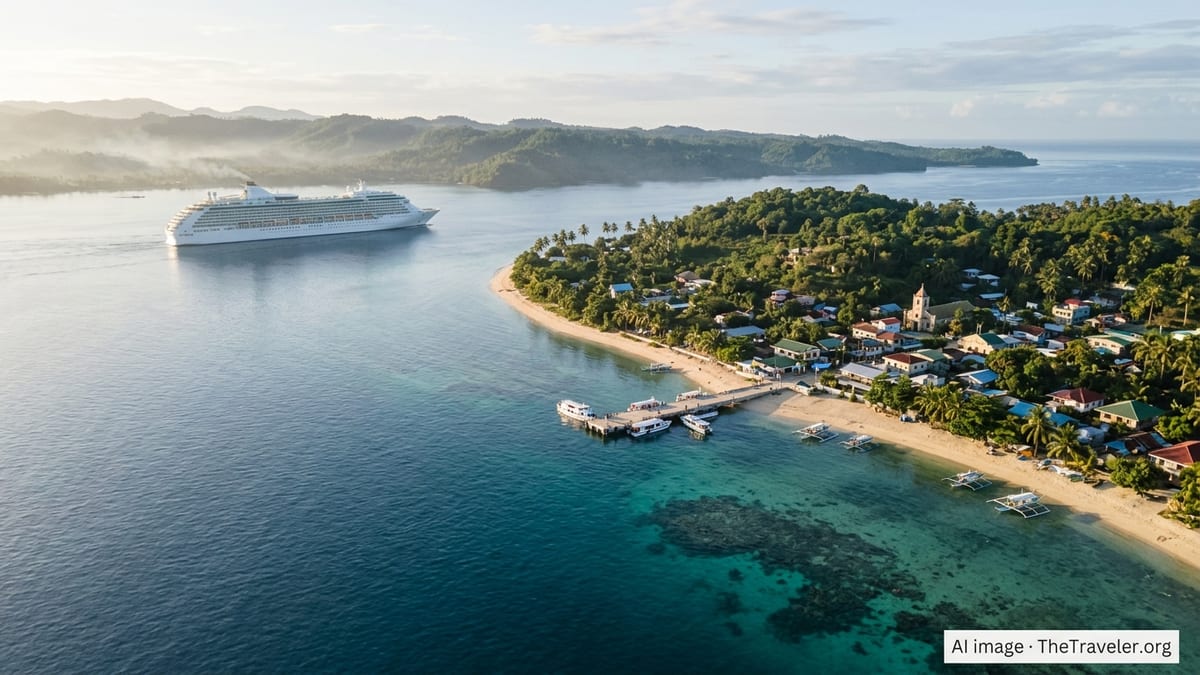
Camiguin Steps Forward in the Philippines’ Dive Tourism Strategy
Recent government communications and regional media coverage indicate that tourism authorities in Northern Mindanao are intensifying efforts to develop Camiguin and nearby Misamis Oriental as competitive dive hubs. Publicly available information highlights a focus on skills training, accreditation and marketing support designed to raise service quality and attract higher‑spending segments of the global dive market.
Camiguin, a volcanic island ringed by marine sanctuaries, has long been known domestically for its black coral gardens and coral‑rich slopes. Official destination profiles describe its scuba diving as a key draw, alongside snorkeling and freediving, positioning the island as a natural candidate for more structured dive‑focused development.
Regional tourism offices have been promoting dive familiarization trips and niche events across the Philippines, and Camiguin is increasingly included in these efforts. Reports point to growing international arrivals to Northern Mindanao, with dive tourism cited as a driver, encouraging a more systematic approach to skills training and environmental management.
New Training Drive Targets Safety, Skills and Sustainability
The emerging training push in Camiguin is framed around three priorities: upgrading professional competencies, tightening safety standards and embedding marine conservation practices in everyday operations. Program descriptions and local government documents indicate that training activities are being rolled out for dive guides, boat crews, community tourism workers and small business operators connected to the underwater sector.
These initiatives sit within a wider national agenda to professionalize niche tourism segments such as diving. Technical documents from tourism agencies outline goals to increase the number of accredited recreational scuba divers, expand access to recognized dive training organizations and align local practices with international safety norms.
Environmental stewardship is another central theme. Across Asia, new regulations and guidelines for dive operators increasingly require training in reef‑safe practices and protected area management. Philippine tourism agencies have echoed this trend in their own plans, linking dive skills programs to reef monitoring, waste management and visitor education on fragile marine ecosystems.
For Camiguin, where reefs and underwater volcanic formations are the primary tourism asset, the training drive is presented as a way to safeguard natural capital while upgrading the visitor experience. Industry observers suggest that better trained staff and clearer protocols can help the island compete with more established Philippine dive hotspots.
Asia’s High‑Value Ocean Travel Market Accelerates
The push in Camiguin comes as dive and ocean tourism across Asia and the broader Asia‑Pacific region expands rapidly. Market research released in 2025 and 2026 estimates the global diving tourism industry in the mid‑single‑digit billions of dollars, with projections of double‑digit annual growth through the early 2030s. Asia‑Pacific is consistently identified as one of the fastest growing regions, supported by rising middle‑class travel and a strong appetite for adventure and nature experiences.
Analyst outlooks point to an Asia‑Pacific diving tourism growth rate above 11 percent annually over the second half of the decade, outpacing several mature markets. This expansion is driven not only by traditional resort‑based scuba trips but also by liveaboard cruises, underwater photography expeditions and conservation‑linked programs that attract higher‑spending divers.
Broader ocean travel indicators tell a similar story. Regional tourism bodies and multilateral institutions describe high‑value coastal and marine tourism as a priority investment area, citing its potential to generate foreign exchange, create skilled jobs and incentivize better ocean governance. In this context, well‑managed dive destinations such as Camiguin are seen as part of a wider economic opportunity tied to healthy seas.
Industry reports also note that travelers from North America and Europe remain important source markets for long‑haul dive trips to Asia, often seeking multi‑destination itineraries that combine well‑known locations with emerging islands. This pattern underlines the importance of bringing new sites like Camiguin up to internationally recognized standards of safety and service.
Positioning Camiguin in the High‑Spending Dive Segment
Philippine tourism planners have identified dive tourism as a flagship niche within the country’s current national development strategies. Documents from the Tourism Promotions Board describe dive initiatives that target high‑spending visitors, promote environmental sustainability and highlight lesser‑known regions beyond the country’s most famous beach islands.
Marketing and product development efforts increasingly emphasize experiences that appeal to experienced divers and enthusiasts, such as technical diving, underwater photography and multi‑day dive circuits that connect several regions. Camiguin’s deep walls, historic underwater sites and proximity to other Mindanao and Visayas dive areas give it potential to be woven into such itineraries.
At the same time, domestic travel trends show strong interest in entry‑level diving and freediving, with online communities frequently recommending Camiguin as a destination where visitors can focus on underwater activities. This mix of beginner and advanced demand is shaping training needs, from introductory safety briefings to more specialized technical and guiding skills.
Publicly available procurement and planning documents suggest that the Philippines is also looking to diversify its source markets for dive tourism, with targeted campaigns in East Asia, South Asia and the United States. Enhanced training in Camiguin can support this strategy by ensuring that visitor expectations on professionalism, language skills and environmental practices are met.
From Training Rooms to Reefs: Implications for Local Communities
The training push in Camiguin is expected to have direct implications for local livelihoods. Tourism policy papers produced in partnership with international development institutions highlight how high‑value segments such as diving can increase earnings for micro, small and medium‑sized enterprises when backed by skills development and infrastructure support.
In practice, this means new or upgraded roles for local dive guides, boat operators, homestay owners, transport providers and food businesses that serve visiting divers. As training programs roll out, these workers gain access to formal certifications and structured learning, which can improve both employability and earning potential.
Stronger safety and environmental standards can also make the destination more resilient. By reducing accident risks and visible reef damage, well‑trained operators help sustain visitor confidence and preserve the very ecosystems that draw travelers in the first place. This is particularly important in small islands such as Camiguin, where tourism, fisheries and community life are closely intertwined.
Observers note that Camiguin’s experience will be closely watched by other emerging Philippine dive spots that are seeking to tap into Asia’s high‑value ocean travel surge. If the island’s training‑led approach contributes to higher‑quality experiences, healthier reefs and more stable incomes, it may offer a template for balancing growth and conservation across the country’s wider archipelago of underwater attractions.