


More news on this day
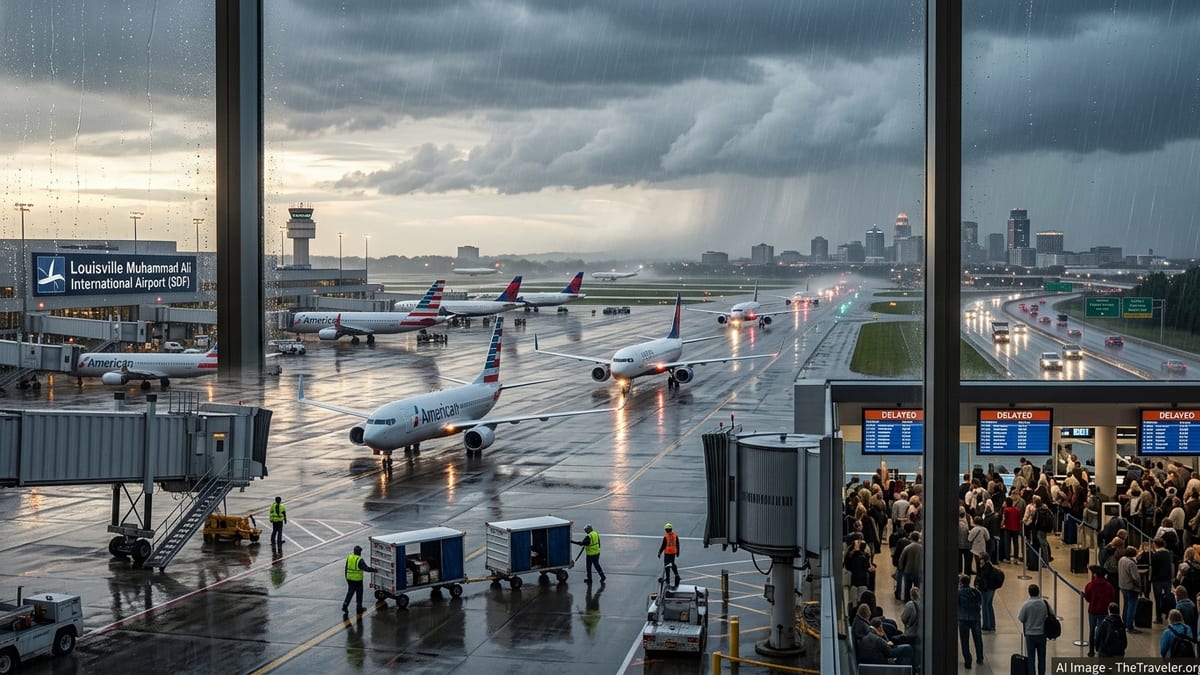
Millions of Americans heading to Thanksgiving gatherings are facing mounting flight delays as a sprawling storm system, recent airline technology glitches and near record passenger volumes converge on some of the nation’s busiest travel days.
Get the latest news straight to your inbox!
Storms on both coasts coincide with peak holiday demand
Forecasters are warning that a large storm system affecting both U.S. coasts is likely to disrupt flights from the evening of Wednesday, November 25, 2026, through Thanksgiving Day and into Friday morning, particularly at major East Coast hubs. The National Weather Service and private forecasters expect bands of heavy rain, strong winds and areas of low visibility to complicate takeoffs and landings along the Interstate 95 corridor and parts of the Southeast, with snow and icing possible in some interior locations.
Although precise totals vary by region, the projected impacts include periods of crosswinds and gusts strong enough to trigger traffic-management programs at some large airports, as well as low clouds and reduced visibility that can slow arrivals and departures. Airlines typically respond by trimming schedules, building in longer connection times or asking crews to reposition aircraft early, but the sheer volume of holiday traffic means even modest slowdowns can quickly create knock-on delays across the system.
On the West Coast, forecasters are tracking additional disturbances bringing rain, coastal flooding and mountain snow, particularly in parts of California. While conditions at a given airport may remain within operating limits, flights can still be delayed when storms at origin or destination airports require rerouting or holding patterns, and airlines are warning customers that weather in one region can ripple through national networks during such a concentrated travel period.
Record volumes and recent glitches heighten disruption risk
The Federal Aviation Administration expects U.S. airlines to operate more than 417,000 flights over the nine-day Thanksgiving period from November 23 to December 1, the highest level in at least 16 years. Trade group and government forecasts indicate that more than 80 million people are likely to travel at least 50 miles from home, with air travel close to or above recent records and Wednesday and Sunday projected as the busiest days at security checkpoints.
The weather challenges are arriving hard on the heels of several high-profile technical issues. In the days leading up to Thanksgiving week, a series of airline-specific automation and network problems caused hundreds of delays at major hubs, and a rare nationwide ground stop earlier in November highlighted vulnerabilities in aging air-traffic technology. While regulators say core FAA systems are functioning normally this week, the recent disruptions have left limited margin for error as carriers attempt to run dense holiday schedules.
Individual airlines are reporting large planned operations for the holiday period. American Airlines, for example, has said it expects to fly nearly 85,000 flights and carry more than 8 million customers across the broader Thanksgiving window, with Sunday, November 29, set to be its single busiest operating day since the pandemic. With schedules at or near capacity for several major carriers, even localized storms or brief ground stops can result in aircraft and crews being out of position, increasing the likelihood that isolated issues grow into wider patterns of delay.
Louisville and other regional hubs prepare for soaking Thanksgiving weather
In Kentucky, the National Weather Service office in Louisville is calling for a soaking rain on Thanksgiving Day, with the heaviest precipitation expected along and south of the Western Kentucky and Bluegrass parkways. The forecast suggests periods of moderate to heavy rain and low clouds in the Louisville metro area, conditions that can slow operations at Louisville Muhammad Ali International Airport, especially during peak arrival and departure banks.
Airport officials in Louisville say flight operations had largely recovered from earlier nationwide disruptions by the start of the holiday travel period, and they are expecting Thanksgiving passenger volumes to rise compared with 2025. Even with improved baseline operations, local weather could still trigger delays, and airport managers are encouraging travelers to build in additional time for check in, security and potential schedule changes if storms intensify around key departure windows.
Regional airports across the Ohio Valley, the Mid-South and portions of the Southeast face similar patterns, with forecasters pointing to widespread rain and pockets of low visibility as the system tracks east. While these conditions are generally manageable, they can prompt air-traffic flow restrictions when combined with high traffic volumes, meaning that even airports not directly under the heaviest rain may experience delays because of constraints at nearby hubs or along crowded flight corridors.
Waivers, rerouting and what the data say about Thanksgiving delays
Several major U.S. airlines have issued weather-related travel waivers ahead of the storm, allowing customers scheduled to fly on or around Thanksgiving to change flights without standard change fees if they keep the same origin and destination and rebook within specified dates. The waivers vary by carrier and are generally focused on airports expected to see the worst conditions, including multiple East Coast and Southeast hubs, though some also cover parts of the West where heavy rain and mountain snow are forecast.
Historic performance data suggest that, on average, flights in the days around Thanksgiving are not dramatically more delayed than in similar non-holiday periods, in part because airlines often schedule fewer flights on Thanksgiving Day itself and build in more buffer time. However, the Sunday and Monday after Thanksgiving have consistently been among the most delay-prone days of the year, as carriers concentrate large numbers of departures into relatively tight time windows and any lingering weather or operational issues amplify congestion.
Early-morning departures continue to offer the best odds of an on-time arrival, particularly during peak holiday travel. U.S. Department of Transportation data for recent years show that flights scheduled between 5 a.m. and 9 a.m. local time depart on time at significantly higher rates than those later in the day, when delays accumulated from earlier flights and compressed evening schedules are more likely to cascade. For this year’s Thanksgiving period, that pattern is expected to hold, especially at busy connecting hubs managing both weather and heavy traffic.
What travelers should watch for over the rest of the holiday period
For passengers departing on Thanksgiving Day, Friday, November 27 or over the following weekend, the most important step is to monitor both their individual flight status and broader conditions at their origin and connection airports. Airlines and the FAA update delay and ground-stop information throughout the day, and schedule changes can accelerate quickly when storms intensify or wind shifts force airports to change runway configurations.
Travelers holding tickets to or through airports covered by waivers should review the specific terms from their airline before making changes. Carriers typically specify eligible travel dates, affected airports and deadlines for rebooking, and some may allow customers to shift trips by several days to avoid the worst of the weather. Given that the Sunday and Monday after Thanksgiving are historically the most congested and delay-prone, some travelers with flexible plans may find it advantageous to return on Saturday or later in the following week if inventory and fares permit.
Looking beyond the immediate storm, early seasonal outlooks from U.S. and international agencies point to a strengthening El Niño pattern likely to bring wetter-than-average conditions to parts of the southern United States during the coming winter. That does not guarantee significant disruption at any particular airport on a specific date, but it does suggest that weather-related delays could remain an intermittent feature of air travel in some regions after Thanksgiving. For now, passengers should plan for longer-than-usual airport days, keep an eye on live updates and consider contingency options such as earlier departures or alternative routing as the holiday travel rush continues.