


More news on this day
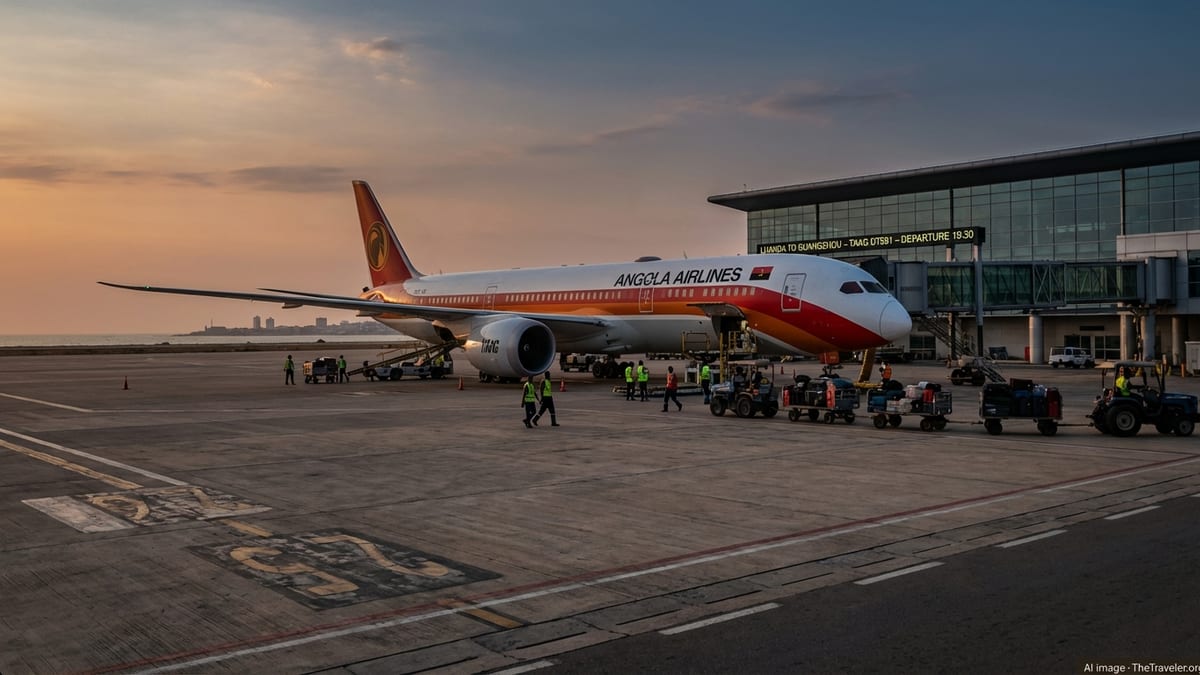
TAAG Angola Airlines is taking on an unexpected role in wildlife conservation, with recent reports highlighting how the Luanda-based carrier has been used to move African lions between reserves and rehabilitation sites across the continent.
Get the latest news straight to your inbox!
A Flag Carrier Connecting Conservation Landscapes
Publicly available information shows that TAAG, Angola’s state-owned flag carrier, operates one of the most extensive intra-African networks from its Luanda hub, linking Southern, Central and parts of West and East Africa as well as long-haul destinations. This geographic reach has made the airline a useful partner for conservation groups that need to move wildlife, including lions, safely and relatively quickly between countries.
TAAG’s mix of widebody and narrowbody aircraft, combined with cargo operations through its Angola Air Charter subsidiary, allows the airline to accommodate specialized freight such as custom-built transport crates and veterinary equipment. Reports indicate that conservation organizations have taken advantage of these capabilities when planning complex lion relocations where ground or road transport would be too slow or dangerous.
While detailed flight manifests are not public, sector analysts note that Luanda’s position between Southern African lion strongholds and emerging recovery sites in Central and West Africa creates a logical aviation bridge. In practice, that means flights transiting Angola can shorten multi-day overland journeys into carefully choreographed overnight or same-day airlifts for individual lions or small prides.
According to published coverage on African aviation, TAAG has been reshaping its fleet with newer aircraft that offer better range, fuel efficiency and cargo flexibility. These changes support not only commercial routes, but also occasional conservation-linked movements that rely on reliable schedules and the capacity to handle sensitive live cargo.
Why Lions Are Being Moved Across Borders
Lion transport by air is typically tied to conservation objectives rather than tourism or commercial trade. Wildlife groups and park agencies across Africa have turned to translocations when local lion populations collapse from poaching, habitat loss, prey depletion or conflict with communities. Moving lions from healthy populations into underpopulated or once-extinct areas is seen as a way to re-establish functioning ecosystems and restore apex predators.
Conservation science reports describe how several protected areas in countries such as Rwanda, Malawi and others have relied on translocated lions to restart populations after years without the species. In some cases, lions are relocated from well-managed reserves in Southern Africa, where numbers are relatively stable, to parks in Central or East Africa that have suitable habitat but few or no remaining big cats.
Because lions are territorial and travel in prides, each move must be carefully planned. Veterinary teams usually select individuals that can adapt to a new environment, undergo health screenings and use sedation to minimize stress during handling and transport. Air travel becomes a critical link in this chain when distances span thousands of kilometers or cross multiple international borders, situations in which airlines like TAAG are well-positioned to help.
Experts involved in these projects emphasize that translocation is not a cure-all for lion conservation. Airlifting lions is only effective when the destination park has strong security, community engagement and long-term funding. Nevertheless, it has become an increasingly visible tool in Africa’s broader effort to stabilize and grow lion numbers where local conditions allow.
The Complex Logistics of Flying Lions
Flying lions across Africa involves a level of planning more akin to a medical operation than a routine cargo shipment. Specialized crates must be designed to protect the animals while allowing adequate ventilation and safe access for veterinary staff. Lions are typically sedated before loading, then monitored closely throughout the journey to manage temperature, respiration and stress levels.
Airside operations teams at departure and arrival airports are briefed on the presence of live big cats on board, and handling procedures are adapted accordingly. Ground times are kept as short as possible to reduce exposure to heat or noise, and aircraft are selected for their ability to maintain stable cabin conditions in the cargo hold. For an airline such as TAAG, which regularly operates in hot climates across Africa, this often means coordinating departures and arrivals around cooler parts of the day.
Insurance, regulatory approvals and international wildlife permits add further complexity. Lion translocations must comply with veterinary and biosecurity requirements in both origin and destination countries, as well as international rules governing the movement of threatened species. Airlines involved in such flights need processes that align with these frameworks, including documentation for customs and border authorities.
Reports on previous African wildlife airlifts, including those for rhinos, elephants and other species, suggest that successful operations depend on seamless collaboration between conservation groups, wildlife veterinarians, airport operators and airline cargo departments. TAAG’s growing regional network and experience with mixed passenger and cargo operations make it a natural participant when such projects originate or transit through Angola.
Angola’s Emerging Role in Regional Conservation Travel
Angola has been positioning itself as an important aviation and tourism hub in Southern and Central Africa, and TAAG’s evolving route map reflects this ambition. Recent fleet investments and new international connections have increased Luanda’s relevance for travelers heading to safari destinations, coastal regions and island states, bringing more attention to the country’s own wildlife potential.
Protected-area initiatives within Angola are gradually expanding, and cross-border conservation initiatives are drawing greater interest from tour operators and non-governmental organizations. By linking Luanda with cities such as Johannesburg, Windhoek, Lusaka and other gateways near major reserves, TAAG is indirectly supporting the flow of conservation professionals, tourists and funding into lion range states.
These same connections can be repurposed occasionally for lion movements themselves, particularly when translocations involve multiple staging points. A lion could, for example, be moved by road from a remote reserve to a regional airport, flown into Luanda on a TAAG-operated sector, and then transferred onward to another country where a reintroduction program is underway.
Industry observers note that such operations remain rare compared with the airline’s core commercial activities. Still, they underscore how Africa’s growing aviation infrastructure, including carriers like TAAG, is becoming intertwined with efforts to safeguard iconic species. For travelers, the story adds a new dimension to flying within the continent: the same aircraft carrying passengers to business meetings or beach holidays may at times also help move lions to new, carefully chosen homes.
What This Means for Future Wildlife Airlifts
The increasing use of airlines to move large carnivores suggests that aviation will remain central to ambitious conservation projects in Africa. As more parks seek to restore lion populations, the demand for safe and efficient transboundary transport is likely to continue, especially where long road journeys would expose animals and people to unnecessary risk.
For TAAG, involvement in lion moves highlights the broader social value of a national carrier that connects diverse parts of the continent. Although these flights make up a tiny fraction of the airline’s schedule, they demonstrate how commercial aviation infrastructure can occasionally serve as a lifeline for threatened wildlife.
Observers of African conservation point out that future lion airlifts will depend on stable funding, strong governance in destination parks and continued improvements in wildlife transport protocols. Airlines with the right combination of routes, equipment and operational expertise, including TAAG, are likely to be called upon again when projects require rapid, long-distance moves.
For now, reports of lions traveling in the holds of African airliners serve as a reminder that the continent’s expanding skies are not only ferrying people and goods, but also helping to rebuild the ecological fabric of its most celebrated landscapes.