


More news on this day
Thailand has urged its citizens living and working across the Middle East to review their safety plans and stay alert to fast changing conditions, as a new wave of regional tensions raises concerns over flight disruptions, security risks and the knock on effects for travel and tourism.
Get the latest news straight to your inbox!
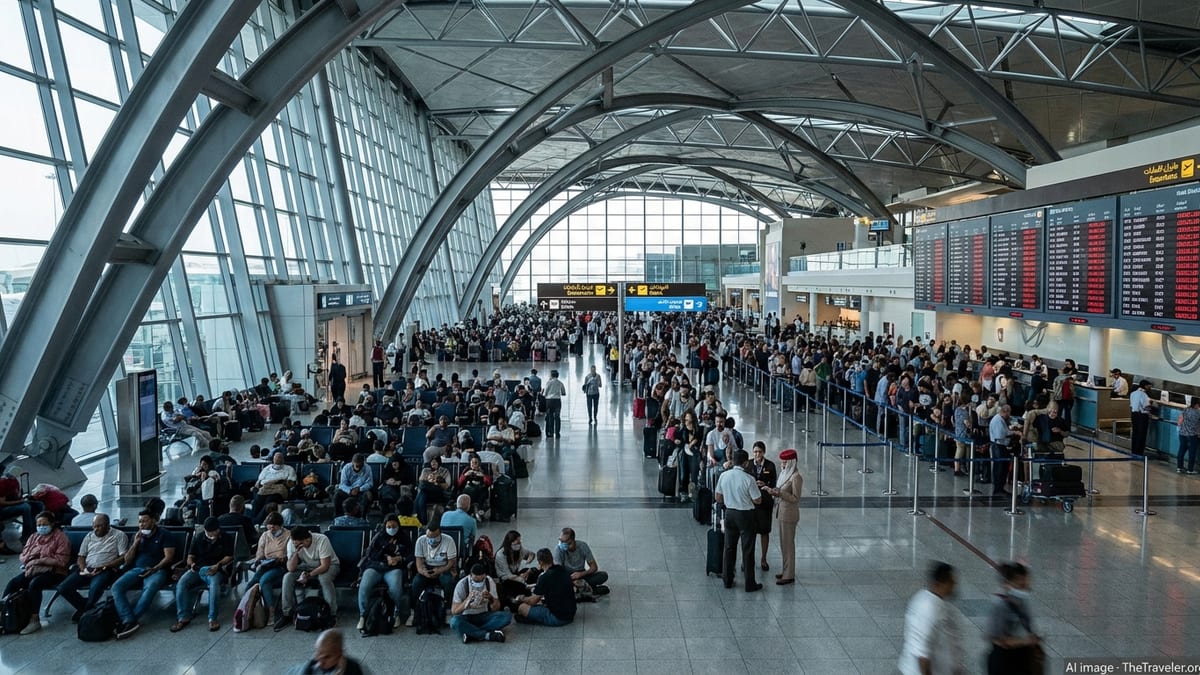
Updated guidance for Thai nationals across the region
According to publicly available information from Thai and regional media, Bangkok has circulated new guidance to its embassies and consulates in the Middle East in response to the latest escalation linked to the conflict involving Iran, Israel and the United States. Advisories emphasize that conditions can deteriorate quickly, particularly in countries already subject to higher risk ratings from foreign governments, and call on Thai nationals to keep documents ready and maintain regular contact with family members at home.
The advice focuses on Thai citizens in high risk locations, including those in Iran, Iraq, Lebanon, Syria, Gaza and Yemen, where many other governments already classify the security situation as extremely volatile. Reports indicate that Thai diplomatic missions are updating contact lists, encouraging workers to register their whereabouts and reminding people to follow local news and official announcements closely.
Thai officials have faced heightened sensitivity about overseas safety since the mass evacuation of agricultural workers and caregivers from Israel following the outbreak of the Gaza war in 2023, and more recently during evacuations linked to the 2026 Iran conflict. The current messaging reflects an effort to move earlier and more proactively, with a particular focus on Thai nationals employed on construction sites, in domestic work and in service industries across the Gulf.
Publicly available coverage notes that the guidance stops short of a blanket order to leave the region, instead stressing preparation, caution and readiness to move quickly if the security picture worsens. For now, commercial flights and major hubs remain open, but Thai travelers are being advised to build flexibility into itineraries and to check onward connections before departure.
Impact on Thai workers, pilgrims and diaspora communities
The Middle East is a major destination for Thai migrant workers, particularly in sectors such as construction, hospitality and domestic work in countries including Saudi Arabia, the United Arab Emirates, Qatar, Bahrain, Kuwait and Oman. After years of efforts to rebuild labor agreements and open new job channels, any perception of elevated risk raises difficult questions for workers already on site and for those preparing to depart.
Recruitment agencies in Thailand are monitoring developments closely, in part because previous surges in regional tension have led to sudden shifts in visa policies and contract terms. Published reports following the 2026 Iran war describe how some employers postponed new intakes or adjusted schedules when airspace closures and insurance costs began to bite, forcing workers to delay travel or reroute through alternative hubs.
Religious travel is also in focus. Each year, thousands of Thai Muslims travel to Saudi Arabia for umrah and the annual hajj season, often transiting via other Middle Eastern capitals. The latest alerts encourage would be pilgrims and tour operators to keep abreast of any changes in crowd control measures, airspace restrictions or entry requirements that might follow from the broader security climate.
For the Thai diaspora already settled in the region, from business executives in Dubai to long term residents in Bahrain and Qatar, the government’s message reinforces familiar advice to avoid demonstrations, stay clear of military or diplomatic facilities and keep alternative travel plans in mind. While many have lived through previous cycles of tension, the scale of recent evacuations from parts of the region has sharpened interest in contingency planning.
Travel disruptions and changing flight patterns
Regional tensions have immediate implications for air travel, a concern that features prominently in recent security alerts issued by Western governments and regional aviation bodies. Those alerts warn that travelers in the Middle East should be prepared for flight cancellations, periodic airspace closures and short notice schedule changes, especially if hostilities widen or new strikes occur.
Thailand’s own warnings echo that broader message, highlighting potential disruptions at key transit hubs used by Thai citizens and visitors alike. Many journeys between Europe and Asia rely on connections through Gulf airports such as Dubai, Abu Dhabi and Doha, and any restrictions on overflight routes around Iran and neighboring states can create delays, longer flight times and higher fares.
Thai tourism operators report that some travelers are already seeking routings that avoid the most sensitive areas, even when airlines continue to operate normally. Those concerns follow earlier episodes during which carriers temporarily diverted around conflict zones, adding hours to long haul itineraries and prompting nervous passengers to reconsider nonessential trips.
For now, major Middle Eastern airlines continue to serve Bangkok and Phuket, and Thai carriers have not announced large scale cancellations on Middle East routes. However, the new advisory urges passengers to reconfirm bookings, allow extra time for connections and maintain access to airline apps or messaging services in case schedules shift at short notice.
Ripples for Thailand’s tourism and aviation sectors
Although the latest warning is directed at Thai citizens in the Middle East, the underlying tensions are also being felt in Thailand’s own tourism and aviation industries. The country has positioned itself as a long haul playground for visitors from Europe and the Gulf, and instability along key flight corridors can weigh on demand even when Thailand itself remains calm and open.
Regional business coverage in early 2026 highlighted how the Iran conflict and associated fuel price spikes pushed up operating costs for airlines serving Southeast Asia. Carriers responded with selective fare increases and, in some cases, trimmed capacity on marginal routes. For Thai travelers and foreign tourists alike, the result was a more expensive and less predictable environment for long distance trips.
At the same time, Thailand has benefited from its reputation as a safe haven relative to more turbulent parts of the wider region. Industry analysts quoted in local media describe a pattern in which some travelers who might once have split time between Middle Eastern beach destinations and Southeast Asia are now dedicating entire holidays to Thailand, Vietnam or Indonesia instead, seeing them as more insulated from regional flashpoints.
Tourism businesses on the ground are watching closely for any sign that the latest Middle Eastern tensions could deter visitors from long haul markets or complicate tour operations that rely on Gulf carriers. Many hotel groups and destination management companies have diversified their source markets in recent years, targeting India and regional ASEAN neighbors alongside Europe and the Middle East to cushion against geopolitical shocks.
What Thai travelers and visitors should watch next
For travelers, the evolving situation highlights the importance of up to date information and flexible planning. Publicly available advisories from multiple governments emphasize simple steps such as registering travel plans with embassies, keeping copies of documents in secure cloud storage and maintaining a small reserve of funds in case of unexpected delays.
Industry observers point out that even modest escalations can have outsized effects on aviation and insurance, sometimes triggering route suspensions that strand travelers far from home. During the 2026 Iran conflict, for example, a cascade of precautionary airspace closures forced airlines to reroute or cancel services with little notice, rippling through schedules as far away as Southeast Asia.
For Thailand’s large community of outbound workers and holidaymakers, the latest warning reinforces the value of monitoring both Thai and international coverage before departure and during a trip. Those planning to transit the Middle East may wish to build in longer layovers, avoid tight same day connections and consider refundable or flexible tickets where budget allows.
Within Thailand itself, airports and tourism hubs remain busy, and there are no indications of domestic security concerns linked to events in the Middle East. Even so, the renewed focus on overseas risk underscores how interconnected today’s travel landscape has become, with developments thousands of kilometers away capable of reshaping routes, prices and personal safety calculations in a matter of days.