


More news on this day
Thailand is intensifying travel warnings and contingency plans for its citizens in the Middle East as regional tensions linked to the Iran war, disrupted air routes and a deepening fuel shock create new risks for workers and tourists across the region.
Get the latest news straight to your inbox!
Updated advisories as conflict escalates
Recent advisories from Bangkok urge Thai nationals in the Middle East to closely monitor local developments, avoid protest sites and high risk areas, and be prepared for rapid changes in the security situation. Publicly available information indicates that Thailand has issued multiple updates since the outbreak of the 2026 Iran war, reflecting concerns about missile strikes, proxy attacks and possible spillover into key labor destinations.
Coverage of regional reactions to the conflict notes that governments across Asia, including Thailand, have been reassessing the exposure of their citizens as hostilities between Iran and its adversaries intensified in early 2026. Reports on diplomatic briefings describe a particular focus on Iranian cities and neighboring states where airspace closures, curfews and intermittent clashes have been reported, raising the prospect of sudden evacuations or route diversions.
Thai media and international outlets have reported that officials in Bangkok are tracking commercial flights and local security conditions in coordination with embassies and consulates across the region. Public information suggests that contingency plans include emergency hotlines, registration systems for Thai nationals and options for organized departures should the situation deteriorate further.
Focus on Thai workers and migrant communities
The heightened warnings are especially significant for the large number of Thai citizens working in Gulf economies. Thailand has long relied on overseas labor deployments to countries such as Saudi Arabia, the United Arab Emirates, Qatar and Bahrain, where many Thais are employed in construction, services and domestic work. Rising tensions have renewed questions about the safety net available to these workers if the conflict widens.
Regional analysis shows that several Middle Eastern states remain under elevated travel warning levels because of the risk of missile attacks, drone strikes and civil unrest. In many of these countries, Thai workers live in employer provided housing near industrial zones, ports or critical infrastructure, areas that may be more vulnerable in a crisis. Public advisories therefore emphasize basic preparedness, from keeping travel documents accessible to knowing the nearest safe shelter and assembly point.
Recruitment agencies and labor brokers in Thailand are also facing closer scrutiny as families seek clearer information about loved ones posted to the region. Local press coverage indicates that some new deployments to the highest risk locations have been postponed or subjected to additional screening, while existing workers are being urged to remain in regular contact with Thai missions and to follow local safety instructions.
Flight disruptions and rerouting for Thailand bound travelers
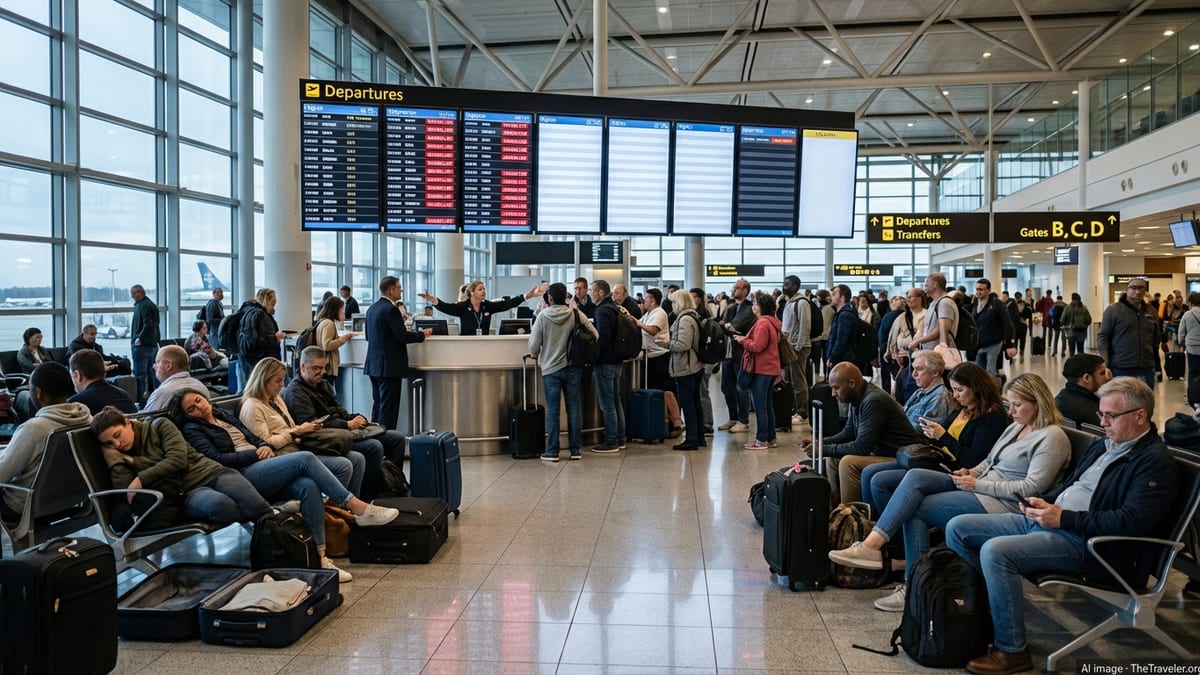
For travelers heading to or from Thailand, the instability in the Middle East is increasingly visible in flight schedules and prices. The Iran war has led to periodic airspace closures and risk based route adjustments for airlines that traditionally overflew the Gulf and Iran, adding time and cost to long haul journeys between Europe or Africa and Southeast Asia.
Travel industry commentary points out that some carriers have curtailed or suspended stopovers in certain Middle Eastern hubs, while others have shifted to alternative corridors that avoid contested skies. These shifts can have knock on effects for Thai citizens transiting the region and for foreign visitors using Middle Eastern gateways on the way to Bangkok, Phuket or Chiang Mai.
Thai tourism stakeholders are monitoring whether prolonged tensions will dampen arrivals from Middle Eastern source markets that have grown rapidly over the past decade. At the same time, analysts note that Thailand has sometimes benefited from travelers seeking a perceived safe haven away from conflict zones, with previous geopolitical crises prompting a redirection of holiday and long stay demand toward Southeast Asia.
Fuel shock and knock on effects at home
The conflict has also triggered a global fuel shock that is being felt inside Thailand. Research on the 2026 Iran war fuel crisis highlights that Thailand imports a majority of its crude oil from the Middle East, with tankers passing through the Strait of Hormuz, a strategic chokepoint now associated with elevated maritime risk. Disruptions or perceived threats along this route have contributed to higher benchmark prices and volatility in oil markets.
Domestic analysis in Thailand has drawn a direct line from Middle Eastern instability to rising transport and energy costs, which in turn feed into airline ticket prices, hotel operations and broader tourism expenses. Public debates have focused on how effectively the government and major fuel companies are using strategic reserves and price stabilization funds to cushion the impact on consumers and on the country’s vital visitor economy.
While tourism to Thailand continues, higher jet fuel costs and insurance premiums are putting pressure on airlines and tour operators. Industry observers warn that if regional tensions remain elevated for an extended period, some long haul routes could become less profitable, leading to reduced capacity or higher fares for travelers planning trips to and from Thailand.
Practical guidance for Thai nationals and visitors
In this environment, Thai citizens in the Middle East are encouraged through public channels to stay registered with official information systems, maintain updated contact details and regularly check advisories issued in Bangkok and by local authorities in their host country. Travelers are also being urged to keep flexible itineraries, allow extra time for transit through regional hubs and stay alert to airline notifications about routing changes.
Risk consultants note that, even during periods of heightened tension, conditions can vary significantly from one city to another across the Middle East. Business districts and resort areas may remain calm and operational while other locations experience sporadic unrest or infrastructure disruptions. As a result, Thailand’s messaging has focused not only on general caution but also on the importance of location specific updates.
For international visitors considering itineraries that combine Thailand with Middle Eastern stopovers, travel planners recommend checking insurance coverage for conflict related disruptions, confirming rebooking policies and staying aware of the latest security alerts in transit countries. Thailand itself remains open to tourism, but the widening repercussions of the regional conflict underscore how closely the kingdom’s connectivity and economic outlook are tied to events unfolding thousands of kilometers away.