


More news on this day
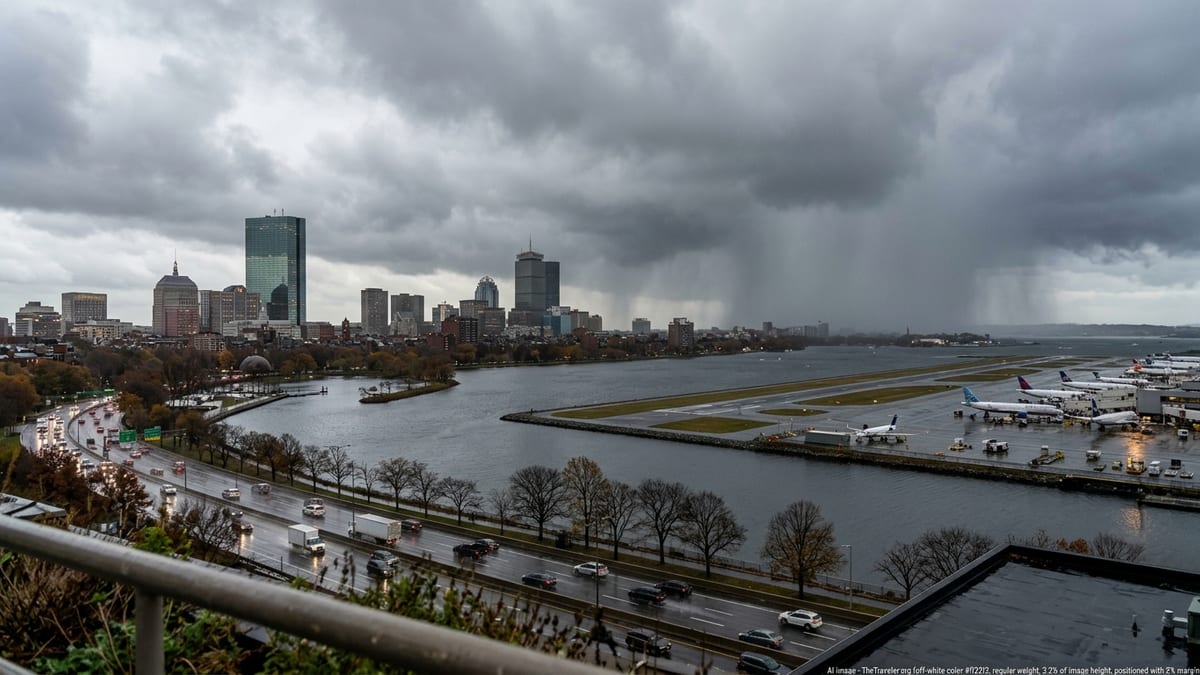
A rapidly developing coastal storm is expected to bring heavy rain, strong winds and pockets of coastal flooding to Boston and much of New England from Thanksgiving afternoon into Friday morning, raising the risk of flight disruptions at Boston Logan International Airport and difficult driving conditions during one of the year’s busiest U.S. travel periods.
Get the latest news straight to your inbox!
Storm timing and impacts for Boston and New England
Forecasts from the National Weather Service office in Boston/Norton indicate that a coastal storm will begin affecting eastern Massachusetts on Thursday 26 November 2026, with rain spreading north across southern New England during the afternoon and becoming heavier during the evening and overnight. Meteorologists expect the heaviest rain bands and strongest winds to occur from Thursday evening through the early hours of Friday, before conditions gradually improve later on 27 November.
The latest area forecast discussion calls for periods of heavy rainfall, gusty onshore winds and the potential for coastal flooding, particularly around the Thursday night high tide cycle. A wind advisory has been issued for the Boston area from midday Thursday into Friday morning, with forecast gusts that could exceed 40 miles per hour along parts of the Massachusetts coast. Forecasters also note that the combination of saturated ground in some locations and strong gusts could bring down tree limbs and cause isolated power outages, especially near the shoreline and at higher elevations.
Rainfall totals across southern New England are generally expected to reach around 1 to 2 inches by Friday morning, with locally higher amounts where heavier bands set up. Inland areas are forecast to see mainly rain, with any wintry precipitation confined to higher peaks well north of the Boston metropolitan area. Temperatures in the city and at Logan Airport are expected to remain above freezing throughout the event, which reduces the risk of snow or ice but increases the likelihood of ponding on roads and reduced visibility during heavier downpours.
Boston Logan operations and air travel outlook
As of Wednesday morning, there were no major weather-related disruptions at Boston Logan International Airport, and conditions remained dry and seasonably cool. However, both state transportation officials and local forecasters are warning that the incoming storm could lead to delays and some cancellations beginning later on Thanksgiving Day, particularly for evening departures and arrivals. Even if the worst of the rain and wind is centered on the overnight hours, knock-on effects from delays at other East Coast hubs could ripple into Boston’s schedule.
In a Thanksgiving travel advisory issued earlier this week, the Massachusetts Department of Transportation said Massport expects around 1 million passengers to pass through Boston Logan during the Thanksgiving travel period, with the busiest days forecast to be Wednesday 25 November and Sunday 29 November. That aligns with national patterns, where airlines typically see peak Thanksgiving demand on the day before the holiday and on the Sunday return. Airlines have published schedules assuming normal operations, but most carriers are encouraging passengers to monitor their flight status closely and to allow extra time at the airport in case of weather-related disruptions.
At this stage, there has been no broad preemptive cancellation program announced specifically for Boston, but some airlines have begun offering flexible rebooking options on routes most exposed to the coastal storm along the Eastern Seaboard. Travelers connecting through other major hubs such as New York and Philadelphia may be particularly vulnerable to cascading delays if strong winds and heavy rain disrupt operations there on Thursday. Passengers with tight connections or same-day onward travel should check their reservation details and consider earlier or alternative flights where available.
Nationwide Thanksgiving travel patterns and AAA forecast
The weather concerns in New England come during what is still projected to be one of the busiest Thanksgiving travel periods on record in the United States. In its November forecast, AAA projected that about 81.5 million Americans would travel at least 50 miles from home between Tuesday 24 November and Monday 30 November 2026. That figure represents a slight decline of around 0.1 percent compared with last year’s record of 81.6 million travelers, but remains above pre-pandemic levels and close to an all-time high.
AAA’s breakdown suggests that personal vehicles will again dominate Thanksgiving travel. The organization expects nearly 73 million people to travel by car during the holiday period, with just under 6 million flying. The modest year-on-year decline in forecast travel volume ends a three-year streak of record highs for the holiday. Traffic on intercity buses and trains, as well as trips by cruise and other modes, is projected to account for a relatively small share of the overall total but still contribute to crowded stations and terminals in major metropolitan areas.
AAA analysts note that Wednesday before Thanksgiving and the Sunday after the holiday remain the busiest days for both highways and airports. That pattern appears to be holding in Massachusetts as well, with MassDOT and Massport both highlighting those dates as peak days for traffic on state highways and for passenger throughput at Boston Logan. The slight dip in national traveler numbers has not translated into noticeably quieter roads around Boston’s urban core, where commuting patterns, local holiday shopping trips and regional family visits add to longer-distance journeys.
Road conditions, driving hotspots and price pressures
For New England drivers, the biggest weather-related impacts from the Thanksgiving storm are expected from Thursday afternoon into the overnight hours. Forecasts indicate that Thanksgiving morning should begin relatively manageable for motorists in eastern Massachusetts, with increasing clouds and cool temperatures but limited precipitation. Conditions are likely to deteriorate later in the day as rain expands northward and intensifies, bringing reduced visibility, standing water in low-lying areas and gusty crosswinds on exposed bridges and elevated roadways.
MassDOT’s advisory for the 2026 Thanksgiving period highlights typical choke points on the Massachusetts Turnpike and around the Boston beltway, especially during the afternoon and early evening as residents and visitors head to holiday gatherings. The department urges drivers to allow extra time, reduce speed in wet conditions and avoid unnecessary travel during the heaviest rain bands where possible. In neighboring states, transportation and emergency management agencies are also warning of strong winds and heavy rain along portions of the Interstate 95 corridor, with some coastal areas facing a risk of localized flooding around high tide.
While gasoline prices and food costs are not expected to change specifically because of this week’s storm, they continue to shape many travelers’ Thanksgiving budgets. Recent data cited by AAA and other national outlets indicates that average U.S. pump prices have been drifting lower in the weeks before Thanksgiving, offering drivers some relief compared with earlier in the year, although they remain elevated relative to long-term historical norms in many regions. Separate figures from agricultural groups suggest that the average cost of a traditional Thanksgiving dinner has risen compared with last year, reversing a recent trend of slight declines and adding to overall holiday expenses for households hosting large gatherings.
What travelers should do next
With the worst of the storm forecast for Thanksgiving afternoon and night, travelers using Boston Logan or driving across New England still have limited time to adjust their plans. Airline passengers scheduled to fly on Thursday evening or early Friday should check their flight status frequently through their airline’s website or mobile app, sign up for push notifications and consider reaching out to the carrier before heading to the airport if a significant delay or cancellation appears likely. Where fare rules and seat availability allow, rebooking to earlier on Thursday or to Friday afternoon, after the storm begins to move away, may reduce the risk of an extended disruption.
Drivers in Massachusetts and neighboring states can minimize weather impacts by planning their longest legs for Thursday morning or by shifting departure to Friday once the heaviest rain and strongest winds have passed. Motorists who must be on the road during the storm should slow down in heavy rain, be prepared for sudden gusts on bridges and along the coast, and watch for standing water in underpasses and low-lying stretches of highway. Travelers heading to or from coastal communities should also keep an eye on local coastal flood advisories tied to the Thursday night and early Friday high tides.
Conditions are expected to improve gradually across New England during the day on Friday 27 November, with rain tapering to showers and winds easing from west to east. However, residual delays at major airports along the Eastern Seaboard could persist into part of the weekend as airlines work to reposition aircraft and crews. Before returning home on Sunday, travelers should again verify their flight times, check for any updated roadway advisories and build extra time into their journeys. Given the combination of near-record Thanksgiving travel volumes and an impactful coastal storm in the forecast, flexibility and advance planning will be key for anyone moving through the Boston region over the holiday period.