


More news on this day
A new wave of travel coverage is propelling a lesser known Greek island into the spotlight, with a fresh destination dossier framing it as a heartbreakingly beautiful paradise that is drawing growing numbers of visitors from both Britain and Greece.
Get the latest news straight to your inbox!
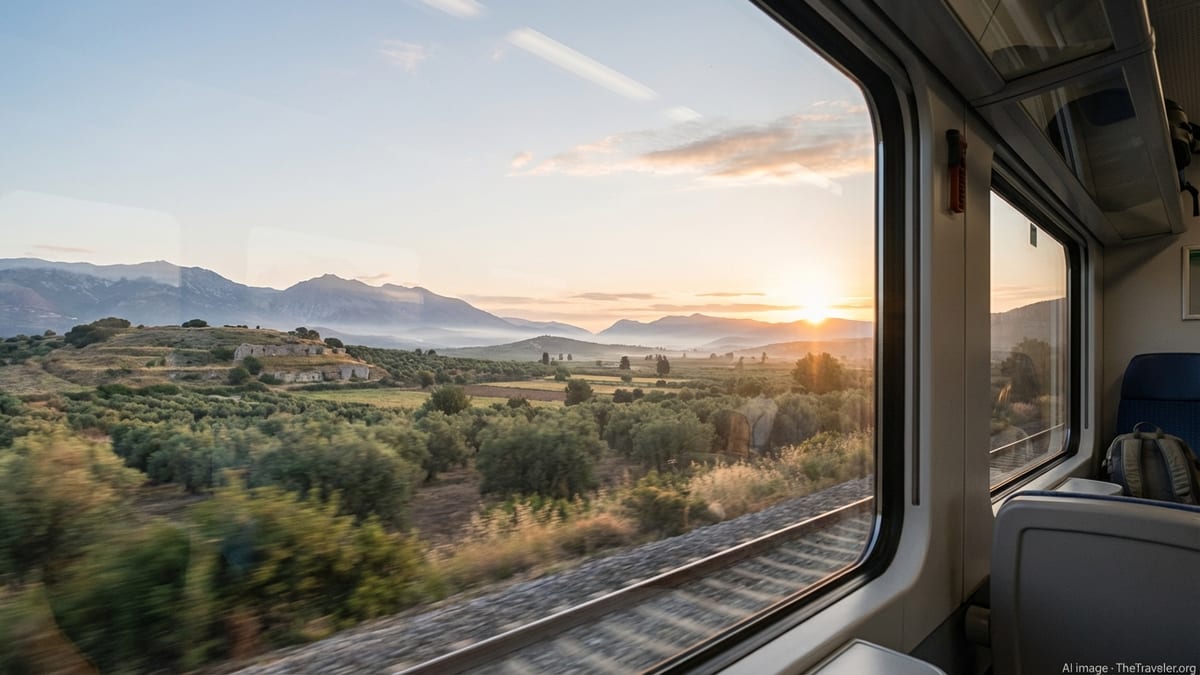
A Paradise Island Steps Out of the Shadows
Travel features from specialist operators and magazines are increasingly highlighting smaller Greek islands as a compelling alternative to the country’s most crowded hotspots. Among them, one Cycladic island long regarded by Greek holidaymakers as a well kept secret is now being positioned in destination dossiers as a place of “heartbreakingly beautiful” light, empty sands and low key village life, a contrast to the cruise ship bustle in larger hubs.
This shift comes as Greece records another year of record breaking visitor numbers and a measurable move away from a small number of heavily promoted islands toward a wider spread of destinations. Recent tourism analyses note that while Aegean icons still attract huge volumes, demand is rising fastest on islands where car traffic is limited, beaches remain largely undeveloped and traditional architecture dominates the skyline.
Within that context, the island featured in the latest dossier is being presented as emblematic of a new kind of Greek escape: pared back, human scaled and rooted in local rhythms rather than nightlife or large scale resorts. Images of turquoise shallows, whitewashed alleyways and fishing boats in pocket sized harbours are becoming powerful marketing tools for British and Greek travellers seeking a slower style of summer.
The dossier’s emphasis on seclusion and simplicity mirrors a wider recalibration in Mediterranean tourism, as destinations attempt to balance strong demand with concerns about crowding and environmental strain. For many visitors, the appeal now lies in places that still feel intimate and intensely personal, even as overall arrival numbers rise.
Rising British Demand Meets Greek Island Hometown Appeal
Greece remains one of Britain’s most popular overseas holiday choices, and travel data over the past two seasons shows UK visitors firmly among the country’s top tourism markets. Airlines and tour operators have responded with expanded programmes to Greek islands, pointing specifically to robust demand from British holidaymakers for smaller beach destinations and extended-shoulder-season travel.
At the same time, domestic tourism from within Greece has been recovering, with Greek residents increasingly returning to the islands outside the peak of July and August. On the island highlighted in the new dossier, this has translated into a subtly mixed crowd: British travellers drawn by glossy imagery and word of mouth, and Greek families and couples treating the island as a quiet home-from-home escape.
Local guesthouse owners and small taverna operators have adapted to this blend of visitors, maintaining an atmosphere that still feels distinctly Greek while responding to changing expectations around comfort and experience. The result, according to recent travel writing, is a place where British guests can slip into village routines of long lunches, late swims and evening strolls without feeling they are in a purely international resort bubble.
For both groups, the island’s appeal lies in its scale. Bays are small and easily reached on foot or by boat, villages remain compact, and there are few large hotels. That intimacy allows the landscape itself to take centre stage, reinforcing the “heartbreakingly beautiful” framing that has become central to the island’s new image.
From Overtourism Headaches to Low Key Cycladic Calm
Greece’s broader tourism story in 2025 and 2026 has been one of record arrivals alongside intense debate about how to manage success. Popular islands in both the Aegean and Ionian seas have wrestled with crowding, infrastructure pressure and concerns from residents about quality of life, especially during the peak summer weeks.
Against that backdrop, the island profiled in the destination dossier is being held up as a model of low key Cycladic calm. There is a modest port rather than a major cruise pier, a walkable main settlement instead of a sprawling resort strip, and a fabric of small family run accommodations instead of large all inclusive complexes. The absence of heavy infrastructure is precisely what is being marketed as a luxury in its own right.
Travel reporters note that British visitors who might once have defaulted to larger islands are increasingly prepared to connect via Athens or a regional hub and then continue onwards by ferry. That extra step, while adding travel time, filters arrivals toward those actively seeking quiet beaches, informal tavernas and unhurried evenings rather than packed beach clubs.
The Greek travellers choosing the island are often doing so for similar reasons. Many are opting for shoulder season stays in late spring or early autumn, when sea temperatures remain inviting but visitor numbers are lower, reinforcing a year round narrative of tranquillity that contrasts with the intense seasonality of other destinations.
Natural Beauty, Simplicity and the New Luxury
The latest destination dossier focuses heavily on the island’s landscapes, describing a coastline of pale sand coves, honey coloured cliffs and clear, shallow water that shades from aquamarine to deep blue. Inland, low hills threaded with walking paths connect small chapels, stone terraces and wind softened viewpoints, offering British and Greek visitors quiet alternatives to the beach.
This visual emphasis reflects a broader trend in Mediterranean marketing that positions natural scenery and perceived authenticity as the most desirable forms of luxury. Rather than foregrounding high rise hotels or elaborate spa complexes, coverage of the island highlights unpaved tracks, family owned fishing boats and simple, seasonal food served at tables a few steps from the sea.
For British travellers in particular, the island’s atmosphere of understatement aligns with a growing appetite for experiences that feel personal and unstage-managed. Many are seeking places where they can explore on foot, discover small bays without signage and encounter local life in village squares and harboursides rather than curated entertainment venues.
Greek visitors often bring a different but complementary perspective, reading the island’s quietness as a return to a style of holiday they associate with earlier decades of domestic tourism. For them, the appeal lies partly in familiarity, but also in the reassurance that some corners of the archipelago remain relatively unchanged despite rapid growth in international arrivals.
A Test Case for Greece’s Next Travel Chapter
The timing of the island’s rise is significant. Greece enters the middle of the decade with record visitor totals, a more diversified spread of destinations and ongoing discussions about how to sustain growth without eroding the very qualities that attract travellers. The destination dossier’s framing suggests that a carefully managed expansion of interest in smaller islands could be part of that answer.
By channelling demand from major markets such as Britain toward islands that favour small scale hospitality and low impact activities, planners and businesses hope to ease pressure on more fragile hotspots. The island in question, with its limited road network and small harbour, effectively enforces a natural ceiling on visitor volume, which in turn supports the slow living narrative being promoted in recent coverage.
For now, the balance appears delicate but promising. Flights, ferries and marketing campaigns are bringing more people to this heartbreakingly beautiful corner of the Cyclades, yet the core experience being sold to both British and Greek visitors remains one of space, silence and elemental scenery. How long that equation can hold will be closely watched across the Aegean, as Greece’s lesser known islands continue their transition from whispered recommendations to headline destinations.