


More news on this day
Raging wildfires in France’s Gironde department are forcing mass evacuations around Bordeaux and the Atlantic coast, as regional officials issue an unprecedented plea for tourists to avoid the area until the crisis is under control.
Get the latest news straight to your inbox!
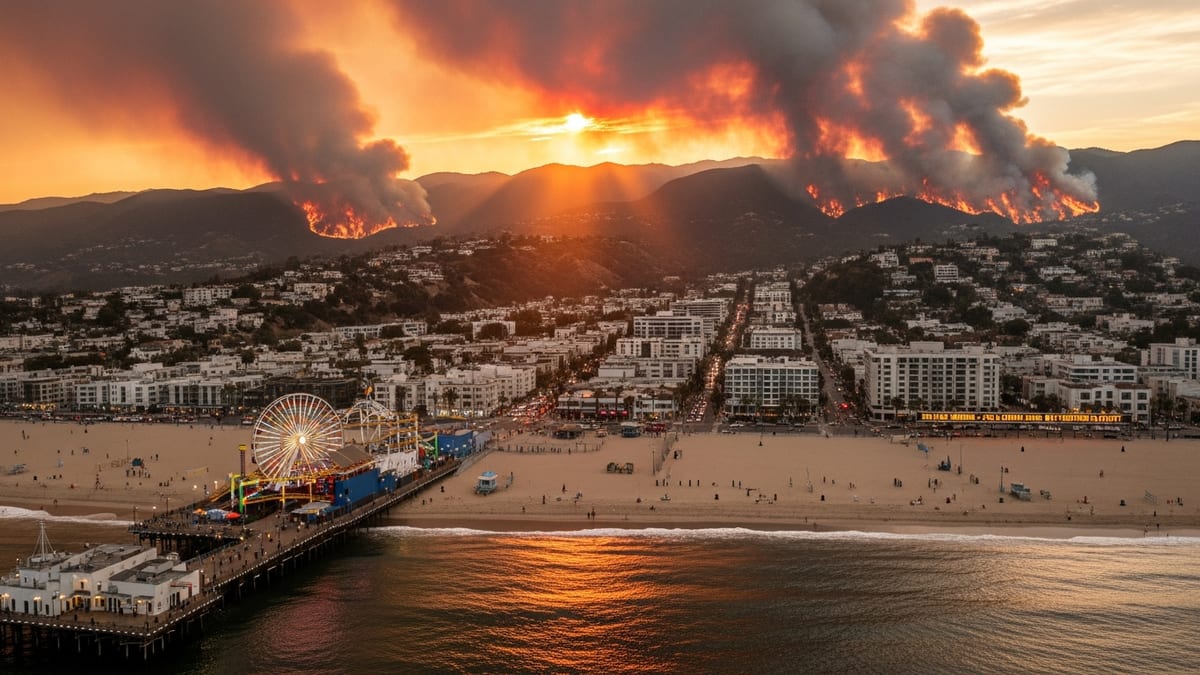
Uncontrolled fires push popular region to breaking point
Since July 22, wildfires have been burning through forest and scrub in southwestern France, particularly in Gironde and neighboring Landes, threatening communities from the outskirts of Bordeaux to the popular Arcachon Bay. Published coverage indicates that tens of thousands of residents and visitors have already been evacuated from coastal towns, lakeside resorts and rural villages as flames advance through the pine forests that underpin the region’s tourism economy.
Reports from French and international media describe walls of fire fanned by high temperatures, dry vegetation and shifting winds. Firefighters and civil protection teams have been redeployed from across France, with water-bombing aircraft and military transport planes dropping retardant to try to slow the most active fronts. Local accounts suggest that in some sectors the blaze has behaved like a “firestorm,” jumping firebreaks and complicating containment efforts.
Publicly available information shows that more than 100,000 hectares of land have burned across France so far this year, with Gironde now the epicenter of the crisis. Smoke plumes have drifted far beyond the immediate fire zones, affecting air quality in Bordeaux and other cities well outside the evacuation areas and adding to pressure on health and emergency services.
Prefect issues stark message: postpone travel to Gironde
Against this backdrop, the prefect of Gironde, Sophie Brocas, has issued one of the strongest travel appeals seen in France in recent years. According to French public broadcasters and regional outlets, Brocas has urged holidaymakers planning August trips to Gironde to delay their journeys, stressing that visitors should not come until the main wildfire has been contained.
Travel industry reporting notes that this message marks a clear shift from earlier guidance, which had encouraged tourists to maintain bookings while avoiding affected zones. The new warning effectively amounts to a request not to travel to the department at all in the short term, reflecting the severity and unpredictability of the fires as they edge closer to transport corridors and populated areas.
Regional tourism bodies are relaying the prefect’s call, advising that visitors who are already in the area consider relocating to other French destinations where infrastructure and emergency resources are under less strain. At the same time, local businesses are attempting to balance safety concerns with the financial shock of an abrupt drop in peak-season arrivals.
Transport disruption and evolving travel advice
The wildfire emergency is now rippling through France’s broader transport network. Coverage from national media and rail operators indicates that services around Bordeaux have been significantly disrupted, with some lines suspended and others operating reduced timetables due to damaged infrastructure, smoke and the need to keep tracks clear for emergency movements.
France’s national rail company has announced flexible policies allowing passengers to postpone or cancel journeys to the affected southwest region without additional fees. Travel media reports also highlight heavy congestion on alternative road routes as evacuees, seasonal workers and tourists attempt to leave high-risk zones or reroute long-planned itineraries.
Foreign travel advisories, including updated guidance from European governments, now flag Gironde and parts of Landes as areas of particular concern because of active fires, evacuation orders and degraded air quality. These bulletins generally recommend that travelers avoid non-essential trips to the immediate fire zones, monitor local news closely and be prepared to follow instructions from local services if conditions change.
Iconic Atlantic and wine destinations under threat
Gironde is one of France’s flagship tourism regions, stretching from the city of Bordeaux and its historic wine chateaux to the Atlantic coast’s dune-backed beaches and resort towns. Published coverage notes that fires have been burning near the Cap Ferret peninsula and around lake and forest areas south of Arcachon Bay, all magnets for domestic and international visitors in late July and August.
Evacuations have already taken place in several coastal and lakeside communities, with images from French outlets showing long lines of vehicles leaving narrow peninsulas and boats ferrying holidaymakers away from smoky piers. Inland, villages on the forest edge have seen rapid clearances as flames approached, sometimes with little advance notice beyond mobile alerts and local announcements.
While Bordeaux’s historic center remains outside the immediate fire perimeter, regional reporting suggests that contingency plans are being prepared in case the situation deteriorates further. Emergency services are focused on keeping key access roads open for evacuations and firefighting, a priority that underpins the prefect’s call for tourists to stay away rather than adding to the pressure on limited infrastructure.
What current and would-be visitors should do
For travelers who are already in Gironde, official advice referenced by European foreign ministries and regional authorities stresses the importance of staying informed and flexible. Visitors are encouraged to register with their embassy’s travel alert systems where available, keep mobile phones charged for potential emergency notifications and follow instructions from local services regarding evacuation routes, shelter points or temporary movement restrictions.
Those with upcoming trips are being urged by tourism and travel-industry sources to review cancellation and rebooking options with airlines, rail operators and accommodation providers. Many French and international companies have activated exceptional policies in light of the fires, allowing date changes or credits without penalties, particularly for travel scheduled in late July and early August.
Travel risk specialists advise that even areas not directly touched by flames can be affected by poor air quality, heat and road closures. Travelers weighing whether to proceed are being encouraged to consider health conditions that may be exacerbated by smoke, the likelihood of last-minute itinerary changes and the possibility that leisure activities such as hiking, camping or beach days may be curtailed by fire bans and safety measures.
The situation in Gironde is evolving quickly, and the prefect’s warning for tourists not to come underlines the exceptional nature of this wildfire season in one of France’s most visited regions. For now, postponing non-essential travel is being framed by local and national authorities alike as a practical way to ease the burden on services and reduce the number of people at risk as firefighters continue to battle the flames.