


More news on this day
With the Yom Tov travel season approaching, new reports of more than 70 heimishe immigration cases in a single month are prompting urgent reminders for travelers to carefully review their status and documents before boarding flights, even on domestic routes.
Get the latest news straight to your inbox!
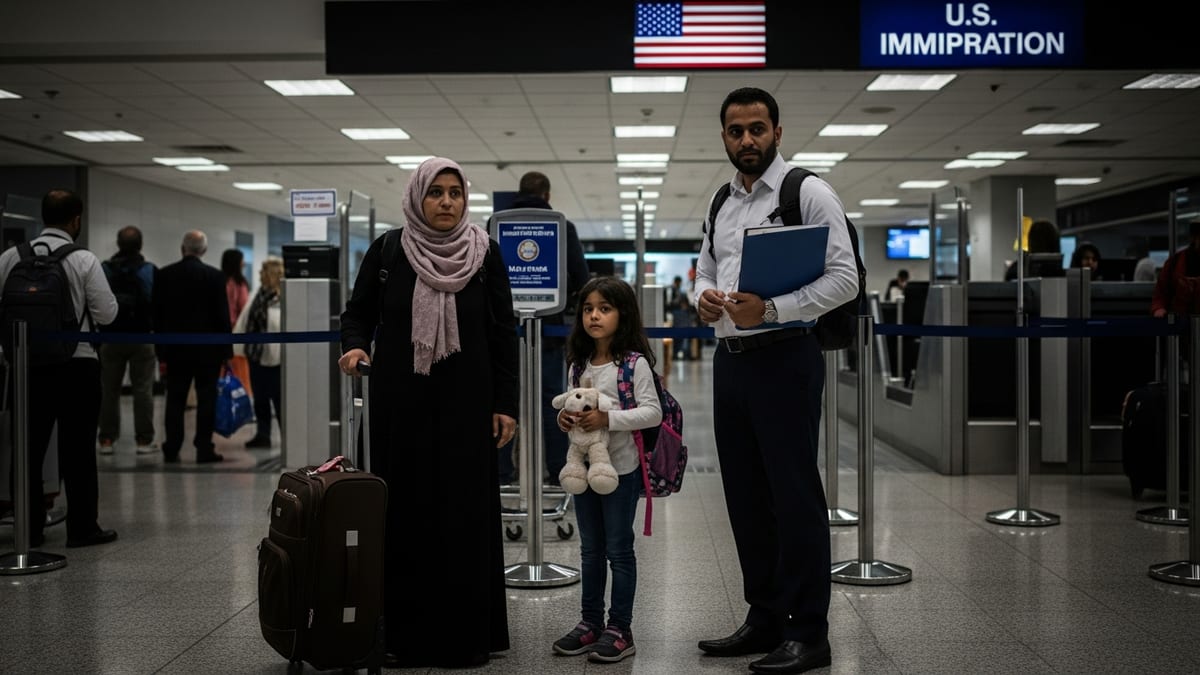
Spike in Cases Raises Concern Ahead of Holiday Travel
Recent coverage in frum media highlights an unusual spike in immigration complications affecting members of the heimishe community in the weeks leading up to the Yomim Tovim. One widely shared report describes community advocates dealing with more than 70 immigration-related incidents involving heimishe travelers in roughly a month, including cases of people being questioned, delayed, or detained at airports.
According to published accounts, some of these cases involved travelers who believed their paperwork issues were minor or dormant, only to discover at the airport that outstanding concerns were still active in government systems. Routine identity checks reportedly led to deeper reviews of historical visa overstays, lapsed statuses, or inconsistencies in prior filings.
The volume of incidents in such a short time frame has intensified concern within tight-knit Orthodox neighborhoods that typically see a surge in travel for Yom Tov family visits, simchos, and yeshiva schedules. Community-facing advisories emphasize that what might once have been treated as a technicality can now escalate rapidly at the airport checkpoint.
Domestic Flights No Longer Assumed “Safe” for Those With Issues
One striking element of the recent warnings is the focus on domestic travel inside the United States. Reports describe heimishe passengers on internal flights who were flagged during Transportation Security Administration screening or identity checks when underlying immigration issues surfaced in government databases.
Coverage on community news sites underscores that these encounters did not necessarily occur at international departure gates. In several accounts, travelers on routine domestic itineraries expecting an uneventful trip for a simcha or family visit instead faced secondary screening and extended questioning once an immigration concern appeared on screen.
Publicly available information from immigration practitioners notes that data sharing between security screeners and immigration authorities can permit additional checks even on domestic flights, particularly where prior violations, removal orders, or unresolved applications exist. The current wave of cases appears to reflect this closer coordination, turning what many assumed was a low‑risk setting into a possible enforcement touchpoint for those with problematic records.
Visa Overstays, Pending Cases, and Voting Issues Among Key Triggers
Reports circulating in the frum press point to several recurring themes in the latest batch of cases. Among the most common are historical visa overstays or ESTA overstays that were never formally resolved, long‑pending extensions or change‑of‑status applications, and discrepancies between a traveler’s current behavior and the original terms of admission.
Community articles caution that holding a receipt notice for a pending application does not automatically place a person in a secure status from an enforcement perspective. Each case is fact‑specific, and airport encounters may bring to light issues that were not immediately obvious to the traveler, such as gaps between periods of lawful stay, missed deadlines, or conflicting information in prior filings.
Another sensitive topic highlighted in recent coverage involves non‑U.S. citizens who registered to vote or cast a ballot in American elections. Explanatory materials from immigration lawyers and advocacy groups stress that voting issues can carry especially serious immigration consequences and may emerge during background checks for travel, immigration benefits, or naturalization. Some of the newly reported airport incidents reportedly involve green card or visa holders whose past voter registration has come under renewed scrutiny.
Advisories Urge Legal Review Before Booking Yom Tov Trips
Against this backdrop, community advisories ahead of Yom Tov are centering on a single message: anyone with doubts about their immigration history should seek professional guidance before traveling. Notices circulating in frum outlets and communal channels urge individuals who have overstayed a visa, changed status, switched employers, or received confusing correspondence from immigration agencies to have their situation reviewed by a qualified attorney.
General guidance from public immigration resources highlights that airports function similarly to land borders and seaports, with broad authority for federal personnel to ask questions, verify status, and act on existing orders or database alerts. For travelers whose status is incomplete, uncertain, or dependent on pending applications, these powers can translate into sudden travel disruptions if issues are left unaddressed.
Community‑oriented materials also remind households that mixed‑status families are common, and a relative with unresolved paperwork can be the one questioned or delayed even if other family members are citizens or permanent residents. As Yom Tov itineraries increasingly involve multi‑segment journeys, connecting flights, and travel through busy hubs, early legal review is being framed as a protective step rather than an optional formality.
Global Context: Heightened Screening of Religious Travelers
The communal concern over heimishe immigration cases is emerging in a broader climate of heightened scrutiny at border crossings and airports. Travel guidance published for Jewish communities in North America and Israel in recent years cites an environment in which security agencies pay close attention to documentation, prior infractions, and database flags, regardless of the religious background of travelers.
Information provided by U.S. and Israeli authorities for travelers to and from Israel notes that all passengers remain subject to detailed security and immigration checks on entry and exit, which may include extended questioning and inspection of documents. International advisories further stress that noncitizens who run afoul of immigration rules can face denial of entry, removal, or other consequences if problems are uncovered in the course of routine screening.
Parallel coverage in Israeli Hebrew‑language media ahead of pilgrimage travel, such as pre‑Rosh Hashanah trips to Uman, has highlighted cases in which individuals with outstanding military or legal obligations were prevented from boarding at Ben Gurion Airport after information‑sharing systems flagged their status at the check‑in desk. While these reports concern different legal frameworks, they underline a common trend of tighter coordination between databases and airport procedures.
Caution, Not Panic, for Heimishe Families on the Move
For many heimishe families, Yom Tov travel remains an essential part of religious and communal life, whether to reunite with relatives, attend weddings and bar mitzvahs, or bring children home from yeshiva. The latest warnings do not suggest that individuals with clear, current status should avoid airports altogether, but they do aim to reset expectations for those whose immigration histories are complex.
Reports emphasize that problems are most likely to arise when unanswered questions linger in the background: unresolved overstays, unclear outcomes of prior applications, or steps taken years ago without a full understanding of the immigration implications. In the current enforcement climate, leaving such matters unattended can transform a family’s Yom Tov journey into a high‑stakes legal encounter at the gate.
As the Yomim Tovim draw near, community advisories are therefore encouraging travelers to take practical steps within their control. That includes verifying that passports and visas are valid for the full duration of travel, understanding the terms of any pending immigration case, and seeking professional advice where uncertainty exists. For heimishe households aiming to reach their destinations in time for candle‑lighting and holiday meals, the message is that advance preparation may be as important as the ticket itself.
Yeshiva World News: Travel Warning Ahead of Yom Tov
TheTraveler.org: Askonim Warn Frum Travelers After Immigration Incidents
U.S. State Department: Israel, West Bank, and Gaza Travel Information
Kikar HaShabbat: Exit Order Enforcement at Ben Gurion Check‑in