


More news on this day
Escalating military exchanges between the United States and Iran over the past 48 hours have pushed regional tensions back into sharp focus, with new strikes reported around the Strait of Hormuz and retaliatory attacks across the Gulf, prompting fresh concern among residents and travelers in the United Arab Emirates on September 2, 2026.
Get the latest news straight to your inbox!
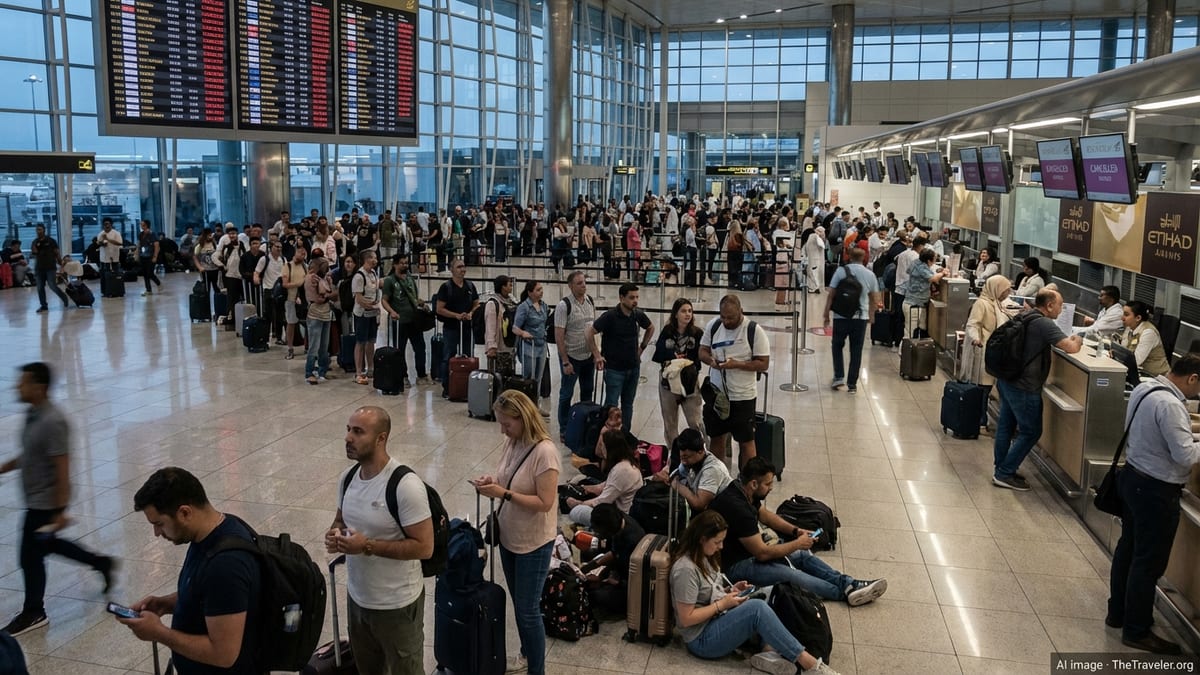
Situation update: Strikes, retaliation and a fragile Gulf
Publicly available reports indicate that the United States carried out new strikes on Iranian targets on August 31 and September 1, focusing on radar and missile capabilities near the Strait of Hormuz, including launchers on Iran’s Larak Island close to key shipping lanes. In response, Iran has fired missiles and drones at sites across the region, including locations in Gulf states that host US forces, after several weeks of relative military quiet.
Coverage from international news agencies and regional outlets on September 2 describes this as the most significant exchange of fire in weeks, effectively ending a monthlong lull in direct hostilities. The latest round of attacks follows earlier phases of the 2026 Strait of Hormuz crisis, when Iran declared the waterway closed and the US began escorting commercial vessels. Analysts now describe a pattern in which short pauses are followed by concentrated bursts of military activity.
The renewed confrontation has come as Washington signals it is prepared to continue limited but targeted operations in and around Hormuz to deter threats to shipping, while Tehran has warned it will seek to prevent oil exports from the Gulf if pressure continues. This dynamic has left the waterway open to some traffic but subject to sudden disruption, heightening concern for states that depend on its smooth functioning, including the UAE.
For residents in the Emirates, the immediate impact remains largely indirect, with daily life continuing and no widespread public restrictions in major cities. However, the risk environment has become more volatile, particularly with regard to aviation, maritime trade and the possibility of sporadic drone or missile incidents targeting military or energy infrastructure in the wider region.
Travel advisories and what they mean for UAE-based travelers
Recent updates to foreign government travel advisories highlight how international authorities currently assess the situation in the UAE. A mid‑August update from the United States advises travelers to reconsider travel to the UAE due to terrorism and armed conflict, citing the onset of hostilities between the US and Iran on February 28 and the ongoing threat of drone and missile attacks, as well as potential disruptions to commercial flights. That advisory also notes that high‑profile public venues and transport hubs could be potential targets.
Australia’s latest guidance, current as of September 2, similarly advises people to reconsider their need to travel to the UAE because of the regional security environment and warns that heightened tensions with Iran could increase the risk of attacks on Western interests. The advisory encourages travelers already in the country to stay alert, follow local security messaging and be prepared for changes to flight schedules or airspace closures if the situation worsens.
The United Kingdom’s travel advice, updated on August 31, underlines that despite a memorandum of understanding announced in June aimed at managing aspects of the conflict, the broader Middle East remains unpredictable. The guidance for British nationals in the region highlights the potential for flight cancellations, periodic airspace restrictions and elevated security measures at airports and public locations as a result of recent US and Iranian strikes and retaliatory attacks.
For UAE residents planning trips, these advisories do not mandate a halt to most travel, but they signal that additional caution is warranted. Travelers are encouraged by official sources to maintain flexible itineraries, confirm bookings close to departure and monitor airline and government channels for notice of any sudden disruption linked to regional events.
Restrictions on travel to Iran and nearby hotspots
While the UAE continues to welcome the majority of international visitors, its own foreign policy position toward certain conflict‑affected states has hardened since the war began. On April 30, the UAE Ministry of Foreign Affairs announced a formal ban on UAE nationals traveling to Iran, Lebanon and Iraq, citing security concerns. Subsequent travel‑update pages reiterate that citizens are prohibited from visiting the Islamic Republic of Iran and direct anyone with questions to contact Emirati embassies or use official consular services.
These measures apply primarily to UAE nationals rather than expatriate residents, but they underscore how seriously Emirati authorities regard the security implications of the US–Iran conflict. Airlines and travel agencies operating out of the country have already scaled back or suspended direct connections to some higher‑risk destinations over the course of 2026, and foreign advisories note that the regional aviation map remains fluid.
For non‑citizen residents considering travel to Iran or neighboring states, foreign ministries in their home countries often strongly discourage such trips in the current environment. Several Western governments have highlighted the possibility of arbitrary detention, limited consular access and the risk of collateral damage from nearby military activity. UAE‑based travelers are therefore advised by international guidance to review their own government’s latest warnings alongside any UAE‑specific restrictions before finalizing plans.
Within the Emirates, airports and major carriers continue to operate extensive global networks, but routings may be adjusted to avoid higher‑risk airspace when tensions spike. Publicly available aviation notices and airline statements recommend allowing extra time for security checks and being prepared for extended flight times on some routes if detours are required.
Impact on oil markets, cost of living and the travel economy
The resumption of strikes has quickly filtered through to global energy markets. Benchmark Brent crude prices climbed above 90 US dollars per barrel at the start of the week, with financial news outlets reporting daily gains of more than 4 dollars a barrel on September 1 as traders reacted to renewed fighting near the Strait of Hormuz and warnings from Tehran about blocking exports. Market commentary links these moves directly to fears of supply disruption from a waterway that ordinarily handles about one‑fifth of world oil shipments.
Earlier in the year, economic research institutions documented how the 2026 Middle East war produced one of the steepest oil price increases in recent decades, with prices peaking in early April after Iran declared Hormuz closed. While prices eased during late June and July amid talk of ceasefires and partial reopenings, the latest escalation has revived concerns that volatility could persist well into 2027, with knock‑on effects for inflation, interest rates and global growth.
For residents in the UAE, this translates into potential upward pressure on fuel, transportation and imported goods over time, even if domestic fuel pricing policies temper the immediate shock. International financial coverage notes that major US stock indexes weakened on September 1, in part because higher oil prices stoked worries about stubborn inflation, underlining how developments in the Gulf reverberate through global markets that shape borrowing costs and investment flows.
The travel and hospitality sector in the Emirates, a key pillar of the country’s non‑oil economy, is watching these trends closely. While visitor numbers remained resilient through earlier phases of the crisis, tour operators and hoteliers are now assessing how renewed headlines about missile exchanges and shipping threats might influence traveler sentiment during the remainder of 2026, particularly among risk‑averse holidaymakers and corporate clients.
Practical guidance for UAE residents and visitors today
Despite the heightened regional tensions, daily life in the UAE’s main cities continues largely as normal, with no new nationwide emergency measures reported as of the morning of September 2. However, recent foreign travel advice and maritime security bulletins provide a set of practical considerations for those living in or visiting the country while the US–Iran conflict remains active.
Maritime security advisories from the United States Department of Transportation and associated agencies continue to warn commercial shipping operators about Iranian threats to vessels in the Persian Gulf, Strait of Hormuz and Gulf of Oman. These notifications advise shipowners and crews to exercise extreme caution, maintain close contact with regional naval coordination centers and be prepared for changes to routing. While these documents are primarily aimed at the maritime industry, they underscore the sensitivity of sea lanes that underwrite much of the UAE’s trade and energy exports.
For individuals on shore, foreign government guidance recommends monitoring reputable news outlets and official channels for updates on airspace status, missile or drone incidents and any changes to local security postures. Travelers are advised to keep their passports and essential documents easily accessible, maintain contact details for their embassies, and register with consular services where such programs exist, in case of sudden deterioration in the security environment.
Residents are also encouraged by international advisories to stay aware of their surroundings, particularly near high‑profile venues, and to follow any instructions that may be issued through UAE’s official alert systems. While the likelihood of a direct incident in any specific location remains difficult to quantify, recent experience in the Gulf has shown that the regional security picture can shift quickly in response to developments between Washington and Tehran.
US Department of State – United Arab Emirates Travel Advisory
UK Foreign, Commonwealth & Development Office – UAE travel advice
Australian Smartraveller – United Arab Emirates travel advice
US Maritime Administration – Persian Gulf and Strait of Hormuz maritime advisory
Al Jazeera – Oil prices climb as US–Iran attacks stoke fears of escalation