


Westgate Resorts is one of the most visible timeshare and resort brands in the United States, with properties in Orlando, Las Vegas, the Smoky Mountains and several beach and ski destinations. Guest feedback on Westgate is sharply mixed. Some visitors praise roomy villas, water parks and convenient locations, while others describe aggressive sales tactics, billing surprises and maintenance issues. Understanding those patterns before you book can make the difference between a smooth family vacation and a stressful stay.
Get the latest updates straight to your inbox!
Who Westgate Resorts Are Really For
Westgate Resorts operates more than two dozen properties across the United States, from Westgate Lakes Resort & Spa near Walt Disney World in Orlando to Westgate Las Vegas Resort & Casino just off the Strip. The company is primarily a timeshare operator, but most properties also sell regular nightly stays, so guests might be owners using “their” week, renters who booked through Westgate’s website, or travelers who grabbed a discounted promo stay in exchange for attending a sales presentation.
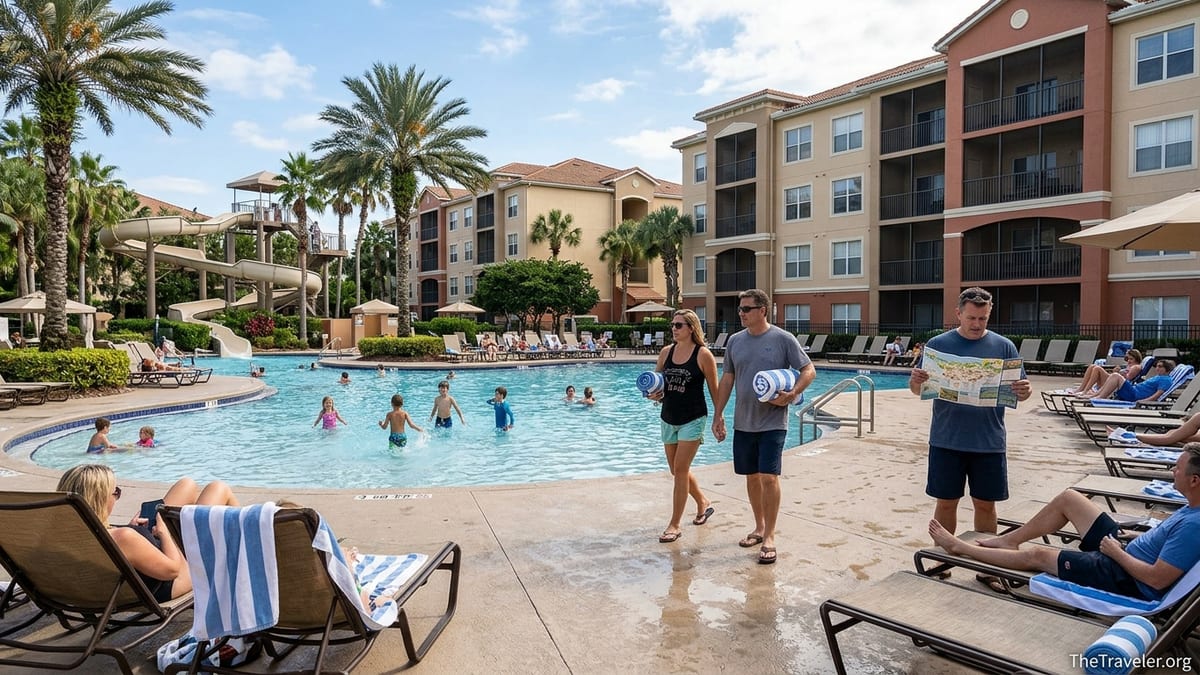
Many satisfied reviews come from larger families or multigenerational groups who value space over luxury. A two-bedroom villa at Westgate Lakes, for example, can sleep six to eight people and includes a full kitchen, laundry and a balcony, often for a nightly rate comparable to or lower than a single standard room at an on-site Disney hotel. Families who cook breakfast in the room and use the resort as a base for theme park days often feel they get solid value, especially when kids can burn energy at the pools and on-site water parks.
On the other hand, travelers who expect a traditional hotel experience with full daily housekeeping, seamless front-desk service and minimal sales contact can be disappointed. Westgate behaves like a timeshare first and a regular hotel second. That affects everything from check-in flow to how often housekeeping visits. Guests used to full-service brands such as Marriott or Hilton sometimes comment that the overall feel is more like a vacation condo complex than a classic resort, particularly at high-volume locations in Orlando.
This split makes Westgate best suited to travelers who are very price-conscious on a per-person basis, are comfortable in condo-style accommodations and are prepared to say no firmly to any timeshare sales encounters. Those looking for a quiet couples’ retreat or ultra-polished luxury stay may want to consider more traditional resorts in the same destinations.
What Guests Consistently Like
Across major review platforms, several positives come up repeatedly for Westgate Resorts. The first is unit size. At properties like Westgate Lakes and Westgate Town Center in Orlando, guests comment on having separate bedrooms, living areas and full kitchens for less than the cost of booking two standard hotel rooms nearby. For a family of five driving in from another state, being able to spread out and prepare some meals in-room can dramatically reduce both stress and trip costs.
A second strong point is on-site amenities. In Orlando, reviewers frequently mention Shipwreck Island Water Park at Westgate Town Center, describing lazy rivers, multi-story slides and splash zones that can fill an entire non-park day. In Gatlinburg, Westgate Smoky Mountain Resort draws praise for its indoor water park and mountain views, with some guests noting that children were happy to spend full afternoons in the wave pool rather than heading back into town. In Las Vegas, proximity to the Las Vegas Convention Center and a monorail station just outside the Westgate entrance are highlighted as practical advantages for trade show attendees and travelers who want Strip access without being in the middle of it.
Many positive reviews also single out individual staff members. Guests mention front-desk employees who arranged late check-outs at no charge, housekeepers who quickly delivered extra towels and blankets, or security staff who helped locate misplaced items. At Westgate Las Vegas, several recent comments applaud restaurant servers and bar staff in the sports book for friendly, efficient service even during busy game days, which softens otherwise lukewarm impressions of the aging building.
Finally, guests who book carefully priced promotions and do not engage with sales presentations often feel they got a very good deal. A family who booked a three-night promotional package in Orlando for under 300 dollars including a two-bedroom villa and water park access, then skipped optional add-ons, described the stay as “excellent value” even though décor felt dated in spots. The key in their account was arriving informed about resort fees, parking charges and presentation invitations, and declining anything that did not fit their plan.
Common Complaints: From Maintenance to Billing Surprises
Complaints about Westgate are as consistent as the praise, and they tend to fall into a few clear categories. Maintenance and cleanliness issues are frequently mentioned, especially at large, older complexes in Orlando. Guests describe stains on carpets, worn furniture, malfunctioning air conditioners and slow responses to service requests. At Westgate Lakes, for example, several reviews in 2025 and 2026 note units with chipped tile in bathrooms and sliding doors that did not close smoothly, worth considering if you are expecting a recently renovated look.
Noise and crowding are another source of frustration. During peak seasons like spring break or July in Orlando, some guests report long waits for check-in, congested parking near popular buildings and noisy hallways late at night. In Las Vegas, reviewers sometimes mention thin walls and hallway noise from convention groups returning late. Families traveling with small children or light sleepers may want to request quieter buildings away from main pools, elevators and bars, even if that means a longer walk.
Billing and fee complaints appear in many negative reviews. At Westgate Las Vegas, for instance, the posted resort fee can be more than 40 dollars per night plus tax for standard guests, on top of nightly room rates. Some trade show contracts or promotional offers reduce or waive that fee, but guests who do not double-check the fine print sometimes feel blindsided at checkout when charged several hundred dollars in resort fees and parking over a multi-night stay. At other properties, guests have reported charges for optional services such as room safes or phone calls they did not realize were extra.
A final recurring theme in complaints is inconsistent customer service when things go wrong. While some guests report quick resolution and fee reversals when they call the front desk, others say they spent weeks emailing corporate offices or disputing charges with credit card companies. On consumer complaint sites and with the Better Business Bureau, owners and guests have described long back-and-forth exchanges about maintenance fees, cancellation policies and promotional trip terms. That variability suggests that escalation results may depend heavily on which staff member you reach and how clearly your reservation terms are documented.
Timeshare Sales Pressure: What to Expect in Practice
No aspect of Westgate generates more passionate reviews than its timeshare sales operation. Many guests encounter it for the first time by accepting a heavily discounted stay or a cash or gift card incentive in exchange for attending what is described as a brief resort tour or 90-minute presentation. In reality, numerous first-hand accounts report being in presentations for three or more hours, with multiple managers rotating in, persistent price drops and emotional sales pitches focused on family memories and “once-in-a-lifetime” pricing.
At Westgate Lakes and Westgate Town Center, guests on recent trips have described being offered promotional tickets to nearby theme parks in exchange for attending a presentation the next morning. Those who accepted often reported feeling cornered when the sales pitch shifted from a friendly breakfast to a hard sell, including statements that prices would never be this low again, that maintenance fees would be offset by rental income, or that they could easily resell or cancel later. Some owners who later tried to exit their contracts have posted complaints online saying those assurances were not backed up in writing.
That said, not every guest has a negative interaction. Some report that after one or two firm refusals, staff concluded the pitch and provided the promised incentives. Others note that guests who are clear at check-in that they are not interested in any presentations are mostly left alone, aside from a courtesy call inviting them to a breakfast or “upgrades meeting.” The trouble tends to arise when visitors feel social pressure to attend, come unprepared for the intensity of the pitch, or misunderstand that they are under no obligation to buy.
If you choose to accept a discounted stay tied to a sales tour, go in with tight boundaries. Plan a specific end time, tell the first representative you speak with that you will not purchase anything that day under any circumstance, and bring a clear understanding of your budget and travel patterns. If the presentation runs significantly over the agreed time, be prepared to stand up politely and leave. Several guests who did this later reported that staff backed down quickly once it was clear they would not sign that day.
Family Value vs Hidden Costs
On paper, Westgate can look like a strong value for families. A three-night stay in a one-bedroom villa near Orlando in off-peak months might price around 150 to 200 dollars per night before taxes and fees, with space for four and kitchen facilities. Compared with paying similar rates for a single room at a midrange chain closer to the theme parks, parents often appreciate the ability to put kids to bed in a separate room and relax in the living area or on the balcony.
However, guests frequently warn that value depends heavily on paying attention to extras. Resort fees, parking charges, daily Wi-Fi upgrades, water park admission at some properties and housekeeping add-ons can add 30 to 60 dollars or more per day to the base rate. For example, a family expecting to spend 180 dollars per night might end up closer to 240 dollars per night once resort fees and taxes are included, shrinking the perceived savings versus a more traditional hotel that bundles amenities into the nightly rate.
Food and beverage spending can also alter the value equation. At Westgate Las Vegas, on-site restaurants range from casual pizza and burger outlets to higher-priced steakhouses, and guests note that while options are convenient, prices are similar to or higher than those directly on the Strip. In Orlando and the Smoky Mountains, on-site market prices for basics like milk, snacks and sunscreen tend to be higher than nearby supermarkets, so families who stock up at big-box stores before checking in often feel better about their final trip budget.
The best financial experiences reported come from guests who approach Westgate like a self-catering condo: bringing breakfast supplies, setting a daily limit on restaurant meals and factoring in all anticipated fees before booking. Travelers who expect an all-inclusive feel or assume advertised nightly rates are close to the final cost are more likely to feel nickel-and-dimed by the end of their stay.
How Westgate Compares to Other Resort Brands
When travelers debate whether to book Westgate or a traditional hotel brand, the conversation usually centers on space versus service. Compared with an on-site theme park hotel or a convention-focused high-rise, Westgate’s villas typically offer much larger square footage and more home-like amenities at a similar or slightly lower nightly rate. This can be attractive if you are traveling with children, grandparents or friends who prefer separate sleeping areas and the ability to prepare simple meals.
By contrast, major hotel brands often deliver more predictable service standards and fewer sales encounters. At a typical resort operated by a global chain, you are unlikely to be invited to a timeshare presentation or approached in the lobby about “owner updates.” Housekeeping tends to be more routine, and front desks are often better staffed during peak arrival times. Guests who prioritize effortless check-in, daily room refreshes and consistent elite-program recognition sometimes find Westgate’s model frustrating.
Westgate also sits in a crowded field of independent condo-style resorts, especially in Orlando and Las Vegas. Some of these competitors operate purely as hotels or vacation rentals, without timeshare sales at all. Reviews suggest that while Westgate may offer more amenities in some locations, it also carries more baggage in terms of aggressive marketing. For example, a guest deciding between Westgate Lakes and a non-timeshare condo resort a few miles away might weigh water park access and on-site bars against the likelihood of repeated invitations to attend sales events.
Ultimately, Westgate tends to work best for travelers who intentionally trade some classic hotel polish for extra space and resort-style features. If you are allergic to sales pressure or want minimal friction, you may be happier booking a traditional hotel room or an independently managed vacation rental, even if that means a smaller space or fewer on-site activities.
Smart Booking Strategies and On-Property Tips
If you decide Westgate fits your needs, a few practical steps can improve your stay significantly. First, be meticulous about reading rate details before you pay. Confirm whether resort fees and parking are included or additional, whether Wi-Fi is complimentary for all devices and whether any water parks or special amenities require extra admission. Screen captures or saved confirmation emails that show your understanding of the total cost can be useful if any surprises appear on the bill at checkout.
Second, think carefully before accepting promotional packages tied to timeshare tours. A common offer is three nights in a one-bedroom villa for under 200 dollars, plus attraction tickets or a prepaid card, in exchange for attending a “short” presentation. For some disciplined travelers, this can indeed be great value. For others, the stress of a high-pressure sales environment outweighs the savings. If you are already anxious about saying no or worry you might sign something you will regret later, it may be wiser to book a standard rate or choose a different property entirely.
On arrival, clarify your preferences immediately. At check-in, let staff know you are not interested in any sales presentations or owner updates and ask that your number be placed on a do-not-call list for marketing during the stay. Request a unit away from main pools, bars and elevators if you are concerned about noise. Families with strollers or mobility concerns may prefer lower floors or buildings closer to parking, since some complexes are spread out and internal shuttles can be slow at peak times.
Finally, keep a running record of any issues and resolutions. If something in your unit is not working, call the front desk promptly and note the time and name of the person you spoke with. Take photos of any serious maintenance or cleanliness problems on arrival. If charges appear on your folio that do not match your expectations, address them before checkout when the resort still has the easiest ability to correct them. Guests who calmly but firmly handle problems while still on property generally report better outcomes than those who wait to dispute everything weeks later with corporate offices or banks.
The Takeaway
Westgate Resorts deliver a very specific type of vacation experience. At their best, these properties offer spacious villas, kid-pleasing amenities and convenient locations for a price that can make ambitious family trips feasible. Many guests leave happy, with children begging to return to the water park or thrilled about monorail access in Las Vegas or mountain views in Gatlinburg.
At their worst, stays are overshadowed by worn furnishings, unexpected fees and timeshare pitches that feel pushy or misleading. The same elements that make Westgate profitable as a timeshare company, from aggressive marketing to layered fee structures, are the ones that generate some of the most intense negative reviews online.
For travelers who walk in with eyes open, Westgate can be a reasonable option. The key is to understand that you are choosing a timeshare-style operation, not a traditional hotel; to calculate the full cost including fees and extras; and to set firm personal limits around sales interactions. If you prefer a frictionless, low-contact resort stay, or if high-pressure pitches are a deal-breaker, then other brands may align better with your expectations.
If you are willing to trade a bit of polish for space and amenities, and you are prepared to say no when needed, Westgate can still deliver the core of what most guests ultimately want: a comfortable home base for making vacation memories with the people they care about.
FAQ
Q1. Are Westgate Resorts good for families with young children? Westgate properties can work well for families because many offer multi-bedroom villas, full kitchens and kid-focused amenities like water parks and game rooms. Parents who plan to spend time on-site between theme park or sightseeing days often appreciate having space for naps and early bedtimes. The main trade-off is dealing with potential sales invitations and busier common areas during peak school holidays.
Q2. Will I be forced to attend a timeshare presentation if I stay at Westgate? You are not legally required to attend a timeshare presentation just because you booked a regular room or villa. However, if you accepted a discounted promotional stay or extras such as attraction tickets in exchange for attending a presentation, there will be strong pressure for you to show up. Guests who book standard rates can usually avoid presentations by declining invitations at check-in and on follow-up calls.
Q3. How long do Westgate timeshare presentations really last? Although presentations are often advertised as lasting about 90 minutes, many guests report being in the process for two to four hours once tours, paperwork and conversations with multiple managers are included. If you do attend, it is wise to schedule it at a time when you are not rushing to parks or shows and to set a firm personal end time in advance.
Q4. Are the resort fees at Westgate worth it? Whether resort fees feel worthwhile depends on how much you use included amenities such as pools, fitness centers and Wi-Fi. Guests who mainly sleep in the room and spend days elsewhere often feel frustrated by daily fees that can add dozens of dollars per night. Those who spend time at the resort, use multiple pools and rely on on-site facilities tend to view the fees as part of the overall package, though still higher than they would prefer.
Q5. How can I avoid surprise charges on my Westgate bill? The best way to avoid surprises is to read your booking confirmation carefully, ask the front desk to review all daily fees at check-in and check your folio mid-stay. Decline optional paid services you do not need, such as certain housekeeping packages or in-room safes, and clarify in advance whether parking, Wi-Fi and water park access are included. Address any discrepancies before you check out, when adjustments are easiest.
Q6. Is it safe to buy a Westgate timeshare during a vacation? Buying any timeshare during a high-pressure presentation is rarely wise, because it is difficult to fully compare costs and alternatives in that setting. If you are seriously considering ownership, take all documents, decline to sign on the spot and research resale prices and annual maintenance fees later. Many travelers find that renting villas when needed offers similar space and comfort without a long-term financial commitment.
Q7. How do Westgate Resorts compare to renting a vacation home? Westgate offers more hotel-like services than a typical standalone vacation rental, including front-desk support, on-site maintenance and resort amenities like pools and restaurants. Vacation homes, by contrast, can provide more privacy and a more residential feel, often without sales pressure or resort fees. The right choice depends on how much you value structured facilities versus independence and quiet.
Q8. Are Westgate properties accessible for guests with mobility issues? Many Westgate resorts have accessible units and elevators, but experiences vary by property and building. Because some complexes are spread over large areas and built on hills or lakesides, it is important to request accessible or ground-floor units well ahead of time and confirm details with the property directly, especially if you use a wheelchair or have limited stamina for long walks.
Q9. Can I get daily housekeeping at Westgate like a normal hotel? Housekeeping at many Westgate properties is not automatically daily for standard stays, and some services may carry additional fees or be offered on specific schedules. If daily full-service cleaning is important to you, ask about housekeeping frequency and any associated costs before you finalize your booking, and confirm again at check-in so expectations match what will actually be provided.
Q10. Is Westgate a good choice for business travelers or convention attendees? For business travelers, Westgate can be convenient in specific locations, such as the Las Vegas property adjacent to the convention center and monorail. However, some business guests find the timeshare focus, resort fees and occasional marketing calls distracting. If you need a quiet base, fast check-in and consistent loyalty program benefits, a traditional business hotel may suit you better, though Westgate’s larger rooms can be appealing for longer stays.