


Beyoğlu is where many visitors fall in love with Istanbul: historic lanes above the Golden Horn, rooftop bars facing the Bosphorus, tram bells on İstiklal Avenue and late-night meyhanes tucked into side streets. For first-time visitors, though, choosing exactly where to stay inside Beyoğlu can be confusing. Galata, Taksim, Cihangir, Karaköy, Şişhane and Pera all sit close together yet feel very different in noise levels, nightlife, views and transport connections. This guide breaks them down, with concrete examples and practical advice to help you pick the right base for your trip.
Get the latest updates straight to your inbox!
How to Choose the Right Part of Beyoğlu
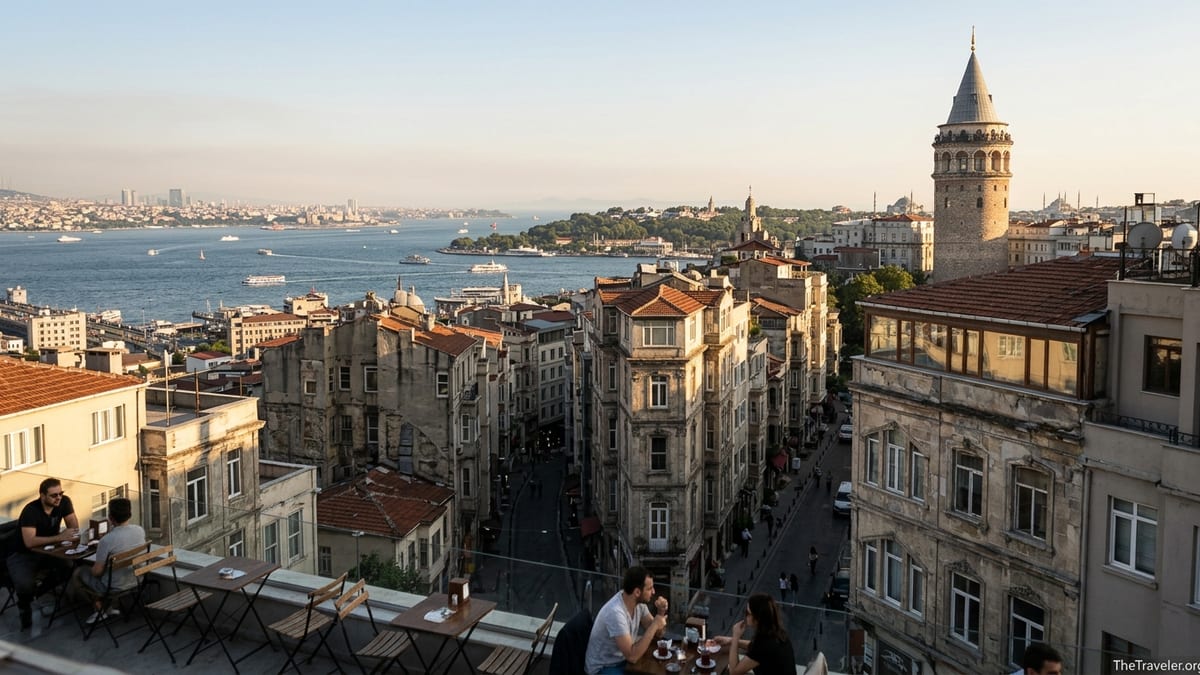
Think of Beyoğlu as a compact hill above the Golden Horn, with each neighborhood offering a slightly different version of Istanbul. Karaköy sits on the waterfront near the Galata Bridge, Galata and Şişhane climb the hill above it, Pera spreads along the upper section of İstiklal Avenue, and Taksim crowns the hill to the north. Cihangir spills down the slope toward the Bosphorus on the western side. Distances are short, but your daily experience can vary a lot depending on where you sleep.
When choosing an area, it helps to rank what matters most: quiet nights or being in the heart of the action; Bosphorus or city views; flat streets or steep climbs; and how quickly you want to reach Sultanahmet, Galataport or the Asian side. For instance, a couple visiting for three days who plan to sightsee all day and enjoy one or two relaxed dinners will usually be happier in Galata or Şişhane than right on Taksim Square, while a group of friends in town for nightlife may prefer Taksim or lower Pera.
Budget will also influence your choice. Around Karaköy and Galata you will find many mid-range boutique hotels and restored townhouses, while Taksim still has several traditional business-style hotels and chain properties that sometimes price slightly lower outside peak summer and holiday weeks. Cihangir and parts of Pera lean more toward apartment-style stays and design-led boutiques that appeal to longer-stay and creative travelers.
Transport access is a final practical factor. For quick links to Sultanahmet, the T1 tram from Karaköy is hard to beat. For airport buses and metro lines that cross the city, Taksim is the main hub. Galata and Şişhane sit in the sweet spot: within walking distance of both tram and metro, yet often quieter at night than Taksim itself.
Galata: Atmospheric Lanes and Classic Views
Centered on the medieval Galata Tower, this area is one of the most atmospheric corners of Beyoğlu. Narrow cobbled streets, small wine bars, design shops and steep staircases give it a distinct personality. It feels busy in the daytime with visitors heading up to the tower, then shifts into a softer, café-and-bar mood at night. The lanes immediately around the tower can be lively until late evening, but most side streets just a block or two away are noticeably calmer.
For first-timers who want character without being swallowed by crowds, Galata is often an excellent compromise. Boutique hotels like Ecole St. Pierre Hotel, created from a former French school near the tower, show how the neighborhood mixes history with contemporary design. Smaller guesthouses on side streets typically offer rooms with partial Golden Horn or city views; rooftop terraces may look over the mosque domes of the Old City or down to the Galata Bridge, even if individual rooms do not.
Noise levels vary street by street. Staying directly on the main square under Galata Tower means more music and conversation drifting up until around midnight in high season, especially on weekends. Opting for a hotel one or two slopes away, closer to Şişhane metro or down toward Bankalar Caddesi, generally brings quieter nights while keeping you within a five- to ten-minute walk of the tower, tram and pedestrian bridge to Karaköy.
Transport is straightforward. From Galata you can walk downhill to Karaköy tram stop in about ten minutes, or uphill to Şişhane metro for trains to Taksim and beyond. The new pedestrian Galata Bridge and the Golden Horn Metro Bridge make it easy to cross toward Eminönü or Fener by foot or train. Many first-time visitors find they can reach Sultanahmet in roughly 20 to 25 minutes by combining a downhill walk with the tram, without needing taxis.
Karaköy: Waterfront Energy and Easy Tram Access
Karaköy, at the bottom of the hill, blends historic commercial streets with a rapidly modernizing waterfront. The Galataport cruise terminal has brought new restaurants and international brands to the quayside, while back streets still hide hardware shops, pastry bakeries and small tea houses. For visitors, Karaköy is one of the most convenient bases in Beyoğlu because of its flat streets and direct access to the T1 tram, ferries and taxi stands.
Hotel options here range from compact boutique properties like Casa Rosa Suites on a side street to larger, design-led hotels such as The Bank Hotel Istanbul, set in a former bank building on Bankalar Caddesi. A mid-range hotel room in high season can cost roughly what you might pay in central European capitals, while shoulder seasons and winter often bring noticeably better value. Many hotels feature rooftop terraces with views across the Bosphorus and the Old City skyline, which can be a highlight if you plan to spend evenings close to your base.
On the downside, Karaköy’s nightlife and traffic bring noise. Streets close to the tram line and Galataport stay busy into the night, especially on weekends when locals come to dine and bar-hop. Rooms facing main roads or low-level rooms above popular cafés can pick up late-evening sounds of conversations, clinking glasses and delivery trucks. If you are a light sleeper, ask in advance for a courtyard-facing or upper-floor room, or choose a hotel slightly back from the waterfront and main square.
For first-time visitors who want to combine easy day trips with evenings in lively but not chaotic surroundings, Karaköy works well. You can hop on the tram to Sultanahmet in around 15 minutes, ride ferries across to Kadıköy or Üsküdar, then walk back to your hotel along the water. Many café terraces function as informal meeting spots if you are in town for business, with strong Wi‑Fi and a mix of locals and travelers working on laptops during the day and socializing at night.
Taksim: Transport Hub and Late-Night Nightlife
Taksim is the busiest, most urban-feeling part of Beyoğlu. The square itself is a major transport node, with the M2 metro, the historic İstiklal tram, several bus lines and airport coaches converging here. Surrounding streets are packed with hotels, fast-food outlets, late-opening shops and bars. If you want to be in the middle of the action, able to walk out your door into a crowd at almost any hour, this is where you will find it.
For many business travelers and some first-time visitors, Taksim’s practicality is its biggest strength. Chain hotels and long-established properties such as Nippon Hotel, just off the square, appeal to travelers looking for predictable comfort, easy airport transfers and straightforward taxi access. Rooms in this area often offer modern facilities at a range of price points, from simple three-star city hotels to higher-end towers with gyms and small pools, which can be welcome in summer.
The main trade-off is noise and atmosphere. Streets immediately around İstiklal Avenue and Taksim Square can be loud until well after midnight, with music from bars, passing crowds and occasional demonstrations or celebrations. Back streets downhill toward Gümüşsuyu or across into Talimhane are somewhat calmer, but this is still one of the most intense parts of Istanbul. If you are sensitive to sound, look for higher floors, double-glazing and guest reviews that specifically mention quiet rooms.
For a first visit focused on classic sightseeing rather than nightlife, some travelers find Taksim a bit too hectic. However, if your priority is fast connections across the city, or if you plan to join friends for bar-hopping and live music on and around İstiklal several nights in a row, the convenience can outweigh the drawbacks. You will also find more late-night food options here than in quieter quarters, from dürüm stands to 24-hour simit bakeries.
Cihangir: Bohemian Cafés and Slope-side Calm
Cihangir spreads across the slopes between Taksim and the Bosphorus and has long been associated with artists, writers and filmmakers. It feels residential and lived-in, with leafy side streets, local grocers, independent bookstores and a high density of cafés. Many visitors staying elsewhere come here to sit at Susam Café or Smyrna for coffee, brunch or a glass of wine and people‑watching. For a longer stay or a slower-paced trip, Cihangir can be especially appealing.
Accommodation is more scattered than in Taksim or Karaköy. You will find a mix of small design hotels, serviced apartments and renovated flats rented for short stays. Street life is lively but not hectic: most venues are small, conversation friendly spots where locals meet friends rather than big clubs. Nightlife noise tends to concentrate on a few café-lined streets and small squares, and many side lanes remain quiet after midnight, although the sound of late diners and scooters is still possible.
The main practical challenge is the terrain. Streets are steep, and getting back up to your room from the tram or waterfront can involve serious uphill walks. For example, returning from a sunset drink along the Bosphorus to an apartment near Cihangir Mosque likely means tackling several tiers of stairs. Some visitors combine walks with short taxi rides to avoid steep sections, which is a useful strategy if you have mobility issues or are traveling with young children.
For first-time visitors who value café culture, neighborhood atmosphere and a slightly removed base, Cihangir offers a good balance. You can walk to Taksim metro in around ten to fifteen minutes from many addresses, or follow winding lanes over toward Galata in half an hour, stopping at antique shops in nearby Çukurcuma. Many accommodations advertise partial Bosphorus views from upper floors or rooftop terraces, which can be a real highlight when you wake up to ferries gliding along the water.
Şişhane and Upper Pera: Central but Often Quieter
Şişhane sits at the northern end of the Golden Horn Metro Bridge, just above Galata and at the lower edge of the area traditionally called Pera. The neighborhood is compact and functional, with the Şişhane metro station and the historic Tünel funicular connecting it downhill to Karaköy. From here, you can walk directly onto İstiklal Avenue yet often sleep on calmer side streets compared with the denser hotel clusters near Taksim.
Accommodation around Şişhane and upper Pera tends to consist of mid-sized boutique hotels and renovated 19th-century buildings. Many properties preserve high ceilings and tall windows while adding modern bathrooms and air‑conditioning. Streets like Meşrutiyet Caddesi and nearby side roads hold a mix of hotels, small offices, art spaces and restaurants. Nights are usually moderate in terms of noise: some traffic and people returning home, but fewer late-night bars right under your window compared with lower İstiklal.
Pera itself, stretching along İstiklal around the Pera Museum and historic Pera Palace Hotel, has a more traditional grand‑boulevard feel. You will find a handful of classic hotels in restored buildings and some newer design properties tucked one or two streets away. This area suits travelers who like the idea of staying where European diplomats, writers and Orient Express passengers once stayed, yet still want to walk to modern cafés and galleries.
For first-time visitors, Şişhane and upper Pera work well as a central base without extremes. You can reach Sultanahmet by metro plus tram or by crossing the bridge on foot and continuing with the tram from Karaköy. You can walk to Galata in ten minutes, to Taksim in about twenty, or down to the waterfront in fifteen to twenty depending on your route. The main caution is to confirm in advance whether your chosen street lies on a steep slope, especially if carrying luggage.
Comparing Noise, Nightlife, Views and Transport
Each of these neighborhoods offers a different balance of quiet and buzz. In simple terms, Taksim and lower Pera are the noisiest at night, especially Thursday to Saturday, with bars, clubs and street crowds sometimes audible even from upper floors. Karaköy can also be lively, slightly more so near the waterfront and tram than in its back streets. Galata’s immediate tower square is busy until late evening but nearby lanes calm down noticeably after midnight. Şişhane and most of upper Pera sit somewhere in the middle, while Cihangir is generally quieter overall, with pockets of café noise on popular corners.
Nightlife style matters as much as volume. If you want big, high-energy nights out with clubs, live music venues and crowded bars, basing yourself near Taksim or along stretches of İstiklal makes going home easy. If you prefer evenings of drinks, meze and conversation, Galata, Karaköy, Şişhane and Cihangir all provide plenty of options without the same crush. For instance, you might dine at a meyhane on a back street in Karaköy, then stroll a few blocks to your hotel, or have a last glass of wine under Galata Tower and be back in your room ten minutes later.
Views are another key distinction. Many waterfront or upper-floor rooms in Karaköy offer direct Bosphorus or Golden Horn views, while some Galata and Şişhane properties look across the water to the mosques of Sultanahmet, especially from rooftops. Cihangir is known for residential terraces with wide Bosphorus panoramas, though individual apartments vary widely. Taksim and upper Pera tend to offer more city and street views than dramatic water vistas, apart from high-rise hotels with upper-floor lounges or rooms facing the Bosphorus.
In pure transport terms, Karaköy is strongest for tram and ferry access, Taksim for metro and bus connections, and Galata or Şişhane for being in between several modes while still walkable. Cihangir involves more hills and often a short walk to either tram or metro, but taxis are easy to find on main roads nearby. For a typical first visit of three to five days that includes Sultanahmet, the Grand Bazaar, Asian-side neighborhoods and evenings in Beyoğlu, many travelers find Galata, Karaköy or Şişhane the easiest bases.
First-Time Visitor Scenarios and Practical Tips
If you are planning a short first visit focused on classic sights, consider staying in Galata or Karaköy. From there, you can reach Sultanahmet by tram in under half an hour, walk to İstiklal Avenue for evening strolls, and still retreat to relatively human-scale streets at night. A couple might book a boutique hotel in a restored building near the Galata Tower for atmosphere, while a solo traveler might choose a modern hotel near Karaköy tram stop for simple logistics and a staffed reception.
Families with young children often appreciate the flatter streets of Karaköy or the quieter side streets of Şişhane and upper Pera. Being close to tram or metro stops cuts down on taxi use, and having grocery shops and casual eateries nearby makes meal times easier. When researching, look for hotels that mention family rooms, connecting doors or small kitchenettes if you plan a longer stay. Checking recent guest comments about noise is also important, as street life can change from one season to another.
Digital nomads and longer-stay visitors might gravitate to Cihangir or parts of Pera with strong café culture, or choose a small apartment hotel in Galata. In those areas you can walk to co-working spaces, independent cafés and galleries, then escape tourist crowds by detouring through side streets. The trade-off is steeper hills and less immediate access to trams or ferries, so it helps to decide whether daily commutes or daily coffee breaks matter more to you.
Regardless of neighborhood, a few practical habits improve any stay. Pack comfortable shoes with good grip for cobbles and hills. Expect some level of street noise and bring earplugs if you are sensitive. When booking, study maps for main roads, late‑night venues, tram lines and mosques so you understand where early morning calls to prayer or weekend music might be loudest. Finally, remember that Beyoğlu is compact; if you arrive and realize your chosen area is a bit more intense or quieter than expected, you can usually walk into a different mood within fifteen to twenty minutes.
FAQ
Q1. Which Beyoğlu neighborhood is best for a first-time visitor overall?
For most first-time visitors, Galata offers the best balance of atmosphere, walkability, moderate nightlife, and easy access to both tram and metro, with plenty of cafés and boutique hotels.
Q2. Where should I stay in Beyoğlu if I want the quietest nights?
Cihangir and some side streets in Şişhane or upper Pera are typically quieter at night than Taksim or lower İstiklal, especially if you choose a room facing an inner courtyard or back street.
Q3. Which area is best for nightlife if I plan to be out very late?
If late-night bars and clubs are your priority, staying near Taksim Square or along busy stretches of İstiklal Avenue makes it easiest to walk back to your hotel after a night out.
Q4. I want great views of the Bosphorus. Which neighborhood should I pick?
Karaköy and Cihangir have the highest chance of Bosphorus views, especially from upper floors or rooftop terraces, while Galata and Şişhane often offer sweeping Golden Horn and Old City panoramas.
Q5. Which part of Beyoğlu is most convenient for visiting Sultanahmet?
Karaköy is usually the most convenient because the T1 tram runs directly from there toward Sultanahmet; Galata is a close second if you do not mind a short downhill walk to the tram.
Q6. Is Taksim a good base for families?
Taksim can work for families who value transport links and do not mind crowds and noise. For a calmer feel with nearly as much convenience, many families prefer Karaköy or Şişhane.
Q7. Are Beyoğlu’s hills a problem for older travelers or people with mobility issues?
Hills can be challenging in Galata and Cihangir in particular. Older travelers or anyone with mobility concerns may find the flatter streets around Karaköy or parts of Taksim easier to manage.
Q8. Is Beyoğlu safe to walk around at night?
Beyoğlu is generally busy and feels reasonably safe in the main areas, though normal big-city precautions apply. Stick to well-lit streets, keep valuables secure and use licensed taxis if returning very late.
Q9. How far in advance should I book my Beyoğlu hotel?
For trips in late spring, summer or around major holidays, booking several weeks to a couple of months ahead helps secure better room choices and quieter locations, especially in popular areas like Galata and Karaköy.
Q10. If my priority is café culture and local vibe, where should I stay?
Cihangir is the top choice for relaxed café culture and a neighborhood feel, followed by parts of Galata, Şişhane and Pera where you can spend days moving between coffee shops, galleries and small restaurants.