


Beyoğlu is the Istanbul many first-time visitors imagine before they land: a dense, European-style district of 19th century apartments, steep cobbled streets, café terraces, rooftop bars and a pedestrian boulevard pulsing with people late into the night. Stretching north of the Golden Horn and across the water from the historic mosques of Sultanahmet, this is the city’s entertainment and cultural heart. For a first visit to Istanbul, staying and exploring here gives you walkable access to landmarks like Galata Tower, İstiklal Avenue and Taksim Square, plus some of the city’s best food and nightlife.
Get the latest updates straight to your inbox!
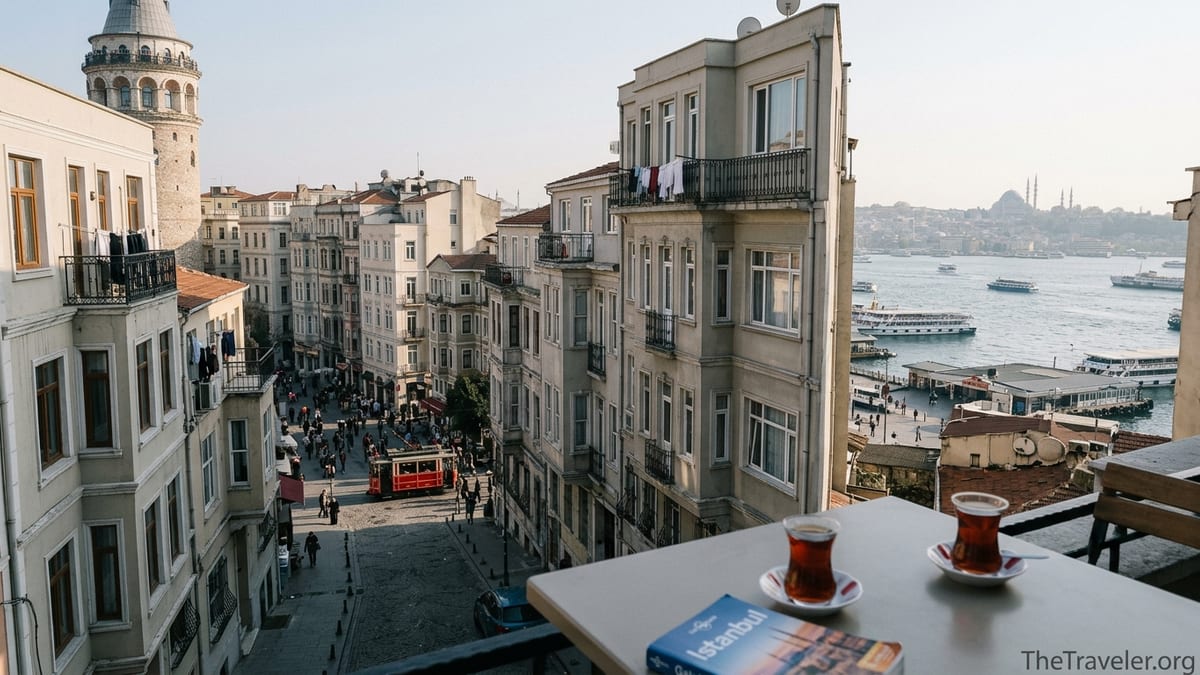
What and Where Is Beyoğlu
Beyoğlu is a large district on the European side of Istanbul, just across the Golden Horn from the Old City. It encompasses famous areas like Galata, Karaköy, Taksim, Cihangir, Çukurcuma and Tophane. Historically known as Pera and Galata, this was once the foreign and non-Muslim quarter of the Ottoman capital, which explains its European-style boulevards, consulate buildings and apartment blocks with high ceilings, wrought-iron balconies and tall shuttered windows. Today, Beyoğlu is the city’s main entertainment, dining and nightlife hub, as well as a major shopping and cultural area.
The backbone of Beyoğlu is İstiklal Avenue, a 1.4 kilometer pedestrian street running from Tünel Square near Galata up to Taksim Square. Along and around it you find international chains, Turkish fashion brands, historic passageways, independent boutiques, cinemas, churches, synagogues and meyhanes serving classic meze. The area is well connected: Tünel and Şişhane metro and funicular stations link to Karaköy and the ferries, while the M2 metro at Taksim connects you quickly to other parts of the city.
For travelers, Beyoğlu sits in a sweet spot between old and new Istanbul. From most streets in Galata or Karaköy you can walk to the Galata Bridge and cross into Eminönü and Sultanahmet in 15 to 25 minutes, but when you come “home” you return to a neighborhood filled with cafés, contemporary art spaces, live music venues and rooftop bars. It works equally well for a short city break focused on culture and nightlife, or as a base for a longer trip where you want to feel part of a local neighborhood.
Prices in Beyoğlu reflect its popularity but are still reasonable compared with Western Europe. A typical mid-range restaurant around İstiklal or in Cihangir might charge the equivalent of 10 to 20 US dollars per person for a main course and non-alcoholic drink, while a sit-down breakfast of menemen, bread, olives and tea in a Galata side street might come to 6 to 10 dollars. Coffee shops typically charge a little under 3 to 4 dollars for a flat white or latte, which is slightly higher than in more residential districts but still good value by international standards.
Best Areas in Beyoğlu for First-Time Visitors
Most first-time visitors to Istanbul end up choosing between three or four micro-areas within Beyoğlu. Galata, clustered around the iconic Galata Tower, offers atmospheric cobbled streets, independent boutiques and lots of small guesthouses and design hotels. You can easily walk down to Karaköy’s ferry piers or across the bridge to the Spice Bazaar area. This is a good choice if you want a strong “old quarter” feeling but with livelier food and café options than in Sultanahmet.
Karaköy, at the northern end of the Galata Bridge and along the Golden Horn and Bosphorus waterfront, has transformed over the last decade from a working port area into one of Istanbul’s most fashionable neighborhoods. Here, historic han buildings now hide third-wave coffee roasters, patisseries and concept stores behind plain stone facades. The area near the Istanbul Modern museum and the new Galataport cruise terminal mixes contemporary architecture with views across to the Topkapı Palace and the historic peninsula. Staying in Karaköy gives you easy access to ferries, trams and funiculars, as well as straightforward walks up into Galata and İstiklal.
Taksim and the upper İstiklal area are more modern and urban. Around Taksim Square itself you find large chain hotels, shopping centers and busy roads. It is extremely convenient for public transport, with the M2 metro, the F1 funicular down to Kabataş and a major airport bus stop. However, streets immediately off İstiklal can be noisy late into the night, especially on weekends. Many visitors choose to stay a few blocks away in quieter pockets like Gümüşsuyu or just below Taksim towards Cihangir, where narrow streets lined with 19th century buildings house a mix of local residents, digital nomads and boutique hotels.
For a more village-like feel within walking distance of İstiklal, Cihangir and nearby Çukurcuma are excellent bases. Cihangir is known for its leafy streets, bohemian cafés, friendly cats and views down to the Bosphorus. Çukurcuma, just downhill, is Istanbul’s main area for antique shops and design boutiques, and still feels slightly hidden from the main tourist flows. Accommodation here tends to be smaller-scale: furnished apartments, serviced residences and boutique guesthouses, often with kitchens and washing machines that make longer stays comfortable.
Things to Do: From Galata Tower to the Waterfront
Galata Tower is the most recognizable landmark in Beyoğlu and a logical starting point. The medieval stone tower rises over the neighborhood and offers a 360 degree viewing platform looking out over the Bosphorus, the Golden Horn and the domes of the Old City. Visitor numbers are controlled, and at busy times you may need to queue outside for 20 to 40 minutes. Tickets are priced dynamically and usually sit in the range of a mid-priced museum in Europe. Going early in the morning on a weekday or near sunset on a clear day helps you avoid the longest lines and gives you the best light for photos.
After descending from the tower, wander the radiating streets. On Serdar-ı Ekrem Street and the lanes nearby you find independent Turkish fashion stores, jewelry designers and galleries. Duck into small churches like St. Pierre Han or the Catholic Church of St. Anthony of Padua further up İstiklal to see a quieter, historic side of the district. The Pera Museum, housed in a 19th century hotel building near the grand Pera Palace Hotel, regularly hosts exhibitions on Ottoman-era painting, Orientalist art and modern Turkish artists, and often stays open into the evening on certain days, which makes it a pleasant stop between sightseeing and dinner.
Downhill towards the water, Karaköy offers a different mood. On a typical day you might grab a coffee at a minimalist café in one of the narrow streets behind the tram line, then walk along the waterfront past fishermen on the Galata Bridge. Istanbul Modern, the city’s main contemporary art museum, sits right on the Bosphorus with floor-to-ceiling windows framing passing ferries. Inside, you can see rotating exhibitions of Turkish and international contemporary art. The museum café has outdoor seating with wide water views, and prices for drinks and snacks are on par with similar cultural institutions in Europe. Even if you are not a dedicated museum-goer, the combination of architecture and scenery justifies a visit.
If you prefer simply to walk and absorb the atmosphere, follow İstiklal Avenue end to end. Start near Tünel Square and stroll uphill past bookshops, baklava counters and street musicians until you reach Taksim. Along the way, side passages like Çiçek Pasajı and Avrupa Pasajı hide classic meyhanes and small shops. You can easily turn this into a half-day experience by stopping for Turkish coffee in a side-street café, visiting a church or synagogue by arrangement where possible, and sampling a cone of chestnuts or a simit from a street vendor.
The Beyoğlu Food Scene: From Meyhane to Modern Cafés
Beyoğlu’s food scene is dense enough that you could spend several days just exploring its eateries. Traditional meyhane culture is strongest in and around the streets off İstiklal near Nevizade and Asmalımescit. Here, classic places serve dozens of cold and hot meze with raki, grilled fish and seasonal vegetable dishes. Prices vary widely: a simple fish restaurant in a side street might charge the equivalent of 12 to 18 US dollars for a whole grilled sea bream with salad, while more upscale meyhanes with live music and sea views might run 30 to 40 dollars per person or more including drinks. It is common to choose several shared plates for the table rather than individual starters, and waiters will often bring a large tray of meze for you to select from.
For street food and quick lunches, İstiklal and its surroundings offer everything from dürüm kebab stands and lahmacun bakeries to budget-friendly lokanta-style restaurants serving homey daily specials. A plate of stewed beans with rice and salad in such a lokanta will often cost under 8 to 10 dollars at current exchange rates. In Karaköy, you can grab a fish sandwich from stalls near the water, or head into one of the local baklava institutions known for trays of pistachio and walnut baklava stacked in the windows. Expect to pay a premium for famous patisseries in this area, particularly if you are buying boxes to take home, but by international standards a portion of baklava with tea is still affordable.
Café culture is particularly strong in Galata, Cihangir and Karaköy. Third-wave coffee roasters serve single-origin pour-overs, iced lattes and filter coffee in minimalist interiors that would not feel out of place in Berlin or Brooklyn. Many cafés double as remote-work spaces during the day, with reliable Wi-Fi and plenty of laptop users. A typical cappuccino or flat white in these places costs a little more than in traditional Turkish tea houses, which remain incredibly affordable, with a tulip glass of black tea often priced at the equivalent of less than a dollar in more local venues.
Beyoğlu is also an excellent district to explore the new wave of modern Turkish cuisine. Tasting-menu restaurants around Taksim and in nearby Şişhane reinterpret Anatolian ingredients with contemporary techniques, often at prices that are high for Istanbul but still lower than in Western European capitals. Reservations are essential for these spots, especially on weekends and during peak travel seasons like late spring and early autumn. Some rooftop restaurants in Karaköy and around İstiklal lean more toward the “view first, food second” model, so if food is your priority it can be worth choosing a separate, food-focused restaurant for dinner and visiting rooftops only for a drink at sunset.
Hotels and Where to Stay in Beyoğlu
Beyoğlu offers one of the widest ranges of accommodation choices in Istanbul, from international five-star hotels on or near Taksim Square to tiny family-run pensions on the slopes of Galata. Large, full-service hotels around Taksim typically include gyms, spa facilities and extensive breakfast buffets, and they often host conferences or events. These are ideal if you prefer predictable standards, want easy airport bus connections and do not mind a more urban feel when you step outside.
In Galata and Karaköy, you find many mid-range boutique hotels in restored 19th century buildings. Rooms can be compact, especially in historic properties, but high ceilings and tall windows create a sense of space. Many of these hotels offer rooftop terraces with partial Bosphorus or Golden Horn views, where breakfast is served in warm months. Because these neighborhoods are popular, it pays to book early for spring and autumn. Prices fluctuate depending on demand, but as a rough guide, a well-reviewed mid-range hotel room for two in Galata or Karaköy often lands somewhere between a budget-friendly city break in Southern Europe and a mid-priced stay in major Western capitals.
Apartment rentals and aparthotels are common in Cihangir, Çukurcuma and the quiet streets below Taksim. These are attractive if you plan to stay a week or more and want a kitchen and laundry facilities. You might find, for instance, a compact one-bedroom in Cihangir with a small balcony and partial Bosphorus view for a nightly rate similar to a mid-range hotel room, especially outside peak months. Many buildings in these areas do not have elevators, so if you have heavy luggage or limited mobility, check floor level and access details carefully before booking.
When choosing where to stay, pay close attention to the exact micro-location and building. Streets can change character very quickly in Beyoğlu. A hotel on a quiet residential street two minutes’ walk from İstiklal may be peaceful, while a property directly overlooking a bar strip could be noisy until late at night. Reviews that mention “live music downstairs” or “club next door” should be taken seriously if you are sensitive to noise. Also note that some cheaper options further inland, in parts of Tarlabaşı or Dolapdere, may feel less polished or comfortable for some visitors, especially late at night, even though they might look close to the action on the map.
Nightlife, Shopping and Cultural Highlights
Nightlife is one of Beyoğlu’s big draws. Around İstiklal Avenue you will find a mix of laid-back bars, live music venues, cocktail lounges and clubs. Many are hidden on upper floors of apartment buildings, with small signs by the door and elevators or narrow staircases leading upstairs. Weekends are typically busy, with crowds spilling onto side streets and live bands performing Turkish rock or pop until the early hours. Cover charges vary; some venues include a small entrance fee and then standard drink prices, while others charge more on nights with well-known DJs or performers.
Rooftop bars are concentrated around Beyoğlu’s slopes and the Karaköy waterfront. On a typical summer evening, locals and visitors gather at terrace bars to watch the light fade over the Bosphorus while ferries crisscross below. Cocktail prices in such places can be similar to those in mid-range European cities, especially for imported spirits, while local beer and wine are usually more affordable. Many visitors choose to have one or two drinks on a rooftop at sunset, then head to a more modestly priced neighborhood meyhane or ocakbaşı grill restaurant for dinner.
For shopping, İstiklal Avenue is the main artery. International fashion brands sit alongside Turkish chains, bookstores, music shops and pastry counters. Side passages hide independent designers and vintage clothing stores. In Çukurcuma you will find antique and design shops filled with everything from mid-century furniture and kilim rugs to Ottoman-era prints and brassware. Prices range from bargain finds to serious collector pieces; even if you are not buying, browsing these shops offers a window into Istanbul’s layered history. Remember that many smaller boutiques close on Sunday evenings or one weekday, while big chain stores generally keep long hours.
Culturally, Beyoğlu is rich in small institutions that reward curiosity. SALT Galata, just over the district border in a historic Ottoman bank building, hosts rotating exhibitions and includes a beautiful reading room popular with students. Pera Museum mixes permanent collections with temporary shows that are often bilingual in Turkish and English. Theaters and concert halls around İstiklal and in nearby Şişhane stage everything from classical concerts to contemporary Turkish plays. Check performance schedules a couple of weeks before your visit if you would like to include an evening of live culture in your plan.
Practical Tips: Getting Around, Safety and First-Time Advice
From Istanbul Airport, Beyoğlu is easy to reach. The express Havaist buses run to Taksim, and the journey usually takes around 60 to 90 minutes depending on traffic. Tickets are paid with contactless cards or Istanbul transport cards and priced at a level similar to airport shuttles in other major cities. Alternatively, you can take the metro with one or two line changes to reach Şişhane or Taksim; this can be more predictable during rush hour but involves stairs and transfers with luggage. Taxis and ride-hailing apps are also options, but traffic and variable driving standards mean many visitors prefer public transport for the airport leg.
Within Beyoğlu, most places are walkable if you are comfortable with hills and cobblestones. The vintage tram on İstiklal Avenue has recently been updated with modern battery technology but still retains its traditional red exterior and bell, and it offers a fun, short ride between Tünel and Taksim when it is running. The Tünel funicular links Karaköy with the upper Beyoğlu area, and the F1 funicular from Kabataş connects up to Taksim, tying into the tram and ferry network along the waterfront. An Istanbul transport card, which you can reload at machines in metro and tram stations, works across buses, trams, metros and most ferries, making it convenient to move between Beyoğlu and other districts.
In terms of safety, Beyoğlu is generally busy and feels secure in main areas like İstiklal, Taksim, Galata and Karaköy, especially in the evenings when streets are full. As in any major city, pickpocketing can occur in crowded spots, particularly on packed trams or in dense evening foot traffic. Using a cross-body bag that closes securely, keeping phones out of back pockets and being cautious if someone creates a distraction around you are sensible measures. Some side streets uphill and further inland can feel less inviting late at night, with fewer people around and more traffic; if you feel uncomfortable, use a registered taxi or ride-hailing service rather than walking long distances.
First-time visitors should also be aware of common minor scams. Typical examples include overly friendly strangers insisting on guiding you to a bar or club, then presenting an inflated bill, or unofficial taxis around Taksim that refuse to use the meter. To reduce risk, stick to clearly marked, busy venues, check drink menus before ordering and insist on metered taxis or ride-hailing apps. When paying in cash, count change carefully; when paying by card, check the amount on the terminal before entering your PIN or tapping.
Dress in Beyoğlu is generally relaxed and modern, reflecting its role as a nightlife and arts district. You will see everything from jeans and sneakers to smart dresses and shirts in evening venues. During the day, comfortable shoes are essential because of the hills and uneven pavements. In winter, temperatures can be surprisingly chilly and damp, so pack a warm, water-resistant jacket and layers. In summer, heat and crowds along İstiklal can be intense, so consider exploring early in the morning or later in the evening and seeking shade in museums or cafés at midday.
The Takeaway
Beyoğlu offers one of the most complete introductions to contemporary Istanbul you can find in a single district. Where the Old City centers your visit on Ottoman mosques and Byzantine monuments, Beyoğlu immerses you in the city’s everyday life: teenagers taking selfies under the Galata Tower, commuters rushing for ferries in Karaköy, couples lingering over raki and meze in side-street meyhanes, and late-night crowds wandering under the glow of İstiklal’s shopfronts. For a first-time visitor, basing yourself here gives you both easy access to the historic peninsula and a chance to feel the pulse of modern Istanbul.
If you choose your micro-neighborhood carefully, balancing convenience, noise levels and budget, you can wake up to the sound of seagulls and call to prayer, spend your days between museums and waterfront walks, and end your evenings with a glass of tea or wine overlooking the Bosphorus. Combine this with basic street smarts, a transport card and an open schedule that leaves room for wandering, and Beyoğlu will likely be the part of Istanbul you remember most vividly long after your trip ends.
FAQ
Q1. Is Beyoğlu a good base for a first trip to Istanbul?
Yes. Beyoğlu is an excellent base because it combines central location, great transport links, a wide choice of hotels and apartments, and easy access to both the historic Old City and the Bosphorus. You can walk to Galata Bridge and Eminönü in under half an hour from many streets, yet still have lively restaurants, cafés and nightlife right on your doorstep.
Q2. Which part of Beyoğlu is best to stay in for a quieter experience?
For a quieter stay, look at Galata’s backstreets, Cihangir, Çukurcuma or the residential streets a few blocks off İstiklal. These areas feel local and village-like compared with Taksim’s busy main roads, but still let you reach major sights on foot. When booking, check recent reviews for comments on noise from bars or late-night traffic.
Q3. How long should I spend in Beyoğlu?
If you are in Istanbul for four or five days, plan to spend at least two full days primarily in Beyoğlu, exploring Galata, İstiklal, Karaköy and Cihangir at a relaxed pace. Many visitors who base themselves here effectively experience the district every day, dipping into different corners between trips to the Old City, the Asian side or the Bosphorus.
Q4. Is Beyoğlu safe at night?
Main areas of Beyoğlu such as İstiklal Avenue, Taksim, Galata and Karaköy are usually busy and feel generally safe into the night. Normal big-city precautions apply: keep valuables secure, avoid very dark or deserted side streets, be cautious with overly friendly strangers and use registered taxis or ride-hailing apps for longer journeys after midnight.
Q5. How do I get from Istanbul Airport to Beyoğlu?
The most practical options are the Havaist airport buses to Taksim, the metro with line changes to Taksim or Şişhane, or a registered taxi or ride-hailing service. Many travelers choose the bus because it combines price and simplicity. From Taksim, you can walk, take the nostalgic tram along İstiklal, or hop in a short taxi ride to your accommodation.
Q6. What are must-see places in Beyoğlu?
Essential stops include Galata Tower for its panoramic views, a walk along İstiklal Avenue from Tünel to Taksim, the Pera Museum or Istanbul Modern for art, and at least one evening exploring side-street meyhanes or rooftop bars. Time permitting, wander through Cihangir and Çukurcuma to experience the district’s more residential, bohemian side.
Q7. Is Beyoğlu suitable for families?
Yes, with some planning. Families often enjoy riding the nostalgic tram, visiting Galata Tower, walking along the waterfront in Karaköy and stopping at parks or cafés. However, nightlife streets near İstiklal can be very crowded and noisy late at night, so families may prefer to stay in quieter micro-areas and return to their accommodation earlier in the evening.
Q8. What is the best time of year to visit Beyoğlu?
Late spring and early autumn are particularly pleasant, with comfortable temperatures for walking and long evenings for rooftop views. Summer can be hot and crowded along İstiklal, while winter brings chilly, damp weather but also fewer tourists and lower accommodation prices. Beyoğlu remains lively year-round thanks to its local resident population and indoor cultural scene.
Q9. Do I need to book restaurants and tickets in advance?
For popular rooftop spots, tasting-menu restaurants and Galata Tower at peak times, advance reservations or timed tickets are recommended, especially on Friday and Saturday nights. Casual lokantas, kebab houses and many meyhanes can often accommodate walk-ins, particularly if you arrive earlier in the evening or on weekdays.
Q10. How expensive is Beyoğlu compared with other parts of Istanbul?
Beyoğlu is typically a little more expensive than residential districts, particularly in tourist-heavy spots near İstiklal and around the waterfront. Coffee, drinks and meals in trendy venues can approach prices in mid-range European cities. However, by choosing local lokantas, traditional tea houses and side-street eateries, you can still eat and drink very affordably while staying in the heart of the city.