


Solo female travel in my thirties feels completely different from the trips I took a decade ago. The itineraries are slower, the beds are comfier, the conversations are deeper, and the risks I am willing to take are far more calculated. What has not changed is the joy of landing somewhere new with only my own priorities to answer to. If anything, that joy has grown louder with every passing birthday.
Get the latest updates straight to your inbox!
How Solo Travel Evolves Between Your Twenties and Thirties
In my early twenties, solo travel meant sleeping on overnight buses, chasing the cheapest hostel bed, and saying yes to almost every invitation that came my way. A typical weekend in Barcelona might have meant a 12-bed mixed dorm just off La Rambla, free walking tour in the morning, beach in the afternoon, and bar-hopping with a pack of strangers until sunrise. The trip felt successful if I spent as little as possible and collected the maximum number of wild stories.
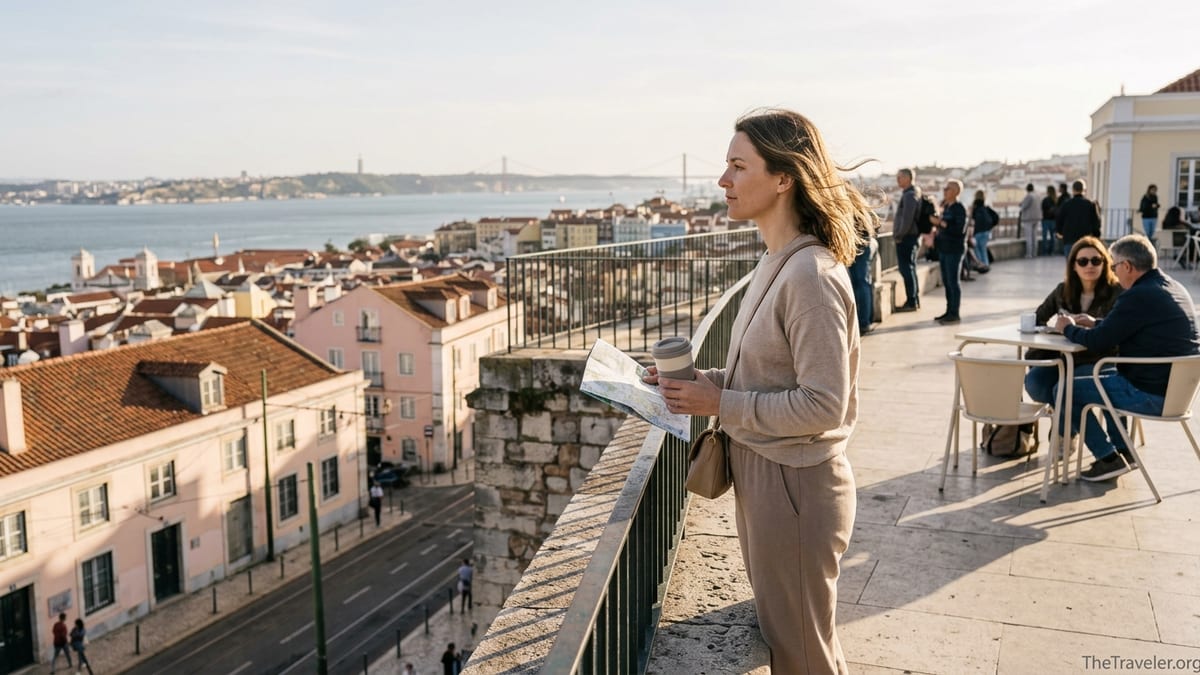
By my thirties, the equation changed. I still love the buzz of a new city, but I care much more about how I feel during and after a trip. A long weekend in Lisbon now looks like a small private room in the Alfama or Graça neighborhoods, a late-morning espresso at a local cafe, and a slow tram ride up to the miradouros before sunset. Instead of returning home burnt out and sleep deprived, I want to come back clearer, calmer, and proud of the choices I made with my time and money.
That shift is not just personal. Recent industry research notes that solo travel has surged in popularity and that travelers aged roughly 25 to 40 make up a substantial share of the solo market, with women driving much of that growth. Many women in this age band are at turning points in their careers or relationships and are deliberately using travel to reset or reimagine their lives. A ten-day trip to Japan or Portugal is no longer a reckless escape but a conscious pause button that often leads to better decisions back home.
On the ground, that looks like choosing Kyoto over a budget party island because you want quiet temples and safe public transport; or picking a wellness-focused retreat in Costa Rica instead of a full-moon party in Thailand. The motivations behind a solo trip in your thirties tend to be less about proving you are brave enough to go and more about honoring what you genuinely need.
Confidence, Boundaries, and Saying No Without Guilt
One of the most powerful changes I noticed in my thirties was how much more confident I felt setting boundaries on the road. In my twenties, if a hostel roommate suggested a night out, I almost always said yes, even when I was exhausted. I worried that staying in to read or sleep meant “wasting” the trip. Now, I can be in a friendly coliving space in Canggu, Bali or in a boutique hostel in Porto, hear the group making pub crawl plans, and calmly say, “I am going to have an early night; enjoy.” Then I close my door, put on a face mask, and feel absolutely no FOMO.
That confidence extends to safety decisions. Solo female travel research consistently shows that personal safety is one of women’s top concerns, ahead of language barriers or getting lost. In my twenties, I took more risks walking home alone or accepting last-minute motorbike rides. Today, I trust that uneasy feeling in my stomach. If a street feels too dark, I do not power through; I turn back, order a licensed taxi through a reputable app, and spend the extra 10 or 15 dollars. If a guesthouse in Mexico or Vietnam feels off on arrival, I am willing to walk away and book somewhere else, even if it means losing a deposit.
Another boundary that strengthens with age is financial. When I was 23, letting someone push me into “just one more” round of cocktails or an unplanned excursion felt normal. Now I am more likely to say, “That sounds fun but it is outside my budget for this trip.” On a recent stay in Split, Croatia, a group from my guesthouse booked a very pricey speedboat tour to the Blue Cave. Instead, I chose a slower local ferry to nearby islands and a simple seafood lunch along the harbor. I still had an incredible day, stayed within my budget, and avoided resenting the cost later.
Perhaps the most underrated boundary shift is emotional. In my thirties, I am more selective about the conversations I invest in. I am still open to meeting new people, whether that is at a coworking space in Mexico City or a cooking class in Chiang Mai, but I no longer feel obligated to share my life story with everyone I meet. That freedom to choose when to engage deeply and when to keep things light keeps me safer and less drained, and it makes the meaningful connections I do form feel more deliberate.
Redefining Comfort: From Hostels to Coliving and Boutique Stays
My twenties were dominated by hostel life. I knew which booking sites filtered by “cheapest first,” I became fluent in scanning reviews for red flags, and I accepted that a snoring roommate or a midnight arrival would be part of the deal. A dorm bed for 15 to 25 dollars a night in places like Prague, Budapest, or Medellin made long trips possible, but it also meant constant noise and very little privacy.
In my thirties, I still look for good value, but I define “value” differently. I am more likely to book a private room in a well-reviewed guesthouse in Oaxaca or a small, female-owned riad in Marrakech medina than the absolute cheapest dorm. I pay attention to details that used to feel like luxuries: the quality of the mattress, the availability of hot water at all hours, whether the walls are thin enough to hear club music at 3 a.m. These things directly influence how safe and rested I feel, and that impacts how much I enjoy exploring the next day.
For longer stays while working remotely, coliving spaces have become a sweet spot between the chaos of hostels and the isolation of short-term rentals. Modern coliving brands in places like Lisbon, Tenerife, and Mexico City bundle a private room, fast Wi-Fi, a proper coworking area, and communal kitchens into a single monthly price. Some operators in Europe and Latin America now average around what you might pay for a mid-range studio on a one or two-month lease, but with cleaning, utilities, and social activities built in. You might pay a little more than the rock-bottom option, yet you gain a curated community of people who are there to work and rest, not just party.
That upgrade in comfort does not have to mean lavish spending. In Southeast Asia, for example, it is still common to find clean, air-conditioned private rooms for the equivalent of 25 to 40 US dollars per night in cities such as Chiang Mai or Da Nang, especially outside peak holidays. In southern Europe, many small family-run pensions and agriturismos offer double rooms with breakfast from about 70 to 120 euros a night in shoulder season. By prioritizing fewer destinations and staying longer, the cost of those nicer stays often balances out compared with rushing through five cities in ten days.
Planning With Purpose: Slower Itineraries and Smarter Budgets
Another major shift in my thirties is how I plan. At 24, my idea of a Europe trip might have been six countries in two weeks, with 6 a.m. flights and tight train connections. I remember arriving in Rome once so exhausted that I fell asleep during a guided tour of the Forum. The photos looked impressive, but my memories were a blur of rushing and repacking.
Now, instead of counting countries, I think in terms of “chapters” and “themes.” I might dedicate two full weeks to northern Spain, using Bilbao as a base for day trips to San Sebastian and the Rioja wine region, or spend ten days in only two Japanese cities such as Tokyo and Kyoto, focusing on a mix of food, culture, and relaxation. Slower travel allows for unplanned afternoons in neighborhood coffee shops, spontaneous chats with local shop owners, and those small, real-life moments that rarely fit into packed itineraries.
Budgeting also becomes more strategic with age. In my twenties, I treated every cost as equally painful. A 50 dollar splurge dinner felt as reckless as a 50 dollar change fee. In my thirties, I am more comfortable deciding what truly matters to me and allocating money accordingly. On a recent solo trip to Iceland, for example, I rented a small car for several days, even though it meant eating grocery store sandwiches instead of restaurant meals. Getting to drive the Ring Road on my own schedule, stopping at waterfalls and hot springs whenever I wanted, mattered more than dining out every night.
Tools for planning have matured too. Women in their thirties often lean on a combination of official tourism resources, peer-reviewed platforms, and social media groups geared toward solo female travelers, including age-specific communities that skew 30-plus. These spaces are full of real-time advice on everything from safe neighborhoods in Mexico City to how much cash you realistically need for a week in Seoul. That collective wisdom helps tailor trips that feel aligned with both your interests and your current life stage.
Safety, Technology, and Trusting Your Older Self
Safety has always been a concern for women traveling alone, but in my thirties I approach it with more structure and less fear. I accept that no destination is entirely risk free and that my job is to reduce unnecessary vulnerability. Before I book, I now research not only the city but the specific neighborhoods. In cities like Buenos Aires or Cape Town, for instance, I look for central districts that locals and other solo women consistently describe as lively but not chaotic after dark, and I double check how late public transport runs.
Technology plays a much bigger role today than it did when I first traveled solo. Reliable navigation apps mean I can confidently walk 20 minutes from a train station to my guesthouse in Kyoto or Munich without staring at a paper map that screams “tourist.” Ride-hailing platforms in many countries provide a digital trail for every trip, and messaging apps let me share my real-time location with friends or family. Many women on the road also use safety features on their smartphones to set quick emergency contacts before heading out for a hike or a night out.
Yet the most important tool I have gained is self-trust. A large global survey on solo female travel in recent years highlighted that women worry most about personal safety, higher costs, and potential loneliness. Those concerns are real, but experience helps you separate realistic caution from paralyzing anxiety. After a decade of trips, I have a growing mental database of what genuine danger feels like versus normal travel discomfort. A pushy vendor in a busy market in Marrakech is uncomfortable; a taxi driver refusing to turn on the meter at night in a quiet part of town may be grounds to end the ride immediately.
Practical habits have become second nature: I carry backups of important documents in offline storage, split cards and cash between my day bag and a hidden pocket, and avoid advertising my accommodation details to people I have just met. In my twenties, these felt like tedious over-preparations. In my thirties, they are simple rituals that allow me to relax and enjoy a night market in Taipei or a wine bar in Florence with much less background stress.
Finding Community Without Losing Your Independence
In your twenties, solo travel can feel like an endless audition for friendship. You arrive at a hostel in Prague or a surf camp in Bali and quickly scan the room: Who will I explore with? Who will I eat with? That urgency can push you into groups and plans that do not really suit you. In my thirties, I still appreciate new connections, but I am less afraid of my own company and much choosier about how I share my time.
Instead of relying solely on whoever happens to be sleeping in the same dorm, I now use more intentional ways to meet people. Day tours that cap groups at around ten participants, food walks run by local guides, and language exchange meetups in cities like Lisbon, Berlin, or Taipei provide built-in topics of conversation without the pressure to become instant best friends. Organized trips designed specifically for solo travelers, including those that cater to people in their late twenties and thirties, can also be a soft landing if you want community but not a traditional group tour dynamic.
Digital communities for solo female travelers over 30 have flourished in the last few years. In private forums and social channels, women discuss everything from how it feels to share a dorm with mostly 21-year-olds to whether it is worth joining coworking and coliving programs in places like Madeira or Mexico’s Yucatán region. Some apps and platforms aimed at experienced travelers now include “trip boards” where you can quietly see who else will be in Buenos Aires or Tokyo during your dates, then decide if you want to grab coffee or simply take comfort in not being the only solo traveler in town.
The result is a more relaxed approach to socializing. In Mexico City, I might spend Monday and Tuesday working from a coworking space and chatting casually with fellow nomads, join a group taco tour on Wednesday, then take Thursday entirely to myself wandering museums and bookstores. That rhythm lets me enjoy company without losing the introspective, self-directed quality that makes solo travel so powerful in this decade of life.
Destinations That Shine When You Are a Solo Woman in Your Thirties
While almost any destination can work for a thoughtful solo traveler, there are places that feel particularly well suited to women in their thirties. These are spots that combine good infrastructure, a strong sense of safety, and a culture that does not revolve entirely around backpacker bar crawls. They often attract a mix of ages and interests, making it easier to meet people who are also working remotely, prioritizing wellness, or simply traveling at a slower pace.
Japan is a prime example. Cities such as Tokyo, Kyoto, and Kanazawa offer some of the world’s most reliable public transport, a deep respect for personal space, and countless solo-friendly experiences, from counter-seat ramen shops to quiet neighborhood sento baths. Many women remark how comfortable they feel walking alone to train stations at night or taking regional trains between cities, and the emphasis on politeness and order can be a welcome shift if you are used to more chaotic destinations.
Southern and western Europe also continue to be favorites for solo women in their thirties. Portugal and Spain consistently appear on lists of welcoming solo destinations, with mid-sized cities like Porto, Valencia, and Seville offering a good balance between culture, food, and a relatively relaxed pace of life. In Italy, cities such as Bologna and Turin can feel easier and less overwhelming than Rome or Venice, while still delivering rich history and excellent food. Many of these cities have coworking spaces, language schools, and walking tours that draw a broader age range than purely party-focused hubs.
For nature and wellness, destinations like Costa Rica, New Zealand, and parts of Canada stand out. Costa Rica’s Pacific coast towns such as Nosara or Santa Teresa combine yoga studios, healthy cafes, and surf schools that attract solo women seeking active but mindful trips. New Zealand’s well-marked hiking trails, well-run hostels, and campervan culture offer plenty of opportunities to meet people in small doses while preserving independence. In Canada, cities like Vancouver and Montreal give you the option of morning meetings in a coworking space and afternoon hikes or bike rides, all within a framework of strong public services and healthcare.
The Takeaway
What has changed most for me as a solo female traveler in my thirties is not the desire to see the world but the way I measure a “good” trip. At 22, I cared about how many countries I had checked off and how dramatic my stories sounded. At 32 or 36, I care about how aligned my travels feel with the life I am trying to build. I want my days on the road to support my health, my finances, my relationships, and my long-term goals, not derail them.
That shift shows up in hundreds of small decisions. I choose neighborhoods with better lighting over those with only the cheapest rooms. I build in rest days to avoid returning home tired and resentful. I say no to plans and people that do not feel right, and yes to opportunities that are quietly transformative: a solo hike along Ireland’s west coast, a language course in Oaxaca, a week of digital detox in a cabin in the Dolomites. These choices are less flashy on social media, but they leave a deeper mark.
If you are entering your thirties and wondering whether you are “too old” to travel alone, the honest answer from many of us on the road is that this decade can be the best yet. You bring more resources, more perspective, and more trust in yourself. The world has also adapted, with more age-diverse travel communities, safer and more comfortable lodging options, and a growing respect for women who choose to roam on their own terms. Far from being a phase you should have outgrown, solo travel in your thirties can be the foundation for a more intentional life, wherever you decide to call home between trips.
FAQ
Q1: Am I too old to start solo traveling in my thirties?
Absolutely not. Many women start solo travel in their thirties or even later, often with more financial stability, clearer boundaries, and stronger self-awareness than they had in their twenties, which can make trips both safer and more fulfilling.
Q2: How can I meet people on the road without staying in party hostels?
Look for small-group activities such as food tours, walking tours, yoga classes, language lessons, and coworking or coliving spaces, where socializing happens naturally but does not revolve around drinking or late nights, and where the age range tends to be more mixed.
Q3: What are some beginner-friendly destinations for solo women in their thirties?
Places with good public transport and a reputation for safety, such as Japan, Portugal, Spain, Ireland, Canada, and New Zealand, are popular choices for first trips because they offer a mix of culture, nature, and ease of navigation.
Q4: How should I budget differently now compared with my twenties?
Instead of minimizing every cost, decide what matters most to you and spend there, whether that is a private room, a special day trip, or a rental car, then save by slowing your pace, cooking some meals, and focusing on a few key destinations rather than rushing through many.
Q5: Is it safer to join a group tour than to travel fully solo?
Small-group tours designed for solo travelers, especially women, can add structure and safety, particularly in destinations that feel intimidating, while still giving you free time; many women blend a short group segment with independent days before or after.
Q6: How do I handle questions from family or partners who worry about my safety?
Share your itinerary, book well-reviewed accommodations, use tools like location sharing, explain the safety steps you take, and consider checking in on a set schedule so loved ones understand that your travel is thoughtful and planned, not impulsive.
Q7: What if I feel lonely during a solo trip?
Loneliness can happen at any age, but it often passes; scheduling a few social activities, calling a friend, journaling in a cafe, or joining a class or workshop can quickly shift your mood without giving up the benefits of traveling independently.
Q8: Are coliving spaces a good idea for solo women in their thirties?
They can be, especially if you are working remotely and prefer a quieter, more professional atmosphere than a hostel; research each space carefully, read recent reviews from women, and choose options that emphasize community guidelines and clear security measures.
Q9: How can I balance career goals with taking longer solo trips?
Many women plan around remote work arrangements, sabbaticals, or unpaid leave, using trips to recharge or develop skills such as language or cross-cultural communication, and they often find that intentional breaks support rather than harm their long-term careers.
Q10: What is the biggest difference between solo travel in my twenties and thirties?
For many women, the biggest difference is traveling with intention: you choose destinations, accommodations, and experiences that align with your values, health, and finances, which leads to deeper satisfaction and fewer regrets when you return home.