


MSIG is a familiar travel insurance name across Asia, from Singapore to Hong Kong and Thailand. Their plans are heavily promoted by banks, comparison sites and even airlines, and on the surface they appear to tick every box: medical cover, trip cancellation, baggage delay and now dedicated Covid 19 benefits. Yet after digging into recent policy wordings, claim experiences and the way benefits are actually applied in real life, I would never buy MSIG travel insurance without reading the fine print with almost obsessive care. This is not about saying MSIG is uniquely bad. It is about showing how easy it is to overestimate what you are buying and why treating an MSIG policy like a simple yes or no box at checkout can leave you badly exposed when something goes wrong on the road.
Get the latest updates straight to your inbox!
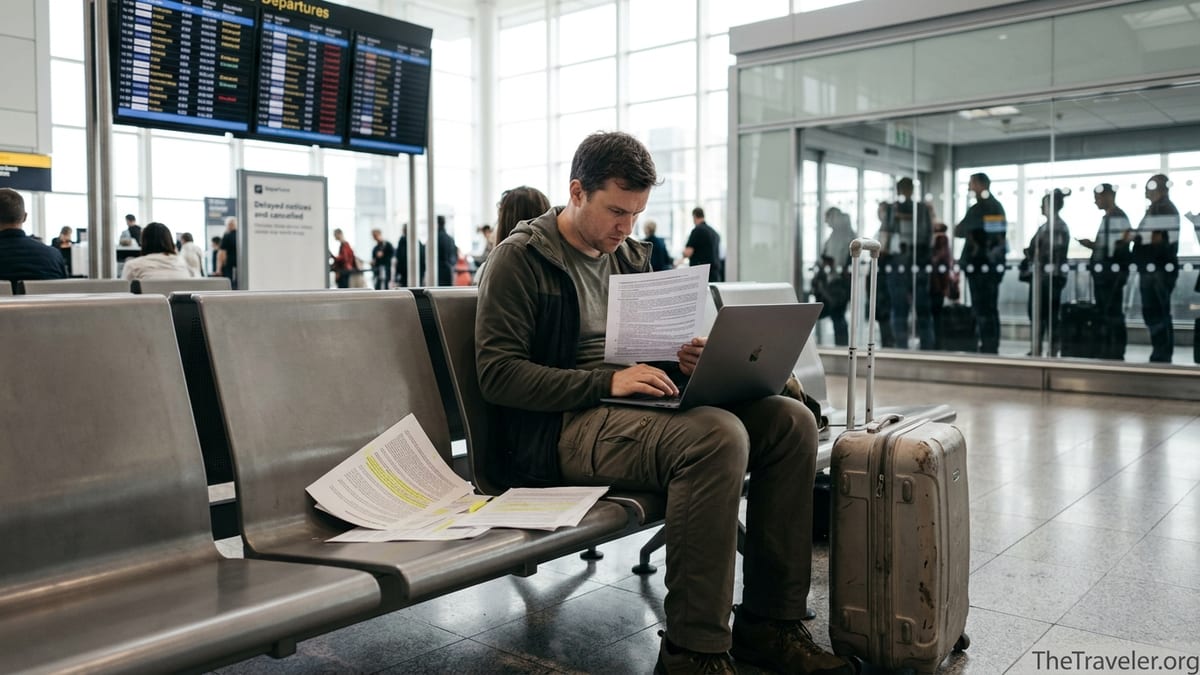
The Big Brand Comfort Trap
MSIG is not a fly by night outfit. It is part of MS&AD, one of Japan’s largest insurance groups, and has been operating for years in markets such as Singapore, Malaysia, Hong Kong and Thailand. On comparison sites you will often see MSIG TravelEasy in Singapore, TravelSafeGuard in Malaysia or MSIG’s Hong Kong travel plans ranked alongside names like Allianz, AXA and AIG. That branding and distribution creates a powerful sense of safety. Many travellers simply assume a reputable insurer will “take care of things” if their trip falls apart.
The problem is that comfort often replaces scrutiny. When you book a Singapore to Tokyo flight, the airline’s checkout may flash an MSIG logo beside a cheap add on premium; in Thailand, MSIG travel insurance is bundled through platforms like Traveloka with reassuring wording about “maximum protection during your flight journey at affordable price.” It feels like a small, sensible extra, not a contract packed with conditions. You click buy, move on, and only later discover that your idea of “maximum protection” and MSIG’s definition are not the same at all.
Recent online accounts from policyholders in Singapore and elsewhere underline this gap in expectations. One traveller who bought MSIG cover for a Taiwan trip found “every claim returned as a rejection due to their policy terms and conditions,” while another Singapore based customer described how MSIG relied on a broad cyber loss exclusion to deny a disruption claim linked to an airline IT issue. These are not statistical studies, but they show how a reputable brand can still deliver frustrating outcomes if you do not understand how its policies are wired.
None of this means you should blacklist MSIG. It does mean you should treat the brand name as a starting point, not proof that the protection you personally need is actually there. With MSIG in particular, the details of plan tiers, exclusions and pre conditions matter more than the comforting headline limits.
Plan Tiers That Look Similar But Behave Very Differently
One of the first reasons I would not buy MSIG travel insurance blindly is how differently the plan tiers behave once you get past the marketing summary. Take MSIG’s TravelEasy product in Singapore, which is sold in Lite, Standard, Elite and Premier versions. The brochure gives you a neat table of benefits in Singapore dollars, but you have to drill into the wording to see how the cheaper tiers quietly leave out scenarios many travellers assume are standard.
For example, under TravelEasy’s Covid 19 cover, MSIG clearly states that key pre trip protections such as travel cancellation, travel postponement and replacement of traveller only apply for Standard, Elite and Premier plans. Lite does not provide these benefits at all. So if you bought the cheapest Lite plan for a December family trip to Hokkaido, then tested positive for Covid in Singapore a week before departure, your non refundable hotel bookings could be entirely on you. In contrast, a Standard plan would list specific cancellation limits per adult, child and family, meaning you might recover several thousand dollars in sunk costs if the trigger falls within the definition.
Another example is baggage and travel delay in markets like Hong Kong and Malaysia. MSIG’s TravelSafeGuard brochure in Malaysia mentions luggage delay benefits paid for every six consecutive hours of delay, capped at a fixed amount per trip. The Hong Kong wording for travel delay and trip rearrangement sets different limits depending on whether you buy an Essential, Superior or Premier plan, and ties compensation to strict definitions of qualifying events. Two policies sold under the same brand name can therefore behave very differently once your flight is cancelled or your bags go missing at Kuala Lumpur International Airport.
The practical takeaway is simple. If you are buying MSIG because a comparison site tells you “Covid 19 cover included” or “trip cancellation up to 5,000,” you must next ask: on which tier, under what sections, and with what sub limits per item or per day. Before you click, picture a specific scenario, like a three day baggage delay on a winter trip to Sapporo. Then ask yourself whether the entry level plan’s payout would make any real dent in the cost of buying replacement clothing and equipment on the ground.
Covid 19 Cover That Is Far From Blank Check Protection
Covid 19 benefits are now a major selling point for MSIG in Asia. The TravelEasy marketing page in Singapore, for example, has a prominent section explaining that all plans come with Covid 19 cover, and the benefit tables highlight overseas medical expenses, daily hospital cash, emergency evacuation and some cancellation and disruption protections linked to infection and quarantine. On paper, that sounds comprehensive. In practice, the coverage is tightly limited by geography, timing and pre conditions.
One subtle limitation is where the medical costs are incurred. MSIG’s Covid 19 FAQ for TravelEasy spells out that medical expenses incurred in Singapore are not covered and that overseas Covid 19 medical costs are only insured for up to 60 days from the date you were first diagnosed abroad. If you catch Covid halfway through a six week multi country trip, require inpatient treatment overseas and then suffer complications once home in Singapore, part of your total medical bill could fall outside the insured window altogether.
Timing of purchase is another catch. For trip cancellation, postponement or replacement of traveller due to Covid 19, MSIG requires that if you buy the policy less than 30 days before departure, you must purchase it at least three days before the trip, and for the seven days before purchase both you and your travel companion must have no Covid symptoms and must not have tested positive. That sounds reasonable, but it means a traveller who buys cover one day before flying because a last minute fare came up, only to test positive the morning of departure, will likely find themselves outside the scope of those pre trip Covid benefits even if they paid for a higher tier plan.
MSIG also draws a line around certain pandemic related disruptions entirely. Its Covid 19 FAQ notes that changes in travel advisories or restrictions at your destination or in Singapore, or changes in prevention measures, are not covered under sections relating to shortening the trip or travel disruption. In other words, if a government suddenly imposes a new testing or quarantine requirement that makes your holiday impossible to enjoy, or your airline cancels flights in response to evolving rules, that by itself will not trigger a valid claim under the Covid 19 section. A traveller relying on “Covid 19 cover included” without reading those caveats might only discover this difference after their claim is rejected.
Exclusions and Grey Zones That Commonly Trip People Up
Like all insurers, MSIG uses exclusions to carve out risks it does not want to bear. The trouble is that many of these exclusions sit in parts of the policy wording most buyers never read and only become visible when a claim is turned down. Recent online discussions among Singapore based travellers highlight how some of these clauses feel surprisingly broad when they are actually applied.
A widely shared example involves cyber related disruptions. One MSIG annual travel customer in Singapore reported that a claim linked to an airline’s IT problems was denied under a cyber loss exclusion that the traveller barely noticed when they bought the policy. In general, cyber exclusions are designed to keep insurers from covering business losses caused by hacking or system failures. Applied loosely, they can also sweep in airline check in meltdowns, reservation database errors or even widespread airport system outages that cause missed connections and overnight delays.
Another recurring pain point is pre existing medical conditions. While MSIG sells some products that offer limited overseas Covid 19 cover for students and long term trips, its standard leisure travel plans typically exclude expenses arising from medical conditions that existed before the start of the trip, unless you have bought a specific add on or product that states otherwise. In practice, this means that an older parent who has seen a cardiologist for high blood pressure or chest pains may find a mid trip heart scare classified as an excluded pre existing issue, even if their day to day health before departure felt stable.
There are also the usual travel insurance hot buttons such as war and terrorism, which affect all brands, not just MSIG. Discussants on travel forums have described claims denied by various insurers when events were linked, even loosely, to war or unrest. If you are travelling to regions with any political tension or booked on itineraries that route through higher risk airspace, you cannot simply assume that a generic MSIG policy will respond the same way it would for a straightforward city break in Osaka.
None of this is unique to MSIG, but it is precisely why I will not buy an MSIG policy on autopilot. Without sitting down before purchase and asking yourself “what exclusions would hurt me the most on this particular trip,” you risk discovering those grey zones only after a serious illness, a system wide airline outage or a security incident has already derailed your plans.
Real World Claim Experiences: Fast For Some, Frustrating For Others
Claim anecdotes are messy data. Satisfied customers rarely post long reviews saying “everything worked as expected,” while angry ones understandably write in the heat of the moment. Still, reading through recent experiences with MSIG travel policies is useful because it illustrates how the letter of the contract plays out day to day, and why assumptions at the buying stage can be so costly later.
On the positive side, some Singapore based travellers report relatively swift processing for straightforward emergency cases. One MSIG annual travel customer recounted how their boyfriend made an accident and emergency visit and the claim reimbursement was fast for that first incident. The same policyholder, however, was then drawn into a more contentious dispute when another claim under the same issue was scrutinised under the wording and not handled as smoothly. The story underlines how even within a single policy, outcomes can vary sharply depending on which section and exclusion is triggered.
At the other extreme are travellers like the person who bought MSIG cover for a Taiwan trip and later complained online that “every claim” was rejected once the insurer applied the terms in detail. Without the full file it is impossible to know whose expectations were more reasonable, but it is telling that the buyer appears to have believed they were broadly covered for most mishaps on the trip, while MSIG interpreted the contract far more narrowly.
You also see MSIG appear occasionally in broader claim discussions that involve several insurers. One Reddit user in the United States, for example, mentioned MSIG Specialty Insurance in the context of a car insurance claim where adjusters were slow to respond. Although that scenario is outside the Asia travel segment, it reinforces an important point: your experience with an insurer is shaped not only by the headline brand, but by the specific subsidiary, product line and claims handling team that applies your case file.
When you piece these reports together, you do not get a simple verdict of “MSIG pays” or “MSIG never pays.” Instead you see a pattern that makes blind purchasing risky: if your scenario is squarely within the policy wording and you have all the documentation, things often go fine. If there is any ambiguity, missing document, pre existing condition question or novel disruption like a cyber outage, the burden will fall heavily on you to prove why the claim should be honoured.
How I Now Approach MSIG Travel Policies Before Buying
After reading MSIG wordings and watching real travellers bounce between approvals and rejections, I have changed how I personally approach their plans. I no longer treat MSIG as a yes or no question at checkout. Instead, I work through a short, scenario based checklist before I commit. This takes ten or fifteen minutes and can be the difference between an insurance policy that actually helps and one that functions mostly as a psychological comfort blanket.
First, I identify the top two or three risks that would financially hurt on that specific trip. For a ski week in Niseko, that might be hospitalisation after a fracture, baggage delay for winter gear and non refundable chalet deposits. For a multi city work and leisure trip through Europe, it might be missed connections after airline strikes, laptop theft and pre existing heart issues flaring up. I then look at how each MSIG plan tier addresses those exact situations, not just the overall sum insured.
Second, I read the exclusions related to those scenarios in full. If I am worried about cyber outages after seeing how MSIG applied cyber loss wording to deny a prior customer’s claim, I look for the exact cyber clause and ask myself how it would interact with an airline system failure. If I am travelling with an elderly parent, I compare the treatment of pre existing conditions in MSIG’s wording with rival products that explicitly offer some coverage if conditions are stable. When necessary, I send a written query to MSIG or the intermediary before buying, so I have a paper trail of how a particular clause should be interpreted.
Third, I test the claims practicality. MSIG’s claim procedures in Hong Kong and Singapore require various documents: carrier certificates, medical reports, police reports in some theft cases and detailed receipts. I ask whether I would realistically be able to gather those items in the chaos of a missed connection at Dubai or a hospitalisation in Munich. If a policy requires a level of documentation that I know I am unlikely to manage under stress, I either factor that into my expectations or choose a simpler product.
This deliberate approach does not guarantee a perfect outcome, but it makes one thing very clear: MSIG’s strength as a large regional insurer does not remove your responsibility to read and question. If you are not willing to take those steps, you might be better off either buying the most generous tier and accepting the price or choosing another insurer whose wording more obviously matches your personal risk profile.
The Takeaway
MSIG travel insurance plans are widely sold, decently priced and backed by a substantial regional insurer. They cover a broad range of risks across medical emergencies, baggage issues, cancellations and Covid 19, and many travellers have perfectly acceptable experiences with them each year. Yet none of that changes the core reason I would not buy MSIG travel insurance blindly: the gap between how travellers think these policies work and how they actually operate when claims are assessed.
Plan tiers that quietly omit important Covid 19 pre trip protection, strict definitions around when and where medical costs are covered, broad cyber and pre existing condition exclusions, and a real world claims culture that leans heavily on the fine print all mean that an MSIG logo on your booking is not a guarantee of painless help when you need it most. The protection you receive ultimately depends on the specific wording you chose, the timing of your purchase, your health history and your ability to document events in detail.
If you value MSIG’s network, products like TravelEasy or TravelSafeGuard and the convenience of buying through banks or comparison sites, there is nothing wrong with including them in your shortlist. The key is to approach them with clear eyes. Match the policy to your actual itinerary, read exclusions related to your own vulnerabilities and ask questions before you pay. In a world of increasingly complex disruptions, from pandemics to airline IT failures, treating any travel policy as a commodity checkbox is no longer safe. With MSIG in particular, thoughtful scrutiny before departure is the only reliable way to turn a branded promise into real protection on the road.
FAQ
Q1. Is MSIG travel insurance reliable compared with other big brands?
MSIG is financially solid and widely used across Asia, so it is broadly reliable. The real issue is not solvency, but whether a specific MSIG policy’s terms, exclusions and documentation requirements match your trip, health profile and risk tolerance. You cannot assume it works the same way as Allianz, AXA or your credit card’s embedded cover without comparing the wording.
Q2. Why do some MSIG travel insurance claims get rejected?
Most rejections come down to exclusions or conditions that travellers did not notice at purchase, such as pre existing medical conditions, buying the policy too late for certain Covid 19 cancellation benefits, cyber loss exclusions affecting system related disruptions, or missing documents like airline delay letters and detailed medical reports. Often the event simply does not fit the specific triggers defined in the policy.
Q3. Does MSIG travel insurance fully cover Covid 19 related problems?
MSIG offers structured Covid 19 benefits on several travel products, including overseas medical expenses, some trip cancellation scenarios and emergency evacuation. However, medical expenses back in your home country are generally excluded, coverage is time limited from the date of diagnosis, and changes in government travel advisories or prevention rules on their own are usually not covered. It is far from blanket pandemic protection.
Q4. Is the cheapest MSIG travel plan usually enough?
The entry level tiers can work for simple, low cost trips where you mainly want bare bones medical cover and some modest baggage benefits. For more complex or expensive itineraries, the cheaper MSIG plans may omit critical protections like Covid 19 related cancellation or have limits that would not meaningfully offset your losses. It is risky to assume the lowest price option matches a high value holiday.
Q5. How should I evaluate MSIG’s exclusions before buying?
Start by listing the top risks that would truly hurt you financially on your trip, then read MSIG’s exclusions and conditions specifically related to those areas. Pay special attention to pre existing medical conditions, cyber incidents, war and unrest, risky activities and any timing rules on when you must buy the policy. If something is unclear, ask MSIG or the distributor to confirm in writing before you purchase.
Q6. Are MSIG’s travel claim processes difficult in practice?
For straightforward claims with clear documentation, such as a standard overseas hospital visit or a clearly documented baggage delay, many customers report reasonably smooth processing. Difficulty tends to arise when events are ambiguous, documents are incomplete or the cause touches an exclusion. In those cases, MSIG, like most insurers, will interpret the wording strictly and may initially decline or limit the payout.
Q7. Should I buy MSIG travel insurance through an airline or comparison site?
Buying through an airline checkout or comparison platform is convenient, and the cover is usually the same core product. The risk is that the purchase flow emphasises price and a few marketing bullets rather than the full wording. If you buy this way, take the extra time to download and read the official MSIG policy documents before completing payment, and make sure the exact plan tier chosen is appropriate.
Q8. How does MSIG handle pre existing medical conditions on trips?
Standard MSIG leisure travel plans generally exclude claims arising from pre existing conditions, unless you have chosen a product or option that explicitly offers some cover. This means any condition you have been treated or investigated for before the trip could affect claims. If you or a travel companion have ongoing health issues, you should raise them with MSIG beforehand and consider alternatives that provide clearer protection.
Q9. What can I do if my MSIG travel claim is denied?
First, request a written explanation that cites the exact policy clauses used to justify the denial. Check whether your situation truly falls under that wording or whether there is room for interpretation, then submit an appeal with any missing documents and a clear timeline of events. If you remain dissatisfied, you may escalate to your local financial ombudsman or dispute resolution scheme, following the process in your country.
Q10. When might MSIG travel insurance still be a good choice?
MSIG can be a reasonable option if you understand its conditions and buy a tier that fits your itinerary, especially for trips starting from markets where MSIG is well established, such as Singapore or Hong Kong. It may suit travellers who value structured Covid 19 benefits, competitive pricing and the ability to bundle cover with other MSIG products. The key is to approach it thoughtfully rather than treating it as a generic box to tick.