


More news on this day
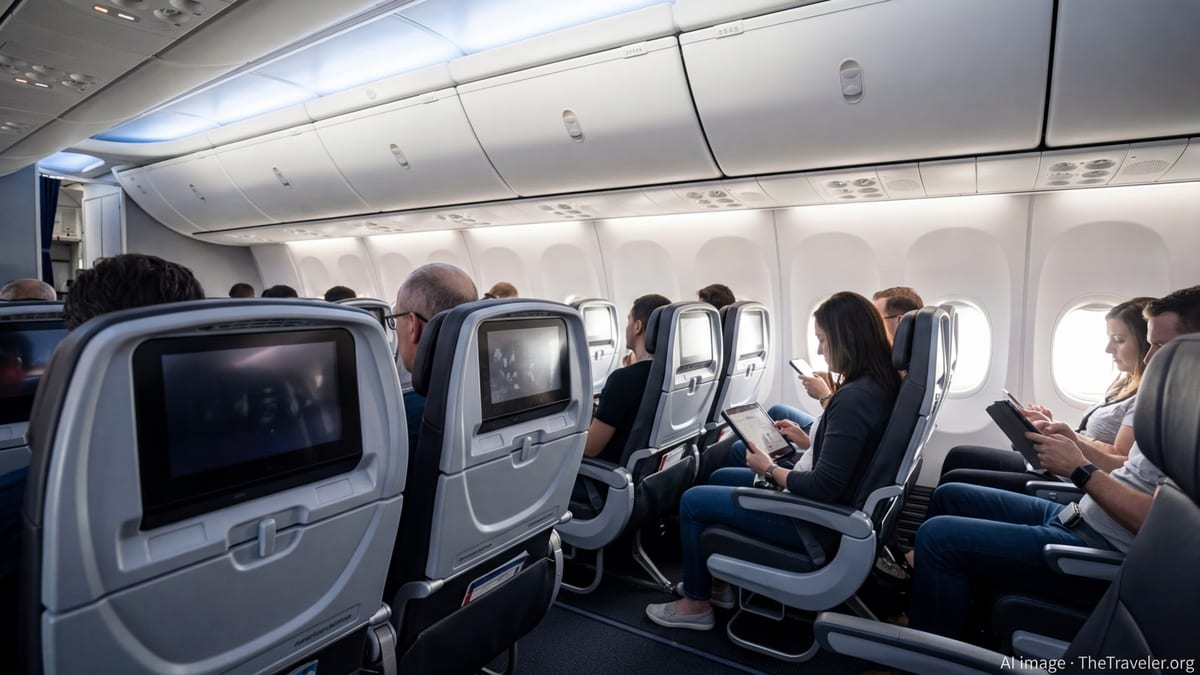
American Airlines is preparing to restore seatback entertainment screens to much of its domestic fleet, signaling a strategic shift away from its recent focus on streaming content only to passengers’ personal devices.
Get the latest news straight to your inbox!
Reversal of a yearslong move away from built in screens
For much of the past decade, American Airlines removed seatback entertainment systems from its domestic narrowbody aircraft, arguing that most travelers preferred to watch movies and shows on their own phones, tablets, and laptops. Industry coverage noted that, apart from a small subfleet of Airbus A319 and premium transcontinental A321 aircraft, the carrier’s US routes relied largely on a bring your own device model while rivals expanded embedded screens.
Now the airline is changing course. According to recent reporting summarized in aviation and business outlets, American plans to introduce a new generation of seatback screens on future Boeing and Airbus single aisle jets, beginning later this decade. The move would bring the country’s largest airline closer in line with full service competitors that have treated in seat entertainment as a core part of the onboard experience.
Publicly available information indicates that the updated systems are expected to appear first on newly delivered narrowbody aircraft serving US and short haul international markets. Existing planes would see the technology gradually added through retrofit programs as aircraft visit maintenance facilities for scheduled cabin work.
New 4K displays, power ports and device friendly features
Reports describing the plan point to a “next generation” platform centered on large, high resolution seatback screens paired with expanded charging options. The displays are expected to support 4K quality, improving brightness and clarity compared with older systems still flying on some widebody jets around the world.
The hardware is also being framed as more compatible with today’s personal electronics. Published coverage notes that American intends to include USB C charging ports at every seat, alongside traditional power outlets on many aircraft, reflecting the shift toward newer smartphones, tablets, and laptops that rely on the updated connector standard.
Another focus is personalization. Industry reporting indicates that the new interface is being designed to deliver recommendations based on viewing history during a trip, alongside upgraded interactive maps and real time flight information. The system is also expected to support pairing with passengers’ own headphones or earbuds, reducing reliance on wired, airline issued headsets.
These features align with a broader technology trend across major carriers, which have been working to make in flight entertainment function more like popular streaming platforms on the ground, while still offering a curated catalog of films, television series, games, and destination content.
Implementation timeline and impact on the current fleet
According to recent accounts, the first American Airlines aircraft to feature the new screens are scheduled to begin arriving around 2028, with deliveries and cabin installations stretching over several years. That timeline reflects the long lead times involved in ordering aircraft, certifying new interiors, and coordinating work across manufacturers and suppliers.
In the interim, most domestic passengers will continue to experience the existing mix of offerings. Today, American’s widebody jets used on long haul international routes and some premium transcontinental services already provide seatback entertainment, while the majority of domestic narrowbody aircraft rely on wireless streaming to personal devices. A limited number of older A319 and A321 aircraft still carry legacy screens, but frequent flyer reports indicate those units are inconsistent and in some cases being phased out.
The planned rollout means that the average traveler on a US route may not notice a widespread change for several years. Because retrofitting cabins requires taking aircraft out of service for extended periods, airlines typically upgrade interiors gradually, often starting with higher profile or higher revenue routes before expanding to the rest of the network.
Competitive pressure in the US in flight entertainment race
American’s shift comes as in flight entertainment has become a more visible point of competition among the United States’ largest carriers. Delta Air Lines has promoted its strategy of keeping seatback screens across much of its mainline fleet while also introducing free Wi Fi for many customers. United Airlines has embarked on a large scale cabin modernization plan that includes adding or upgrading seatback monitors on hundreds of aircraft.
American, by contrast, has in recent years been closely associated with the bring your own device approach, relying on its streaming portal and paid Wi Fi packages to deliver content over onboard connectivity. While that model reduced weight and maintenance costs by eliminating many embedded systems, some frequent flyers expressed frustration about holding devices for long periods, battery limitations, or the need to juggle entertainment and messaging on a single screen.
Industry analysts have argued that as seatback technology becomes lighter, more energy efficient, and more integrated with cabin power and connectivity, the cost benefit calculation has shifted. Modern systems can support ancillary revenue opportunities, such as targeted advertising, retail, and loyalty integrations, while giving airlines another visible way to differentiate on customer experience.
By committing to a new hardware platform for its domestic narrowbody fleet, American appears to be acknowledging that seatback entertainment remains a valued amenity for many passengers, even in an era when nearly every traveler boards with at least one personal device.
What travelers can expect in the coming years
For now, travelers booking American Airlines flights within the United States should expect the current mix of options to continue. Most domestic aircraft will offer free access to a streaming library through the airline’s portal, with Wi Fi connectivity available for purchase on many routes. Widebody aircraft operating international and select transcontinental services will remain the most likely place to find existing seatback screens.
As the new generation of Boeing and Airbus jets joins the fleet starting in 2028, domestic customers can anticipate cabins that more consistently offer embedded entertainment, personal power at every seat, and interfaces built to work hand in hand with their own phones and headphones. Over time, as retrofit work progresses, those features are expected to spread beyond newly delivered aircraft to a larger share of the carrier’s narrowbody fleet.
The pace and scope of the transformation will depend on aircraft delivery schedules, maintenance capacity, and investment priorities. However, the decision to restore screens to US narrowbody flights marks a notable shift in American’s onboard strategy and suggests that the debate over seatback versus personal devices is moving toward a hybrid model that embraces both.