


Anse Chastanet is one of Saint Lucia’s most distinctive boutique resorts, spread across a jungle covered hillside and two beautiful bays just north of Soufrière. With open wall rooms facing the Pitons, tucked away beach cottages and direct access to some of the island’s best snorkeling and diving, it is a property people choose very intentionally. This guide focuses on what you need to know to decide whether Anse Chastanet is the right fit for your next Caribbean trip, from room locations and views to beaches, dining, activities, meal plans and who tends to be happiest staying here.
Get the latest updates straight to your inbox!
Setting, Layout and Overall Vibe
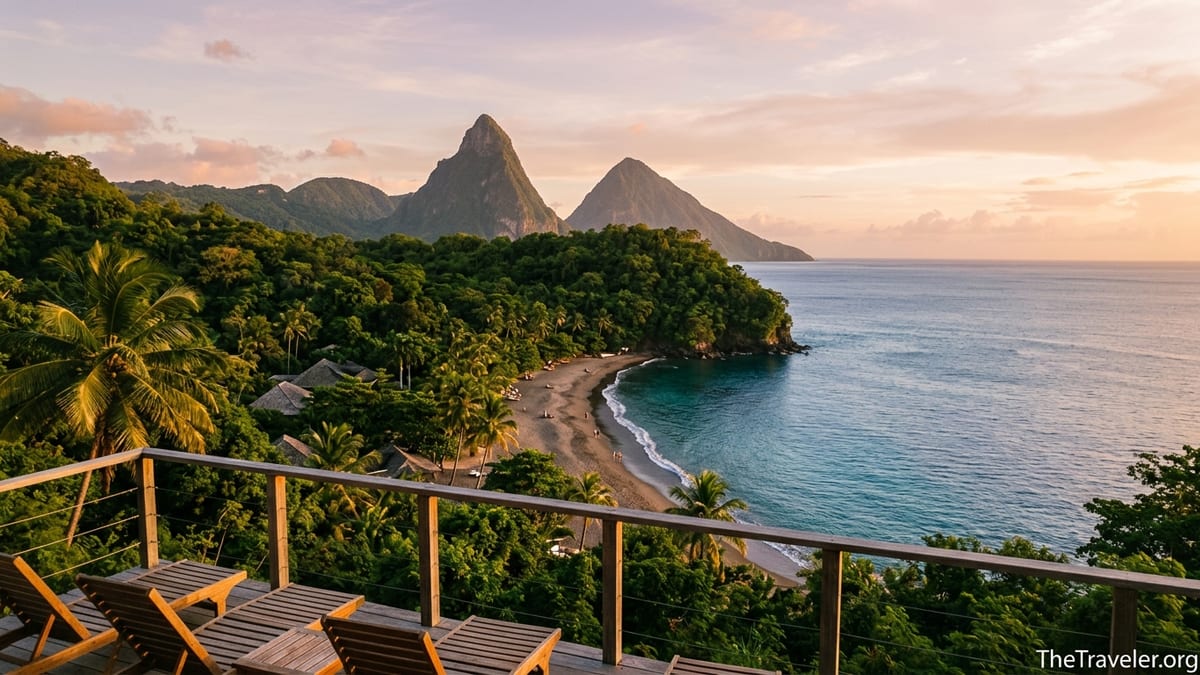
Anse Chastanet sits on Saint Lucia’s southwestern coast, a 10 to 15 minute drive along a steep, potholed access road from the town of Soufrière. The resort occupies a 600 acre former plantation that climbs sharply from sea level up into lush forest, with Anse Chastanet beach in front and the quieter Anse Mamin beach around the headland to the north. From most hillside areas you see the iconic twin Pitons rising out of the sea and, at beach level, you feel wrapped in greenery with very little development in sight aside from sister property Jade Mountain perched above.
The resort is intentionally low rise and spread out. Instead of one big hotel block, rooms are in small clusters on the hillside or in low buildings along the beach. Paths and stairways connect everything, so getting around often means walking through dense tropical vegetation accompanied by birdsong rather than traveling in elevators and air conditioned hallways. The atmosphere skews relaxed and somewhat bohemian: lots of repeat guests, divers, honeymooners and travelers who value nature, views and privacy over polished, modern luxury finishes.
Because of the topography, the feel of your stay will be shaped by where your room is located. Hilltop rooms trade direct beach access for sweeping views and cooling breezes, while beachside rooms put you steps from the water but feel more enclosed by trees and the neighboring hills. Anse Chastanet functions as a quieter alternative to large all inclusive resorts on the north of the island, with an emphasis on unplugging, enjoying the sea and using the property as a base for exploring the Soufrière area’s hot springs, waterfalls and hiking.
Nightlife on site is low key. Evenings tend to center on dinner, a drink at the beach bars or lounges and perhaps some live acoustic music rather than late night parties. If you picture a week divided between beach time, snorkeling or diving, the occasional hike or boat trip and long dinners with views of the Pitons, the overall vibe will likely fit you very well.
Room Types, Hillside Versus Beachside and View Choices
Anse Chastanet has 49 rooms plus a one of a kind Beach House suite. Around three quarters of the inventory is on the hillside in multiple categories, while a smaller number of rooms sit directly behind Anse Chastanet beach. Hillside categories include standard, superior and deluxe options, plus a few premium suites with larger terraces and more dramatic angles on the Pitons. Many hillside rooms are famous for having only three walls: the fourth is open to the view and fitted with a railing and curtains, with louvered shutters on interior walls instead of sealed windows. This design maximizes breeze and immersion in the environment but means you will hear birds, tree frogs and surf clearly.
Beachside rooms are enclosed, air conditioned and generally more conventional in layout. They are located in low buildings right behind the sand, with garden, partial ocean or full ocean views through palm trees. These units appeal to guests who prioritize proximity to the water and easy, flat walking access to the restaurants and dive center. If you have mobility considerations or simply dislike climbing stairs, the beach level rooms are usually the best choice, as most hillside units are accessed only via steep steps and sloping paths.
View wise, hillside rooms usually offer the most dramatic panoramas. Many upper level deluxe units frame both Gros Piton and Petit Piton in the distance, with the Caribbean Sea and Anse Chastanet bay below. Garden view hillside rooms sit lower and face into foliage, while still giving some water glimpses. On the beach side, views are more intimate, typically coconut palms, the narrow black sand beach and the sheltered bay. A concrete example: if you choose a mid range superior hillside room, you might be three or four flights of stairs above reception with a large open wall terrace looking to the Pitons and a constant breeze. A comparably priced beachside room would trade that for a smaller balcony but only a minute’s walk to the snorkeling area and bars.
Sound and privacy also differ by area. Hillside rooms feel more secluded, and because there are no public paths directly in front of the open terraces, you rarely see other guests unless they are in neighboring units. At the beach you will notice typical daytime activity: people walking to the dive center, children playing on the sand in school vacation weeks, and staff moving between the bars and watersports hut. At night, the hillside tends to be cooler and quieter, while beachfront rooms can pick up music from the beach bars on certain evenings. Consider how sensitive you are to noise and how much you value an uninterrupted horizon when choosing your category.
Beaches, Snorkeling, Diving and On Site Activities
One of Anse Chastanet’s biggest draws is direct access to two very good beaches in a marine reserve. Anse Chastanet beach is a narrow curve of dark volcanic sand backed by palms, the main restaurant and bar, and the dive center. The reef begins just offshore and is known on the island as an easy, rewarding snorkeling and introductory dive site, with healthy soft corals, sponges and schooling fish visible in shallow water. Guests typically borrow complimentary masks and fins from the watersports hut and enter from the roped off snorkel area right off the main jetty, which means you can go from your sun lounger to a colorful reef in under a minute.
Around the headland, Anse Mamin beach feels more remote. You can reach it in about 10 minutes on foot along a coastal path or in a few minutes by the resort’s boat shuttle. There is a small beach bar and grill, loungers and restrooms, but no guest rooms, so it almost always feels quieter than the main beach. Behind Anse Mamin, trails crisscross the old plantation, now a jungle valley with mango, cocoa and other tropical trees. Guided bike tours and nature walks run here, and it is not unusual to see birdwatchers heading out early to look for the island’s endemic species.
For divers, the on site PADI 5 Star center, typically operating under the Scuba St Lucia name, is a major advantage. It runs boat dives to nearby sites like Superman’s Flight below Petit Piton and other walls and reefs within about 20 minutes of the resort, along with shore dives on the house reef that were voted among the better Caribbean shore dives by enthusiast magazines. Certified divers usually make a mandatory first shore dive with the center before joining boat trips, and a typical week might involve a mix of two tank morning boat dives, optional afternoon shore dives and occasional night dives, all starting directly from the beach.
Non divers are not left out. Included activities usually cover basic watersports equipment such as kayaks, stand up paddleboards, sunfish sailboats and windsurfers, along with tennis and scheduled yoga classes. Chargeable experiences range from half day sailing trips along the coast to zipline excursions, sulfur springs and mud bath visits near Soufrière, and full day land and sea island tours that combine snorkeling stops with time in fishing villages. For example, many couples book a midweek boat trip that leaves directly from the resort’s jetty, stops to snorkel near the Pitons, visits the drive in volcano and a waterfall, then returns in time for sunset cocktails back on the beach.
Dining, Bars and Meal Plan Options
Anse Chastanet’s dining scene is more varied than its size suggests. The main Treehouse restaurant is set above the beach with open sided dining rooms looking out over the bay and often the Pitons. Breakfast is usually served here, with a la carte dishes such as tropical fruit plates, island style breakfasts and made to order eggs, and dinner brings a changing menu that blends Caribbean and international dishes. On the beach, a grill and bar serve lunch favorites like grilled fish, burgers, salads and roti, and host more casual dinner options some nights, often accompanied by live music.
One distinguishing feature is the emphasis on vegetarian and plant based food, influenced by the resort’s own Emerald Estate plantation in the hills above Soufrière. A dedicated vegetarian restaurant concept often appears either as a separate venue or as a strong presence on menus, with dishes based on estate grown produce. There is also an Indian Caribbean fusion restaurant, Apsara, that many guests single out for curries and tandoor dishes. Dessert menus often incorporate the resort’s own chocolate, which is also featured in tastings and occasional chocolate making classes.
From a booking standpoint, you can choose to stay on a room only basis or add meal plans that range from breakfast and dinner to full board and all inclusive. The breakfast and dinner plan usually includes a full breakfast and evening meal at most on site restaurants, while the all inclusive plan covers all meals and most house beverages by the glass. Some premium menu items, private beach dinners or dining at the Jade Mountain Club above the resort carry surcharges, even for all inclusive guests, and are clearly noted on menus. A practical example: a couple on the all inclusive plan could have breakfast in the Treehouse, a casual beach grill lunch and a three course dinner at Apsara without extra charges, but might pay a supplement if they book a private candlelit dinner on the sand one night.
Bar life centers on the beach bars and the lounges above the bay, where guests gather for sunset. Happy hours often feature rum based cocktails and local beer, with occasional live music. There is no nightclub or late closing bar, so evenings wind down relatively early. If you enjoy lingering over dinner and a nightcap with views rather than staying out into the small hours, the pace will suit you. When comparing to large inclusive resorts in the north of Saint Lucia, remember that drinks here are served in more intimate settings, and staff will often remember your preferences after a day or two.
Accessibility, Stairs and Who Will Be Comfortable
Because the resort is built into a steep hillside with rooms scattered at different elevations, accessibility is a key consideration. Most hillside rooms require climbing multiple flights of stairs, often on uneven stone steps. Interior spaces can have level changes and high thresholds, and the open wall design of many units may not feel secure to guests who prefer a more conventional hotel layout. Paths are lit at night, but you will want comfortable, non slip footwear and a level of fitness that makes climbs in warm, humid weather manageable.
The beach level is comparatively flat, with ramps in some areas and short, mostly level walks between beachside rooms, the bars, restaurants and the dive center. Guests with mobility challenges, including those who use canes or who tire easily on stairs, usually do best requesting a beachside room and confirming ground floor placement in advance. Even then, getting to some hillside restaurants will involve a short, steep ascent unless the property happens to be running transport for specific events. There is not the same level of step free access that you would find in a newly built Caribbean resort designed with full accessibility standards in mind.
Environmental factors also matter. Many hillside rooms rely on natural ventilation supplemented by ceiling fans rather than full air conditioning. While this suits guests who prefer fresh air and the sound of waves and tree frogs, it can be uncomfortable for those who are heat sensitive or who need sealed rooms and filtered air. Beachside rooms are generally air conditioned and quieter in terms of wildlife noise, although you may still hear surf, neighboring guests and, occasionally, early morning maintenance.
If you or a traveling companion live with a condition that affects balance, vision or tolerance for heat and humidity, it is worth discussing your needs directly with the resort before booking. For some, the effort of getting around the hillside is a fair tradeoff for the views and tranquility. For others, particularly older relatives on a family trip or anyone recovering from injury, a flatter, more modern property elsewhere might be a better choice.
Who Will Love Anse Chastanet and Who Should Think Twice
Anse Chastanet tends to suit travelers who actively want its blend of nature, views and low key service rather than those simply looking for a generic beach resort. Honeymooners and couples celebrating anniversaries are a major segment, especially those who imagine reading on a terrace with Piton views, snorkeling off the beach each morning, then dressing up a bit for dinner under ceiling fans at the Treehouse. Divers and snorkelers are another core audience, drawn by the on site dive center, house reef and easy access to some of the island’s best sites without long boat transfers or bus rides.
Repeat guests often talk about the resort feeling like a second home, where staff remember them and they slip easily into a rhythm of beach, sea, yoga, perhaps a plantation walk and relaxed evenings. Travelers who appreciate design elements like hand carved wooden furniture, local textiles and open air bathrooms, and who value locally sourced food and chocolate tastings over brand name spa products, usually find the character here appealing. If you have previously enjoyed eco leaning, hillside properties in places like Costa Rica, Tobago or Dominica, Anse Chastanet will likely feel aligned with your tastes.
On the other hand, those who prioritize seamless air conditioning, elevators, glossy marble lobbies and extensive entertainment programs may feel underwhelmed. Families with young children can stay, but there is no water park or kids club in the style of large all inclusive chains, and the terrain can be challenging with strollers. Travelers who are noise sensitive to natural sounds might struggle in open wall rooms where you will hear frogs, birds and surf at night, and light sleepers may prefer enclosed, air conditioned units at beach level.
Budget expectations should also be realistic. Anse Chastanet is priced as a high end boutique property and participates in specialist dive and honeymoon packages rather than mass market deals. While you can sometimes find value in shoulder season, daily rates, meal plan supplements and extras like private excursions and spa treatments add up quickly. If you are choosing between this and a more standardized resort at a similar price, the decision often comes down to whether you value the unique setting and atmosphere enough to accept the quirks that come with it.
Practical Booking Tips and Real World Scenarios
When booking, start by deciding whether you are a hillside or beach person. If you imagine waking to a wide open view of the Pitons and cooled by mountain breezes, note that these rooms are typically among the first to sell for peak dates such as January, February and major holiday weeks. Booking many months in advance gives you the best chance of securing a specific hillside category. For travelers who know they need air conditioning and minimal stairs, request a beachside room on the ground floor and confirm in writing that the allocation suits your needs, especially if you are traveling with older parents or anyone with mobility restrictions.
Next, consider meal plans in light of how much you want to explore off property. Soufrière has several independent restaurants reachable by taxi or boat, and many guests who stay a week choose to dine off site once or twice. If you like the idea of trying a few local spots and perhaps having lighter lunches some days, the breakfast and dinner plan (often called a modified American plan) can be a good balance. If you prefer to have virtually everything prepaid and know you will mostly stay on site, the all inclusive plan removes day to day decisions over food and house drinks. Remember that premium wines, top shelf spirits and private dinners usually cost extra whatever plan you choose.
Real world examples help clarify: a pair of keen divers might book a seven night dive and stay package that bundles a hillside superior room with breakfast and dinner plus a set number of boat dives, and then add some afternoon shore dives on the house reef once they arrive. A honeymoon couple less focused on diving might choose a higher category hillside deluxe room with strong Piton views, add an all inclusive plan, schedule a chocolate tasting, one or two excursions and perhaps a private sunset sail rather than multiple paid activities. A multigenerational group including grandparents could combine beachside rooms for older relatives with hillside rooms for younger couples, agreeing to meet at the beach bar and main restaurant so no one has to climb more than they wish.
Finally, pay attention to seasonal factors. Saint Lucia’s drier, busier months generally run from around mid December through April, with more humid, rainier conditions and lower prices in late summer and early autumn. Sea conditions for snorkeling and diving are often good year round near Anse Chastanet because the bay is sheltered, but visibility can vary with rainfall and swells. Travelers who are flexible on dates and who value quieter beaches sometimes find May, early June or November a sweet spot, with enough activity on site to feel social but easier room availability and occasionally better value offers.
The Takeaway
Anse Chastanet is a resort you choose for its sense of place rather than for checklist style amenities. It offers some of the most memorable views in the Caribbean, direct access to excellent snorkeling and diving, and a setting that feels deeply rooted in the landscape of Saint Lucia’s west coast. Rooms are individual rather than standardized, dining leans into local produce and chocolate from the resort’s own plantation, and the overall pace of life is unhurried.
If you are drawn to open air living, quiet beaches, time in and on the water and evenings that end with the sound of surf rather than a nightclub, Anse Chastanet is likely to feel special. If, on the other hand, you need elevators, broad flat paths, extensive entertainment or fully sealed, climate controlled rooms to be comfortable, you may be better served by a different style of property. Used thoughtfully, this guide should help you match your expectations and travel style to what this hillside and beachside hideaway actually delivers once you arrive.
FAQ
Q1. Is Anse Chastanet all inclusive?
Anse Chastanet is not automatically all inclusive, but you can book optional meal plans ranging from breakfast and dinner to full all inclusive with meals and most house drinks.
Q2. Which is better at Anse Chastanet, hillside or beachside rooms?
Hillside rooms usually have the best Piton and sea views plus strong breezes, while beachside rooms offer air conditioning and easy, mostly flat access to the sand and restaurants.
Q3. Is Anse Chastanet a good resort for scuba diving and snorkeling?
Yes, it has an on site PADI 5 Star dive center and a house reef just off the beach that is ideal for snorkeling, check dives and shore diving, with boat dives to nearby sites.
Q4. How difficult are the stairs and hills around the resort?
The hillside is steep and many rooms require climbing multiple flights of stone steps. Guests with mobility issues usually do best in beachside rooms close to the main facilities.
Q5. Are children and families welcome at Anse Chastanet?
Children are allowed, but the resort is geared more toward couples and divers. There is no large kids club or water park, and the terrain can be challenging for very young children.
Q6. What is the beach like at Anse Chastanet?
The main beach is a narrow curve of dark volcanic sand with calm, clear water and a reef close to shore. A quieter second beach, Anse Mamin, is reachable by footpath or boat shuttle.
Q7. Do the rooms have air conditioning?
Most open air hillside rooms rely on natural ventilation and ceiling fans, while beachside rooms are typically air conditioned and more enclosed, which some guests prefer for sleeping.
Q8. Is Anse Chastanet a good choice for a honeymoon?
Yes, it is very popular with honeymooners who want dramatic views, privacy, good food and easy access to snorkeling, diving and romantic excursions near the Pitons.
Q9. Can guests easily explore other parts of Saint Lucia from the resort?
Yes, the resort’s tour desk and dive center arrange boat and land excursions to attractions like the sulfur springs, waterfalls, hiking trails and coastal villages around the island.
Q10. How far is Anse Chastanet from the airport?
From the main international airport in the south it typically takes about one hour by road, depending on traffic, with options for private car or water transfer available at extra cost.