


More news on this day
Arizona’s western border towns are recalibrating daily routines and cross-border habits after the United States issued a new security alert for Mexicali, raising fresh questions about travel, trade, and safety along one of the Southwest’s busiest corridors.
Get the latest news straight to your inbox!
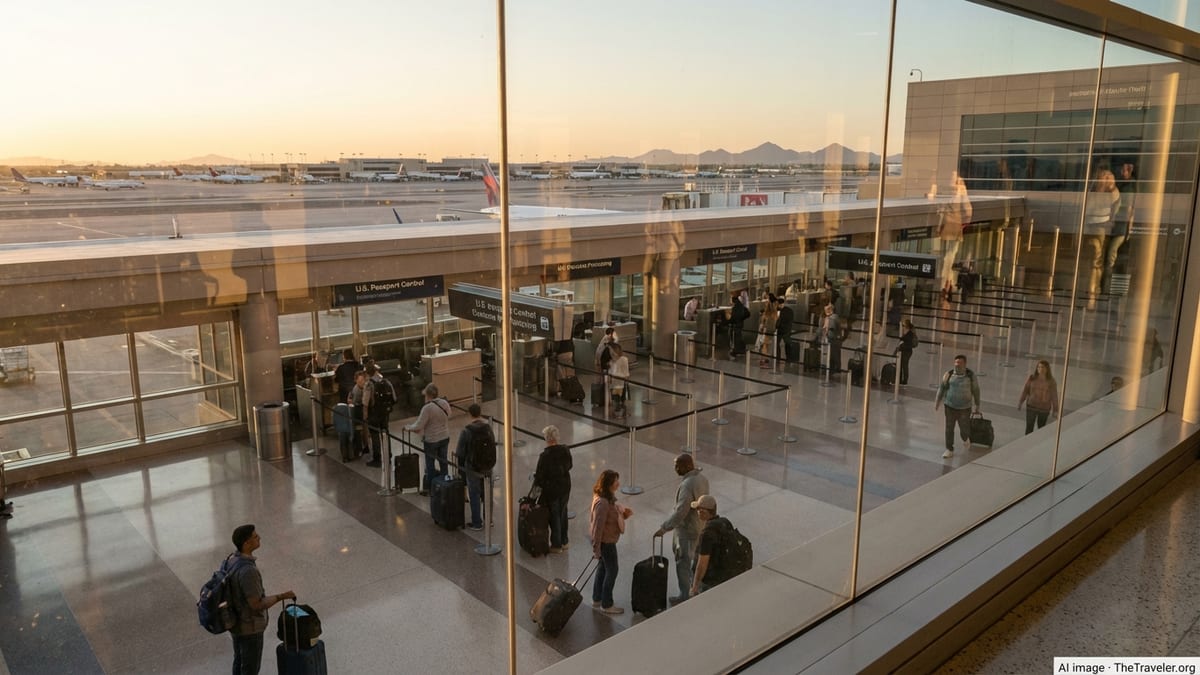
New Mexicali alert adds urgency to long-running security concerns
The latest alert, released late on August 24 by the U.S. consulate in Tijuana, advises U.S. government personnel to avoid travel to Mexicali and notes a potential threat in the Baja California state capital. Reports indicate that consular services in the city have been temporarily suspended while officials assess the situation and monitor for further developments.
The notice arrives on top of an already elevated backdrop. The U.S. State Department’s Mexico advisory currently places Baja California at a Level 3 rating, urging travelers to reconsider travel due to crime and kidnapping, with particular restrictions in the Mexicali Valley area east of the city. These longstanding warnings have made many Arizona residents who routinely cross the border more attuned to route planning, travel timing, and personal security.
Mexican federal authorities responded publicly on August 25, indicating they have not identified specific or imminent risks to the local population in Mexicali, while acknowledging that security agencies are reviewing information related to the U.S. alert. Local media coverage in Baja California has emphasized both the lack of visible unrest in the city and the desire by business interests to prevent an abrupt drop in cross-border visitors.
For Arizona travelers, the combination of the targeted alert and the standing Level 3 advisory is prompting closer scrutiny of whether trips to Mexicali are essential and how to build in contingency plans. Some residents are looking to alternative crossings or adjusting itineraries to remain on main highways and limit travel after dark in northern Mexico.
Border crossings stay open but travelers weigh new calculations
Ports of entry that link Arizona and northern Mexico, including San Luis and nearby crossings used by residents of Yuma County, remained operational as of August 26, with no broad closures announced in connection with the Mexicali alert. Publicly available information from U.S. Customs and Border Protection continues to highlight normal operating hours, though travelers are advised to monitor for changes.
Recent CBP notices have focused primarily on infrastructure work and lane configurations, particularly at San Luis I, where summer construction has affected vehicle traffic and wait times. Those updates, combined with the security alert further west in Mexicali, mean cross-border travelers may now be weighing both logistical delays and perceived safety risks when making decisions about weekend shopping runs, family visits, or medical appointments in Mexico.
Arizona transportation data shows that communities such as San Luis and Yuma function as gateways for both personal travel and freight. State border liaison information lists the San Luis ports of entry and nearby corridors as key conduits for regional mobility. Any significant, sustained downturn in cross-border trips, even if driven primarily by perception rather than direct incidents, could ripple through fuel stations, restaurants, retail outlets, and lodging on the U.S. side.
For now, reports from local outlets describe calm conditions at Arizona ports and no unusual enforcement surges linked directly to the Mexicali alert. However, residents who cross frequently are sharing informal guidance that mirrors official travel advice: keep documents ready, allow extra time for inspections, and stay informed through the State Department’s alert system.
Economic stakes high for Arizona’s border-dependent communities
Arizona’s western border economy relies heavily on short-term visits from residents of Mexicali, San Luis Río Colorado, and surrounding communities. Academic and state economic reports describe how holders of border crossing cards routinely travel into Arizona for shopping, services, and leisure, with spending concentrated in towns within the permitted travel zone around ports of entry.
Previous analyses of the Arizona-Sonora region suggest that even modest reductions in day trips from Mexico can dent local sales tax collections and reduce employment in sectors like retail, hospitality, and health services. Although the new alert is focused on Mexicali rather than on travel into Arizona, experience from earlier security events in northern Mexico indicates that negative headlines alone can influence decisions on both sides of the border.
Businesses in communities such as San Luis and Somerton depend on predictable weekend and holiday surges, many of them tied to family visits or shopping excursions by Mexican nationals. If residents of Mexicali choose to delay trips until there is greater clarity about the threat referenced in the alert, Arizona merchants may see slower traffic, even if local security conditions north of the line remain stable.
Regional trade advocates often point to the integrated nature of the Yuma-San Luis-Mexicali area, where supply chains, labor markets, and family ties cross the border daily. From that standpoint, a targeted alert for Mexicali is not only a safety advisory but also a signal that could temporarily disrupt patterns of movement that underpin the local economy.
Travelers turn to advisories and real-time data to make decisions
For both Arizona residents and visitors considering trips that might include Mexicali, publicly available resources have become crucial tools. The State Department’s Mexico advisory, updated in late May, details risk levels by state and outlines longstanding cautions for Baja California, while directing travelers to enroll in the Smart Traveler Enrollment Program in order to receive real-time alerts by email or text.
In parallel, CBP’s online border wait-time dashboard allows drivers and pedestrians to compare conditions across ports of entry, including San Luis. This data helps travelers decide when to cross and which route to use, particularly as construction projects and evolving security conditions can lengthen inspections or prompt temporary lane closures.
Non-government organizations and academic centers that monitor migration and border dynamics have also tracked conditions in Mexicali, noting the presence of several hundred migrants and asylum seekers in the city earlier this year. Their assessments emphasize that while many visitors experience uneventful trips, fluctuating enforcement actions, organized crime activity, and changing migrant flows can quickly alter local risk profiles.
With the new alert in place, travel specialists and online forums are steering would-be visitors toward a cautious approach: review official advisories before departure, share itineraries with family or friends, avoid remote rural zones, and maintain situational awareness around transportation hubs, entertainment districts, and late-night venues.
Balancing binational ties with a shifting security picture
For Arizona border towns, the Mexicali alert comes at a time when cross-border ties are both deep and politically sensitive. Local leaders have consistently promoted the region as a binational community whose daily life spans schools, clinics, farms, and factories on both sides of the international boundary.
Events in recent years, from pandemic-era restrictions to episodic security operations in Mexican states, show how quickly policies or advisories can reshape everyday realities for families that straddle the line. Residents with relatives in Mexicali are now gauging whether to postpone trips, invite family north instead, or rely more heavily on digital communication until the current alert is revised.
Public statements from Mexican federal security officials in the wake of the alert stress that they view Mexicali as calm and that there is no confirmed imminent threat, even as they continue to coordinate with other agencies. For many in Arizona, that message underscores the familiar challenge of interpreting differing assessments from two governments while trying to keep regular life moving.
As the situation evolves, the experience of border communities suggests that clear, timely information will shape outcomes as much as the security conditions themselves. Travelers, businesses, and local institutions from Yuma to San Luis are watching closely for the next advisory update that may either extend the caution surrounding Mexicali or signal a return to routine cross-border flows.
U.S. Department of State Mexico Travel Advisory
U.S. Mission Mexico Security Alerts