


Tampa has quietly transformed into one of Florida’s most enjoyable urban getaways, especially if you love walkable waterfronts, inventive food, and a side of thrill rides. Centered around the Hillsborough River and Tampa Bay, the city’s compact core makes it easy to hop from the Tampa Riverwalk to Ybor City, from craft breweries to rooftop bars, and from dolphin cruises to record-breaking roller coasters in a single long weekend. This guide focuses on the best things to do for travelers who care most about riverfront strolling, memorable meals, and relaxed waterfront fun.
Get the latest updates straight to your inbox!
Explore the Tampa Riverwalk From End to End
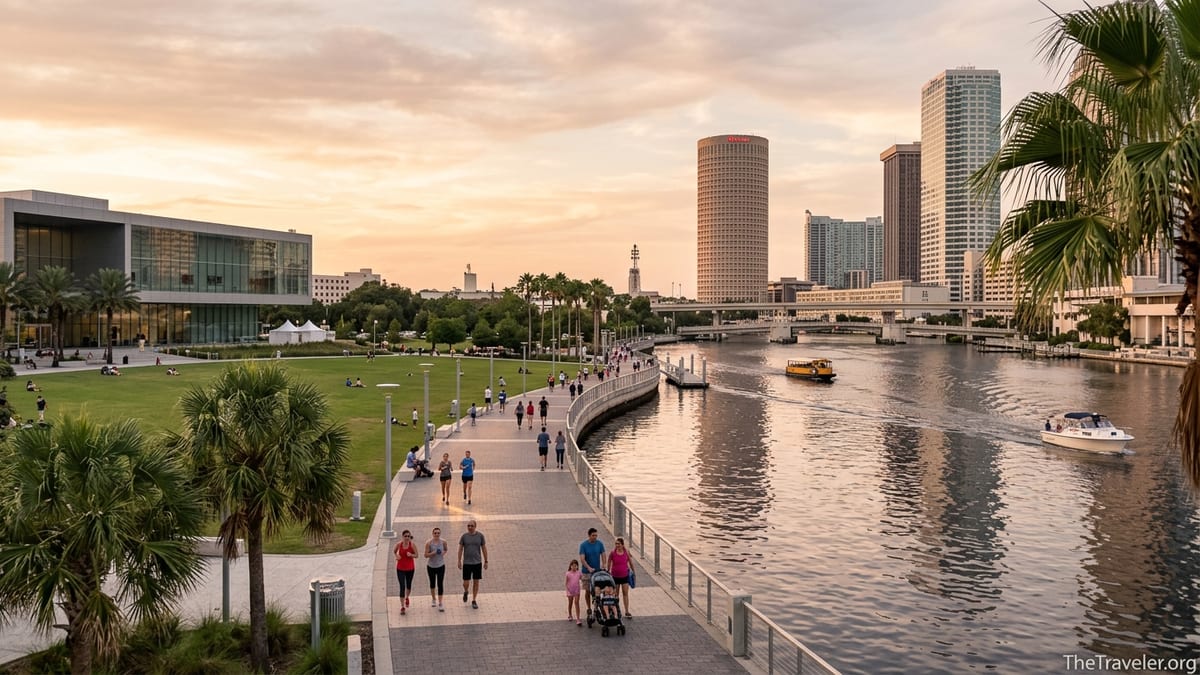
The Tampa Riverwalk is a 2.6-mile pedestrian promenade tracing the curve of the Hillsborough River through downtown and into the Channelside district. It connects many of the city’s biggest attractions, including museums, parks, hotels, and restaurants, so you can treat it as both a scenic walk and a practical way to get around. Most visitors start near the Tampa Convention Center, where wide paths, shaded seating, and river views set the tone for the rest of the walk.
Walking the full length at a relaxed pace with photo stops and breaks at cafés typically takes two to three hours. You will pass Curtis Hixon Waterfront Park, a large lawn popular for yoga classes and weekend events, and public art installations that light up after dark. Families often time their Riverwalk stroll to splash at the interactive fountains or let kids run in the open green spaces while adults grab a coffee or a local beer from kiosks nearby.
For travelers who prefer wheels to walking, rental kiosks and app-based scooters are widely available near major hotels and at several access points along the Riverwalk. In the early morning, you will see joggers using it as their daily running route, while evenings bring out couples on date night and groups heading toward Armature Works or down to Sparkman Wharf. Because the Riverwalk is well-lit and generally busy, many visitors are comfortable staying out here into the evening, especially on weekends.
If you want a different perspective, consider pairing your Riverwalk time with a water taxi or small boat ride. Several operators run hop-on, hop-off water taxis that stop at points like Armature Works, the Convention Center, and the Channel District. A typical all-day pass costs roughly what you would spend on two short rideshares, and the views of the skyline, University of Tampa minarets, and passing dolphins are a memorable bonus.
Eat and Drink Along the Waterfront: Armature Works, Ulele & More
Armature Works is one of Tampa’s signature food destinations, housed in a restored 1910 streetcar warehouse in the Tampa Heights neighborhood at the northern end of the Riverwalk. Inside, the main food hall features more than a dozen vendors ranging from Neapolitan-style pizza and ramen to poke bowls and gourmet ice cream. Prices are higher than a standard mall food court, with many casual entrées falling in the 15 to 25 dollar range, but the variety and atmosphere make it a favorite for groups who all want something different.
On pleasant evenings, the real draw is outside. Picnic tables and Adirondack chairs line a large lawn that looks directly across the river to downtown’s skyline. It is common to see families spreading out with kids playing cornhole while adults share trays of tacos or sushi, and groups of friends lingering over cocktails from the bars at each end of the hall. During peak weekend evenings in high season, expect a lively crowd and some wait times for the most popular vendors, so arriving before 6 p.m. can make the experience much smoother.
A few steps south along the Riverwalk brings you to Ulele, a full-service restaurant that focuses on Florida ingredients and native-inspired dishes. Diners might start with alligator hush puppies or charbroiled oysters before moving to entrées like Florida pompano or the house burger topped with guacamole. The restaurant’s on-site brewery produces craft beers that pair well with a sunset view from the riverside patio. It is a good spot for a slightly more upscale dinner without feeling formal, and reservations are strongly recommended for weekend nights.
At the opposite end of the Riverwalk near the Tampa Convention Center, The Sail Plaza offers a casual, open-air bar that looks straight out over the water. Here, you can order a local lager, a simple fish sandwich, or tacos from Big Ray’s Fish Camp outpost and watch boats glide by. This is an easy place to end a day of walking: order at the counter, find a seat on the deck, and let the evening breeze do the rest.
Thrills and Wildlife Encounters at Busch Gardens & The Florida Aquarium
Busch Gardens Tampa Bay, located about a 20-minute drive from downtown under normal traffic, blends high-intensity roller coasters with one of the more substantial zoos in the Southeast. Travelers who enjoy thrill rides will find marquee coasters such as Iron Gwazi, an intensely fast hybrid wood-and-steel ride, and other looping and launch coasters spread across themed areas inspired by African regions. Single-day ticket prices vary by season and promotion but frequently land in a range that encourages visitors to look for online discounts, multi-day offers, or combined tickets with nearby water parks.
Beyond the coasters, Busch Gardens is a strong choice for families and animal lovers. Safari-style rides through open habitats allow you to see giraffes, zebras, and antelope, with optional upcharge tours that include feeding experiences. You can also walk through habitats featuring tigers, gorillas, and smaller species along shaded pathways. Food inside the park is typical of large theme parks, with burgers, barbecue plates, and pizza sold at a premium, so many visitors plan a substantial midday meal and snacks rather than several smaller purchases.
Back on the waterfront, the Florida Aquarium occupies a prime spot in the Channelside district, not far from the cruise terminals. Inside, exhibits highlight sea life from Florida’s freshwater springs down to the Gulf of Mexico and beyond. Visitors can walk through tunnel tanks with rays and small sharks overhead, watch playful river otters, and see coral reef habitats teeming with tropical fish. General admission prices are on par with major U.S. urban aquariums, with timed-entry reservations common during busy school holiday periods.
For travelers prioritizing waterfront fun, the aquarium also offers options beyond its indoor exhibits. Weather-permitting, you can book a dolphin cruise that departs from the nearby dock, giving you a chance to spot wild bottlenose dolphins and seabirds out in Tampa Bay. These cruises typically last around 75 to 90 minutes and are a popular way to fill an afternoon before returning to the Riverwalk for dinner.
Step Into Tampa’s Character Neighborhoods: Ybor City & Hyde Park
Ybor City, just a short streetcar or rideshare trip from downtown, is Tampa’s historic Latin quarter and former cigar-making hub. Brick streets, wrought iron balconies, and restored factory buildings give the neighborhood an atmosphere distinct from the modern high-rises along the river. By day, visitors often tour small museums, wander cigar shops where rollers still handcraft cigars, and photograph the iconic roosters that roam freely in certain blocks.
Food is a central part of the Ybor experience. Classic Cuban sandwiches, a hallmark of Tampa’s culinary identity, are easy to find here, typically built on pressed Cuban bread with roast pork, ham, Swiss cheese, pickles, and mustard. Prices for a hearty sandwich lunch with a drink will usually fall into the 15 to 20 dollar range per person at sit-down spots. In the evening, Ybor transforms into one of the city’s main nightlife districts, with live music venues, craft cocktail bars, and late-night eateries drawing a younger crowd.
Hyde Park, southwest of downtown and close to Bayshore Boulevard, offers a different type of neighborhood charm. This historic residential area is known for well-preserved early 20th-century homes, leafy streets, and a stylish open-air shopping and dining district centered around Hyde Park Village. Visitors can browse boutiques, sip coffee on shaded patios, or settle into brunch at one of the neighborhood’s popular restaurants before or after a walk along the bay.
While Hyde Park itself is not directly on the Riverwalk, it pairs naturally with a morning or evening on Bayshore Boulevard thanks to short walking connections. Travelers who enjoy architecture and quieter residential streets often combine the two: a loop along Bayshore’s water views followed by a detour into Hyde Park’s side streets to admire historic homes before grabbing a drink or dessert at the village.
Walk, Run, or Bike Bayshore Boulevard’s Iconic Waterfront
Bayshore Boulevard curves gently along Hillsborough Bay, just south of downtown, and is widely promoted as home to one of the longest continuous sidewalks in the United States. The paved path runs about 4.5 miles, with a low balustrade separating pedestrians from the water and views stretching across the bay to the skyline and Davis Islands. For many locals, an early morning run or evening stroll on Bayshore is a daily ritual.
Visitors can access Bayshore easily from downtown via short rideshare trips or by staying in nearby South Tampa or Hyde Park accommodations. There is limited roadside parking along certain segments, so arriving earlier in the day often makes it easier to find a space. The sidewalk is wide enough to comfortably handle runners, walkers, and people pushing strollers, though it can feel busy during peak cooler hours in winter and spring.
Bayshore is particularly appealing to travelers focused on waterfront wellness. A simple out-and-back walk of two to three miles delivers consistent water views, breezes coming off the bay, and glimpses of stately historic homes lining the inland side of the road. There is very little shade along much of the route, so visitors should bring water, sunscreen, and a hat, especially in the hotter, more humid months.
Because Bayshore connects several parks and residential pockets, it also works as a casual sightseeing route. You might see pelicans and other seabirds perched on pilings, small boats headed in and out of nearby marinas, and, during certain events, temporary stages and bleachers set up along the grass. On days when downtown feels crowded, Bayshore’s long, linear openness provides an easy escape without leaving the urban core.
Museums, Culture, and Family-Friendly Stops on and Near the Riverwalk
Several of Tampa’s key cultural institutions sit directly on or very close to the Riverwalk, making it simple to blend art and history into a day of walking and waterfront dining. The Tampa Museum of Art, overlooking Curtis Hixon Waterfront Park, focuses on a mix of contemporary exhibits and classical pieces, with rotating shows that might feature photography, sculpture, or ancient Mediterranean artifacts. Its glass and metal facade is striking from the outside, particularly when illuminated at night, so even travelers who do not step inside often pause here for photos.
Next door, the Glazer Children’s Museum is tailored to younger travelers, with hands-on exhibits like a pretend grocery store, firehouse, and building zones. Families with kids under 10 often spend two to three hours here, especially during the afternoon heat, before returning to the park lawns or Riverwalk for fresh air. Combination days that pair a morning at the museum with an evening ride on the water taxi are common in family itineraries.
Across the river, the Henry B. Plant Museum on the University of Tampa campus occupies part of a former grand hotel built in the late 19th century. The building’s silver minarets have become one of Tampa’s architectural icons, visible from many points along the Riverwalk. Inside, exhibits focus on Florida’s Gilded Age tourism and the history of the hotel. Even if you do not tour the museum, a short walk through the campus grounds offers a peaceful break from downtown’s glass towers.
Tying these cultural stops together is easy without a car. Many visitors simply use the Riverwalk itself as their main thoroughfare, cutting across bridges or up side streets when they want to reach a particular museum. Plan for admission fees in line with other U.S. mid-sized city museums, with discounts frequently available for children, students, or seniors.
Waterfront Activities: From Kayaks to Sunset Cruises
Thanks to its setting on both a river and a bay, Tampa offers more water-based activities than many inland Florida cities. Along the downtown waterfront and near the Riverwalk, you will find rental outfits offering kayaks, stand-up paddleboards, and small electric boats. Paddling on the Hillsborough River near the Convention Center area gives beginners relatively calm water, city views, and the chance to float under several bridges while watching for manatees in cooler months.
For those who prefer a more relaxed experience, numerous boat tours and cruises depart from docks close to the Riverwalk and Channel District. Options range from one- to two-hour narrated sightseeing cruises that focus on skyline views and local history to themed trips like sunset cruises on Tampa Bay. Prices vary by operator and length but are generally comparable to other major U.S. coastal cities, with evening departures typically costing a bit more than daytime ones.
Fishing enthusiasts can look into inshore charters that target species such as snook, redfish, and sea trout in the bay and surrounding estuaries. These trips often depart from marinas a short drive from downtown and usually include gear, bait, and guidance from a local captain. For first-time visitors, sharing a half-day charter with a small group can be a cost-effective way to get out on the water without needing your own equipment or local knowledge.
Back on land, simple pleasures like grabbing a drink at a riverfront bar, people-watching from public benches, or watching the bridges and buildings light up after sunset are very much part of Tampa’s waterfront appeal. Many travelers end up spending more time than expected just lingering along the Riverwalk, shifting naturally between activity and relaxation as the day goes on.
The Takeaway
For travelers seeking a mix of walkable waterfront, distinctive food, cultural stops, and a touch of high-energy fun, Tampa delivers more than its relaxed reputation might suggest. The Tampa Riverwalk functions as the city’s spine, connecting you to restaurants like Armature Works and Ulele, museums, and parks without needing to constantly get in a car. Bayshore Boulevard and Hyde Park add a scenic, residential counterpoint, while Ybor City showcases the city’s historic and Latin character.
Layer in a day of adrenaline at Busch Gardens Tampa Bay, a few hours exploring marine life at the Florida Aquarium, and time on the water in a kayak or on a sunset cruise, and you have a long weekend that balances excitement with easygoing moments by the river. Prices for food and activities generally align with other popular Florida cities, though planning ahead for theme-park tickets and selecting a few key restaurant splurges will help keep your budget on track.
Ultimately, the best way to enjoy Tampa is to slow down enough to let the waterfront set your pace. Start with a coffee on the Riverwalk, wander until you stumble upon a museum or food hall that catches your eye, and end the day watching the skyline reflect in the water as the lights come on. For many visitors, that simple combination of river breeze, good food, and approachable city energy is exactly what brings them back.
FAQ
Q1. When is the best time of year to visit Tampa for Riverwalk and waterfront activities?
The most comfortable months are typically from late October through April, when temperatures and humidity are lower and walking the Riverwalk or Bayshore Boulevard feels pleasant throughout the day.
Q2. Do I need a car to enjoy the Tampa Riverwalk and nearby attractions?
If you stay downtown or in the Channel District, you can reach the Riverwalk, many museums, the aquarium, and several restaurants on foot or by streetcar, though you may want a rideshare or rental car for Busch Gardens and more distant neighborhoods.
Q3. How much time should I plan for Busch Gardens Tampa Bay?
Most visitors devote a full day to Busch Gardens, especially if they want to experience several major roller coasters plus some animal exhibits, and find that arriving near opening time helps avoid the longest lines.
Q4. Is the Tampa Riverwalk suitable for families with young children?
Yes, the Riverwalk is stroller-friendly and passes playgrounds, splash areas, the Glazer Children’s Museum, and open lawns, making it easy to combine gentle walking with kid-focused stops and breaks.
Q5. What should I budget for meals at Armature Works and similar food halls?
At Armature Works, many individual meals fall in the mid-teens to mid-twenties per person before drinks, so a casual dinner for two with beverages can easily land in the 40 to 60 dollar range before tip.
Q6. Can I swim in the water along the Tampa Riverwalk or Bayshore Boulevard?
No, the waterfront in these areas is not set up for public swimming, so visitors typically enjoy the water through boat tours, kayaks, or paddleboards rather than getting in directly.
Q7. How far is Ybor City from the Riverwalk, and is it easy to reach?
Ybor City is only a few miles from downtown and can be reached in minutes by rideshare or historic streetcar, making it a straightforward side trip for an afternoon of exploring and an evening meal.
Q8. Are there good options for travelers who do not ride roller coasters at Busch Gardens?
Yes, even without coasters, visitors can enjoy safari-style tours, animal habitats, live shows, and gentler rides, so non-thrill-seekers still find plenty to fill several hours.
Q9. Is Bayshore Boulevard safe for walking and running after dark?
Many locals do use Bayshore in the early morning and evening, but visitors should use normal urban precautions, stick to busier times, and consider staying closer to well-lit segments near residential areas.
Q10. How many days do I need to see the Riverwalk, Busch Gardens, and key neighborhoods?
A three- to four-day trip usually allows time for a full day at Busch Gardens, one packed day along the Riverwalk and waterfront, and another day to explore Ybor City, Hyde Park, and Bayshore Boulevard at a relaxed pace.