


The Florida Panhandle stretches from Pensacola to Panama City Beach and beyond, lining the northern Gulf of Mexico with sugar-white sand and shifting shades of emerald water. The beaches are inviting year-round, but the overall experience changes sharply with the seasons. To answer the practical question of when to visit, you need to weigh warm water and reliable beach weather against crowds, prices and the realities of hurricane season, using recent climate norms as a guide and remembering that every year behaves a little differently.
Get the latest updates straight to your inbox!
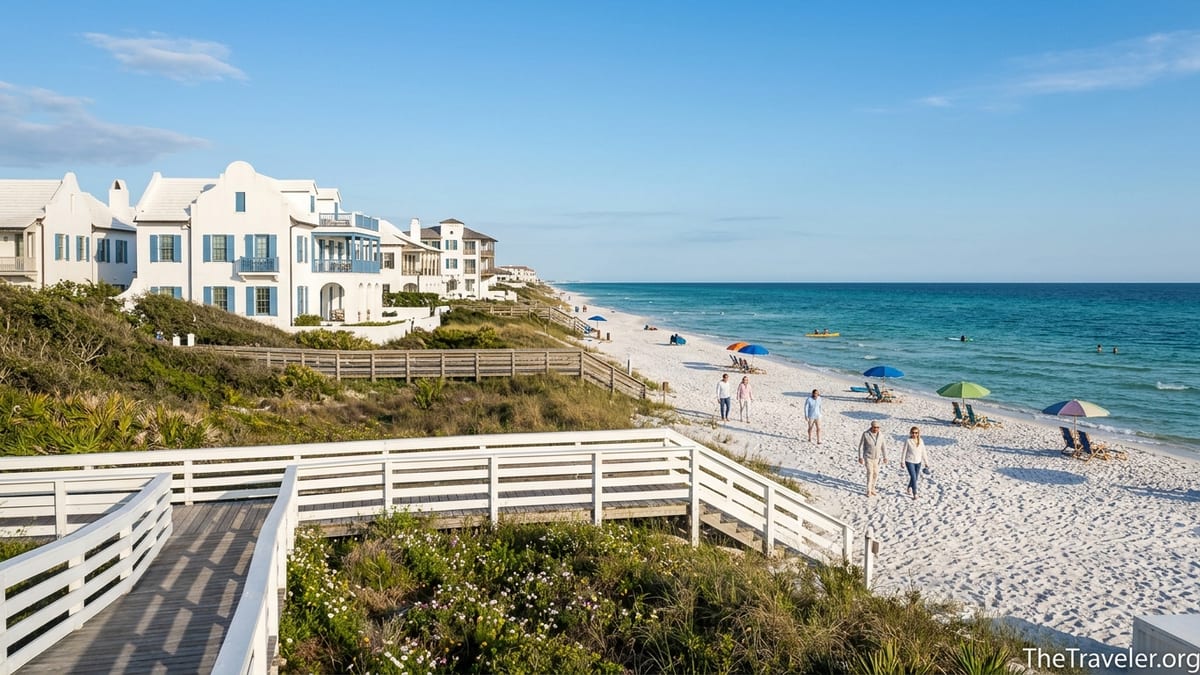
Understanding the Panhandle’s Seasonal Rhythm
From a climate perspective, the Florida Panhandle has long, warm summers and short, mild winters, with spring and fall acting as transitional shoulder seasons. Recent 30‑year climate normals from stations near Destin, Pensacola and Panama City Beach show average high temperatures generally in the low to mid 60s Fahrenheit in midwinter, rising into the 70s and 80s in spring and fall, and reaching around or a little above 90 degrees on typical midsummer afternoons. Rainfall is possible in any month but tends to increase from late spring into summer, when short, intense thunderstorms become more common. These numbers are based on historical averages and do not guarantee specific conditions in any given week.
Along the Gulf, sea surface temperatures warm more slowly than the air in spring and cool more slowly in autumn. Basin‑wide Gulf of Mexico data indicate that average water temperatures climb from the low to mid 70s Fahrenheit in March to the mid 80s in late summer, then drift down again through fall. The northern Gulf shelf along the Panhandle runs a few degrees cooler than the basin average in winter and early spring and a bit closer to it by late summer, which means beachgoers often encounter pleasantly warm water from roughly late May through early October, but may find it noticeably cool earlier in the year even on sunny, warm days.
Layered on top of weather and water patterns are human rhythms: school calendars, spring break, summer vacations and winter “snowbird” migrations from colder states. Short‑term rental and hotel calendars in Destin and Panama City Beach show peak occupancy and higher nightly minimums during mid‑summer and around major school holidays, with more availability in late spring and fall shoulder periods. Visitors who understand these seasonal swings can choose windows that align with their priorities for water warmth, crowd levels and budget.
Spring: Warming Weather, Mixed Crowds and Rising Water Temps
Spring on the Florida Panhandle, roughly March through May, is one of the most appealing times for comfortable air temperatures. Climate normals for coastal stations near Destin and Panama City Beach show average highs progressing from the low 70s Fahrenheit in March to the upper 70s in April and low to mid 80s in May, with nights moving from the low to mid 50s into the 60s. Humidity is generally more moderate than in midsummer, especially in March and early April, and rainfall is often lower than in the wettest summer months, although passing fronts can still bring cool breezes and occasional stormy days. Travelers should be prepared for variability, with some March and early April days feeling more like late winter and others already hinting at summer.
Spring water temperatures lag behind the air. Gulf sea surface data suggest that the broader basin runs in the low to mid 70s Fahrenheit on average in March and April, warming into the upper 70s by May, with the shallow northern Gulf often slightly cooler at the start of that period. In practice, that means many visitors find March water brisk, especially on windy days, while stronger sun and rising temperatures in late April and May make swims and longer wades more comfortable. Families with young children or travelers sensitive to cooler water often prefer late April into May, when both air and sea have had more time to warm.
Crowd patterns in spring are strongly shaped by school calendars. College and K‑12 spring breaks bring surges of visitors to beach towns such as Panama City Beach and Destin in March and early April. Local tourism boards and rental platforms show higher occupancy and stricter minimum stays during these weeks, particularly around Easter when it falls in March or April. Outside of peak spring break dates, late April and much of May often function as shoulder season, with pleasant weather, rising water temperatures and somewhat more manageable prices than the core of summer, though weekends can still be busy as regional visitors drive in for short stays.
For planners, spring in the Panhandle is a balancing act. Travelers seeking active days outdoors, such as hiking in state parks, kayaking in coastal dune lakes or playing golf, often gravitate to March and April for milder heat and lower humidity, accepting that the Gulf may feel cool. Those who care most about warm‑feeling water but still want to avoid midsummer crowds may find mid to late May a sweet spot, understanding that afternoon thunderstorms and the first tropical disturbances of the warm season can begin to appear as the calendar approaches June.
Summer: Peak Heat, Peak Crowds and the Heart of Hurricane Season
Summer, broadly June through August, delivers the classic Panhandle beach experience: hot, humid afternoons, abundant sunshine between storms and the warmest Gulf waters of the year. Climate normals for Destin and nearby coastal stations show average high temperatures close to the upper 80s to around 90 degrees Fahrenheit in June, July and August, with warm nights typically in the mid 70s. Humidity is high, and the combination of heat and moisture pushes afternoon heat index values above actual air temperatures. This is also the wettest time of year, with average monthly rainfall peaking in midsummer as short, intense thunderstorms bubble up, especially in the afternoon and evening. Many days still offer long, usable beach windows in the morning and between showers, but visitors should expect passing downpours and bring flexible plans.
Gulf water temperatures reach their peak in late summer. Long‑term sea surface records for the Gulf of Mexico show average basin‑wide temperatures climbing into the low to mid 80s Fahrenheit by June and reaching the mid 80s or higher in July, August and early September. Along the Panhandle, that typically translates into very warm, bath‑like water for swimming and water sports. For travelers who prioritize the warmest possible water, late July through early September is often the most reliable period, though short‑term weather, upwelling events and storm passages can cause brief dips or localized changes.
Summer is also the busiest and most expensive time to visit the Florida Panhandle. Short‑term rental and hotel listings in Destin, Pensacola Beach and Panama City Beach show high occupancy and premium nightly minimums from roughly mid‑June through early August, driven by school holidays across the United States. Popular condominium complexes and beach houses may book months in advance, especially for Saturday‑to‑Saturday stays. Beach crowds thicken, restaurant waits lengthen in the evenings and traffic on main coastal corridors slows, particularly on weekends and holidays such as the Fourth of July. Travelers willing to accept higher prices and more company on the sand, in exchange for near‑guaranteed warm water and fully active tourism infrastructure, often choose this window.
Summer also coincides with the heart of Atlantic hurricane season, which officially runs from June 1 through November 30. Historical records show that the Panhandle has experienced landfalls and close passes from tropical storms and hurricanes in late summer and fall, and the broader Gulf region can influence local conditions even when a storm tracks elsewhere. Tropical systems can generate hazardous surf and rip currents hundreds of miles from their center, leading to red‑flag days when swimming is strongly discouraged or prohibited by local authorities. Travelers visiting in late summer should monitor official forecasts in the week before and during their trip and understand the refund or rebooking policies for their lodging, but they do not need to assume that every trip will be disrupted. In many years, the majority of summer weeks pass with only routine afternoon thunderstorms and calm seas.
Fall: Warm Water, Easing Crowds and Increasing Storm Risk
Fall on the Florida Panhandle, roughly September through November, offers some of the region’s best trade‑offs for many travelers, particularly in early to mid‑season. Climate normals show average highs in the upper 80s Fahrenheit in September, easing into the low 80s in October and low 70s in November, with nighttime lows dropping from the low 70s to the 60s and then 50s as the season progresses. Humidity and rainfall begin to decline from peak summer levels by October, leading to more frequent clear, comfortably warm days, especially later in the season. By November, many days feel almost springlike, although cold fronts can occasionally bring a brief run of cool, breezy weather.
Water temperatures stay warm well into fall. Gulf sea surface data indicate that average basin‑wide temperatures remain in the mid 80s Fahrenheit in September and low 80s in October before cooling into the upper 70s in November. Along the Panhandle shelf, swimmers typically find the Gulf still pleasantly warm in September and much of October, though individual tolerance varies. By late October and November, cooler mornings and breezes can make long swims feel brisk to some, even while others continue to enjoy the water without hesitation. For many visitors, especially those sensitive to heat, early to mid‑October offers an appealing mix of warm water and more comfortable air.
Crowd and pricing patterns in fall reflect the end of the school holiday rush. Rental calendars and tourism commentary for Destin and Panama City Beach show a clear easing in demand after Labor Day, with lower average nightly minimums and more flexible stays by late September and October compared with midsummer. Weekends can still be lively, particularly during regional events and fishing tournaments, but overall beach density and restaurant waits shrink. Some family‑oriented attractions begin to reduce hours or move to weekend‑focused schedules as visitor numbers drop, although core services such as boat tours, fishing charters and dolphin cruises typically continue with slightly fewer daily departures.
The main caveat for fall travel is hurricane and tropical storm risk, which often peaks in the Gulf region between late August and October. In recent years, several significant tropical systems have affected the broader northern Gulf Coast in this window, occasionally bringing heavy rain, strong winds, storm surge and extended power outages to parts of the Panhandle. Even distant storms can drive elevated surf and dangerous rip currents. Prospective visitors should factor this into their planning by purchasing travel coverage if appropriate, staying in touch with official forecasts and being prepared to adjust plans when advisories are issued. At the same time, it is worth noting that many fall weeks pass with calm seas and blue skies, making this one of the most rewarding seasons when conditions line up.
Winter: Mild Air, Cool Water and Snowbird Season
Winter along the Florida Panhandle, roughly December through February, is generally mild compared with much of the United States, but it is not a tropical beach season in the classic sense. Climate normals at coastal stations such as Pensacola and Destin show average daytime highs in the low to mid 60s Fahrenheit during the coolest months, with nights in the mid 40s to near 50. Cold fronts can periodically drop temperatures lower for a day or two, and north winds can make the shore feel cooler than inland areas, while sunny afternoons between fronts can still feel pleasantly warm for walking the beach or sitting outside in a light jacket. Rainfall continues, but the pattern shifts more toward occasional frontal systems rather than daily thunderstorms.
Gulf water temperatures reach their lowest point in winter. Basin‑wide averages in the Gulf of Mexico generally run in the low 70s Fahrenheit in January and February, with the shallow northern Gulf along the Panhandle often several degrees cooler. Many swimmers find the water too chilly for extended dips without a wetsuit, though brief, invigorating swims are still possible for those accustomed to cooler seas. Beach time in winter often centers more on walking, shelling, birdwatching and enjoying the low angle of the sun rather than on long water sessions.
Winter is also snowbird season. Long‑term visitors from colder states often book condos and park in RV resorts for several weeks or months, particularly in January and February. Accommodation calendars in Destin, Fort Walton Beach and Panama City Beach show that while short‑term nightly rates can be lower in winter than in peak summer, availability of certain property types for week‑long vacations may be tighter due to longer stays. Restaurants, golf courses and some attractions remain active to serve this winter population, but some highly seasonal operations, such as certain water parks or limited‑capacity tour boats, may reduce schedules or close until spring. For travelers seeking quiet beaches, mild weather and value, winter can be appealing, provided they are comfortable with cool water and pack layers.
Weather variability is an important consideration in winter. While climate normals provide an average picture, individual weeks can skew warmer or cooler. Some periods in December and February deliver stretches of almost springlike warmth, while others bring gray, breezy days better suited to exploring historic districts in Pensacola or visiting nature preserves than to sitting on the sand. Flexible expectations and a focus on broader regional experiences, such as state parks, coastal towns and seafood, help winter visitors enjoy what the Panhandle offers at this time of year.
Gulf Water Temperatures and Swimming Comfort
Because many travelers to the Florida Panhandle care deeply about swimming conditions, it is worth isolating water temperature patterns. Long‑term sea surface records for the Gulf of Mexico show a clear annual cycle: water is coolest in late winter, begins a steady warm‑up in spring, peaks in late summer or very early fall and then gradually cools again. On the northern Gulf shelf along the Panhandle, where depths are relatively shallow, this pattern is accentuated by local weather, with water often running cooler than the basin average in late winter and early spring and tracking closer to it by late summer.
In practical terms, travelers are most likely to find the Gulf feeling cool to chilly from roughly December through early April, with the coldest water often in late January or February. During this period, even if air temperatures climb into the 60s or low 70s Fahrenheit on sunny afternoons, the contrast between air and water can make swims feel brisk. As the season shifts toward late April and May, water temperatures usually climb into a range that many swimmers find comfortable for longer dips, especially on calm, sunny days. From approximately late May through early October, the Gulf around the Panhandle is typically warm to very warm, supporting extended swimming, snorkeling and other water activities without much chill for most people.
Early fall can be especially pleasant for those who prioritize warm water, because sea temperatures tend to lag behind cooling air. In many years, September and the first half of October deliver water that still feels like midsummer while air temperatures and humidity slowly ease. By late October and November, the water begins to cool noticeably, though it may remain comfortable for some swimmers, especially during warm spells. Since actual values vary by year, recent sea surface measurements from marine buoys or coastal observation sites provide the best guidance in the weeks before a trip, particularly at the edges of the warm season.
Holiday Peaks, Events and Seasonal Experiences
Beyond broad seasonal patterns, several specific periods and activities can influence the best time to visit the Florida Panhandle. In spring, college and school spring breaks create noticeable spikes in crowd levels, especially in March and early April. Destinations such as Panama City Beach have, at times, adjusted policies and event calendars in response to spring break dynamics, and local tourism agencies now tend to position late April and May as more family‑oriented windows. Around Easter and long holiday weekends, accommodation calendars often show higher demand and pricing even when they fall outside the absolute core of the season.
Summer holidays such as Memorial Day, the Fourth of July and Labor Day bring additional surges, with fireworks displays, concerts and beach festivals drawing both overnight visitors and day trippers from nearby cities. These weekends can be lively and memorable for travelers who enjoy crowds and events, but they also mean heavier traffic, tighter parking and premium prices. By contrast, many fall festivals and fishing tournaments, which often take place from late September into November, attract more targeted interest, slightly boosting occupancy without reaching midsummer intensity.
Seasonal experiences can also pull visitors toward particular windows. Fall is a favored time for camping and hiking in Panhandle state parks such as those that protect coastal dunes and pine forests, thanks to cooler air, fewer biting insects and lower humidity compared with midsummer. Off‑season fishing, both inshore and offshore, remains active through much of the year, with local captains shifting target species as seasons and water temperatures change. Winter brings migratory birds to coastal wetlands and islands, offering rewarding birdwatching for those willing to bundle up on cooler mornings. Many dolphin‑watching cruises, fishing charters and eco‑tours on coastal dune lakes operate year‑round or nearly so, though schedules may thin in winter and on weekdays outside peak periods.
Not every attraction is open in every season. Some water parks, seasonal beachfront bars and amusement rides shut down or move to limited hours in the coolest months, particularly January and February, then ramp up again around spring break. Prospective visitors who have specific activities in mind, such as parasailing or certain kids’ attractions, should check current season calendars close to their travel dates. In general, though, the core draw of the Panhandle’s beaches and coastal landscapes remains accessible every month of the year, with different flavors and trade‑offs depending on when you go.
Matching Traveler Profiles to the Best Months
Because the “best” time to visit the Florida Panhandle depends heavily on personal priorities and constraints, it can be helpful to think in terms of traveler profiles. Families tied to school holidays often gravitate toward the peak summer window from mid‑June through early August. This period offers the highest probability of hot, sunny weather and very warm water, along with the fullest slate of attractions and kids’ activities. The trade‑offs are higher prices, heavier crowds, potentially stronger heat and humidity, and the heart of hurricane season. Families who can accept a bit of uncertainty and pull children out of school for a week may instead look to late May or early October for somewhat lower prices and slightly milder conditions, with water usually still warm enough for extended swims.
Couples or small groups seeking quiet and good value typically do best in the shoulder seasons of late April into May and late September into October. During these windows, daytime temperatures are usually warm but not oppressive, evenings are pleasant for dining outdoors and crowds are lighter than in midsummer. Lodging availability improves, and prices tend to moderate compared with school holiday peaks, though they may still rise around specific events or holiday weekends. Early fall travelers should remain aware of tropical storm risk, while spring visitors should recognize that water may feel cooler at the start of the season than they might expect from the air temperature alone.
Snowbirds escaping northern winters often focus on longer stays between December and March, accepting cool water in exchange for milder air, fewer crowds on the sand and, in some cases, lower per‑night costs for extended rentals. For these visitors, the Panhandle functions more as a temperate, coastal home base than a classic beach holiday, with time split between walks, local dining, golf, fishing and exploring nearby towns. They should book well ahead, as popular condo complexes and RV parks often fill quickly for the peak winter months.
Finally, flexible travelers chasing the warmest possible water and willing to adjust dates around storm forecasts may find late summer and very early fall, roughly late July through late September, most appealing. During this period, Gulf temperatures along the Panhandle usually reach their annual maximum, supporting long swims, snorkeling and water sports. Air temperatures and humidity are high, and the risk of tropical systems is elevated, so it pays to watch forecasts closely and consider refundable bookings. For those who can adapt, though, the reward is some of the warmest, clearest water of the year, set against a coastline that offers distinct experiences and atmospheres in every season.