


Bluegreen Vacations has grown into one of the most recognizable names in U.S. vacation ownership, with a network of resorts that cluster around classic American getaway spots: Atlantic and Gulf beaches, Smoky and Appalachian mountain towns, and a handful of walkable city hubs. Whether you already own Bluegreen points, are staying as a guest through a hotel partner, or are simply considering a timeshare presentation stay, understanding where Bluegreen is strong and what its resorts actually feel like on the ground can make the difference between a forgettable week and a trip you plan to repeat.
Get the latest updates straight to your inbox!
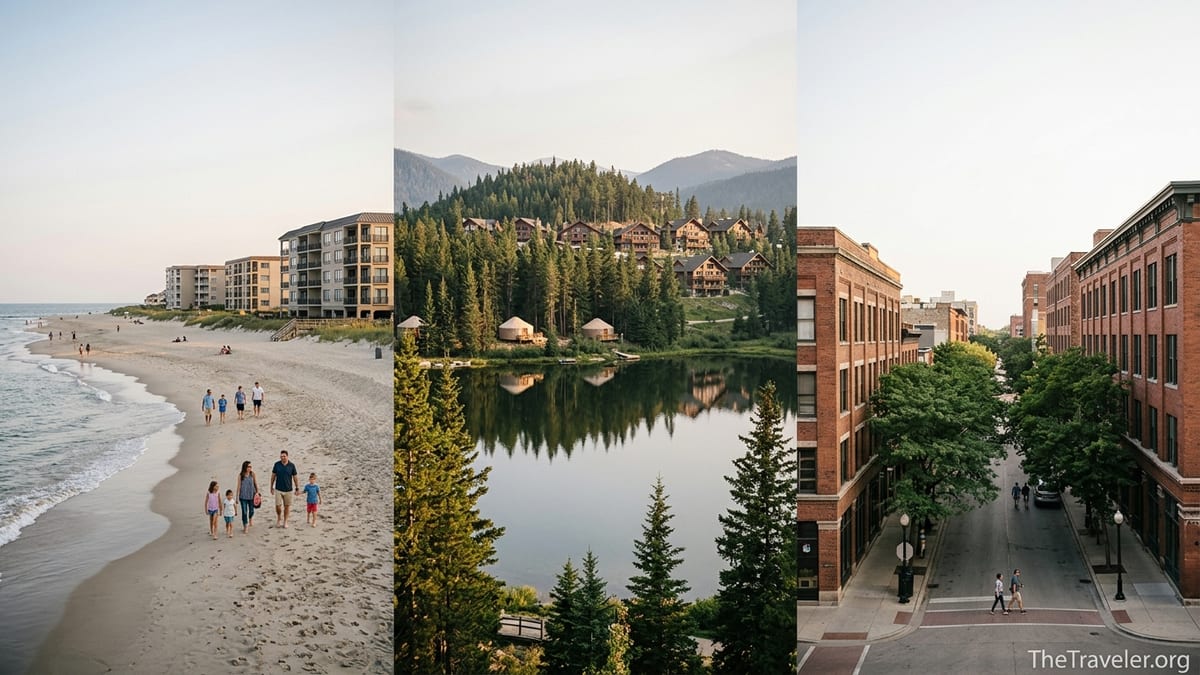
How Bluegreen Vacations Works in Real Life
Bluegreen Vacations is built around a points-based vacation club. Owners buy an annual allotment of points tied to a home resort and then redeem those points at other Bluegreen properties. In practice, this means a family who owns at a Myrtle Beach resort might bank points for two years and then splurge on a large three-bedroom villa in the Smoky Mountains or an urban suite in Chicago. Non-owners most often encounter Bluegreen through package deals, presentation offers, or by booking select Bluegreen-managed hotels through traditional online travel agencies.
Compared with standard hotels, Bluegreen resorts typically emphasize residential-style setups. Even at smaller one-bedroom units, you are likely to find a living area with a sofa bed, a full or partial kitchen, and a washer-dryer either in the unit or on the same floor. At larger properties, like Shenandoah Crossing in Virginia or Shore Crest Vacation Villas in North Myrtle Beach, the typical configuration is a multi-bedroom condo-style villa with a balcony, separate bedrooms for kids and adults, and access to on-site recreation ranging from pools and lazy rivers to mini golf and organized activities.
Because Bluegreen operates in the timeshare space, pricing is not as transparent as traditional hotels. Owners pay an upfront purchase cost plus annual maintenance fees, while guests booking cash stays might see nightly rates similar to midrange or upper-midrange hotels in the area depending on the season. For example, in summer at a popular spot like Myrtle Beach, a two-bedroom villa can sometimes price in the same range as two standard hotel rooms, but with significantly more living space and the ability to cook simple meals, which appeals to families trying to manage overall vacation costs.
Another practical consideration is availability. Peak weeks at in-demand beach and ski areas can book out many months in advance through the internal points system. Owners who plan early usually fare best. Guests booking cash stays through partner channels will often find better selection outside of school holidays or by targeting shoulder seasons such as late April or early September, when coastal crowds thin but weather is still favorable.
Best Bluegreen Areas for Beach Vacations
Bluegreen has a particularly strong footprint along the Southeast coast, and Myrtle Beach is one of the easiest places to understand what a Bluegreen beach stay looks like day to day. North Myrtle Beach’s Shore Crest Vacation Villas, for example, offers one- and two-bedroom villas with balconies that look toward the Atlantic, plus indoor and outdoor pools. Families with younger children often appreciate being able to walk from their villa directly to the sand, return for lunch in a full kitchen, and then head back out without ever getting in the car.
Further south, in the heart of Myrtle Beach, Harbour Lights sits along the Intracoastal Waterway instead of directly on the ocean but delivers a classic family-resort feel. The property includes multiple pools, a lazy river, and villas with full kitchens and separate bedrooms. Guests sometimes pair a stay here with day trips to the Myrtle Beach Boardwalk or mini golf courses within a short drive. For many owners, Myrtle Beach functions as a dependable “home base” where they can use their points for long weekends and then save up for more distant destinations.
Beyond Myrtle Beach, Bluegreen also participates in coastal resorts in Florida and the Gulf region through its network, including properties in Panama City Beach and the Florida Panhandle area noted in recent points guides. These resorts typically mirror the same format: multi-bedroom condos, family-friendly pools, and easy driving access to local attractions like public beaches, seafood restaurants, and outlet shopping. In practice, a family of four might spend mornings at the resort pool, afternoons on the beach, and evenings grilling at on-site barbecue areas or cooking in their villa to keep nightly dining costs reasonable.
When comparing a Bluegreen beach stay to a traditional hotel, the strongest advantage is space. Instead of cramming everyone into a single room, parents can put kids to bed in a separate bedroom and still have the living room and balcony to themselves. The trade-off is that beach resorts associated with timeshares can feel busier on weekends, with owner activities and sales staff visible on property. Travelers who prefer a quieter experience often seek out shoulder-season dates or choose resorts where the sales presence is less noticeable.
Mountain & Nature Resorts: Cabins, Villas and Glamping-style Stays
For mountain and countryside escapes, Bluegreen clusters its resorts in classic four-season playgrounds such as the Shenandoah Valley, the Smoky Mountains, the Poconos, and New England. Shenandoah Crossing in Gordonsville, Virginia, is one of the more distinctive examples. Set on a wooded property around a large lake, it mixes traditional villas with more unusual accommodations such as yurts and cabins. Guests can go horseback riding, rent boats on the lake, or simply sit on a deck overlooking the water while kids join organized activities at the resort’s clubhouse. For many owners, a week here feels closer to a lakeside camp than a conventional hotel.
In the Smoky Mountains and Appalachian region, Bluegreen’s portfolio includes resorts in or near popular mountain towns, giving access to hiking, scenic drives, and winter sports. A typical two-bedroom villa in these locations might come with a fireplace, a balcony facing wooded hillsides, and access to indoor pools or hot tubs. This makes them attractive for shoulder-season leaf-peeping trips where daytime temperatures are cool enough for hiking and evenings are best spent around a fire with groceries stocked from a local supermarket instead of nightly restaurant meals.
In New England, properties such as South Mountain Resort in Lincoln, New Hampshire, plug travelers directly into year-round adventure. From a Bluegreen-style base here, winter visitors can access nearby ski areas, while summer travelers head for the Kancamagus Highway, trailheads, and river swimming spots. Accommodations lean toward condo-style units with full kitchens, which works especially well for extended families or small groups traveling together on long weekends.
Compared with standalone cabin rentals, Bluegreen’s mountain resorts add resort-style amenities: heated pools, game rooms, organized family activities, and on-site maintenance and housekeeping. The trade-off is that they feel more like well-run mountain communities than isolated wilderness hideaways. Travelers looking for a “cabin in the woods” fantasy may find the presence of neighboring villas and shared facilities more social than secluded, while families with kids often appreciate having other children around and a staffed front desk to turn to for local advice.
City Stays: Urban Bases in Chicago, Nashville and Beyond
City-focused travelers encounter Bluegreen mostly through its urban hotel-style properties. Hotel Blake in Chicago is one of the most visible examples: a historic building located in the downtown Printer’s Row district, within walking distance of the Loop, Grant Park, and the Willis Tower area. The hotel operates both as a Bluegreen destination for owners and as a boutique-style property available to the general public. Rooms are typically larger than bare-bones city hotel standards and often include work desks and seating areas, which is helpful for guests mixing business and leisure.
A typical day for an owner using points at Hotel Blake might include grabbing coffee from a nearby café, walking to the Art Institute of Chicago or the lakefront path, and returning midafternoon for a break in a room that feels closer to a small apartment than a basic guestroom. In the evening, guests can reach a wide range of restaurants on foot or by a short rideshare. Because there is no need for a rental car, urban Bluegreen stays often appeal to couples and solo travelers who want a walkable base while still benefiting from the familiarity of a known vacation club brand.
Beyond Chicago, Bluegreen-branded or affiliated city properties appear in destinations such as downtown Nashville, where a resort listed in recent club documents offers apartment-style accommodations within walking distance of live music venues and dining. These city stays lean more toward standard hotel layouts than the multi-bedroom villas seen in beach or mountain locations, but they still prioritize a sense of space and residential comfort with features like mini-fridges, larger bathrooms, and in some cases small kitchenettes.
Compared with traditional hotels, Bluegreen’s city properties often offer softer benefits that matter over a multi-night stay rather than a single quick trip. Consistent bedding and room design across the portfolio, loyalty-style perks for repeat owners, and staff accustomed to hosting weeklong leisure trips can all contribute to a slower-paced, less transactional city experience. On the other hand, travelers who prioritize cutting-edge design hotels or full-service luxury amenities such as large spas or fine-dining restaurants may find Bluegreen’s urban offerings more functional than indulgent.
Room Types, Layouts and What Families Can Expect
Across the portfolio, Bluegreen resorts are built for travelers who want extra space. A common entry-level layout is a one-bedroom villa, which usually includes a private bedroom with a queen or king bed, a living area with a sofa bed, a dining table, and a full kitchen equipped with a refrigerator, stovetop, microwave, and basic cookware. For example, at beach resorts in Myrtle Beach or mountain properties in Virginia, a family of four can sleep with parents in the bedroom and two children on the pullout sofa, while still having a separate space to watch television or enjoy a late-night snack after kids go to sleep.
Larger units, including two- and three-bedroom villas, are designed for extended families and small groups. These villas often feature two or more bathrooms, private balconies, and in-unit laundry machines. A multi-generational group might book a three-bedroom unit at a mountain resort such as Shenandoah Crossing so that grandparents have their own room, parents share another, and kids or cousins sleep in the third bedroom or on the living-room sofa bed. Being able to stock a full kitchen with groceries and cook some meals in-house can significantly reduce the cost of a weeklong stay, especially in destinations where restaurant prices climb during peak seasons.
In more unique resorts, such as those with yurts, cabins, or glamping accommodations, the layouts can vary, but Bluegreen still tends to emphasize creature comforts. A yurt at Shenandoah Crossing, for instance, is more “cozy lodge” than backcountry tent, with real beds, climate control, and furniture. That balance between novelty and comfort makes these units appealing to families with kids old enough to enjoy the sense of adventure but whose parents still want a comfortable bed and a private bathroom.
Families should be aware that timeshare-oriented resorts can have subtly different service expectations compared with full-service hotels. Daily housekeeping is often limited or optional, and front desks may focus more on check-ins and member services than concierge-style restaurant bookings. For many guests, the apartment-style privacy and self-sufficiency are welcome, but first-time visitors should go in expecting more of a vacation-rental rhythm than a traditional hotel stay, particularly around cleaning schedules and food and beverage options.
On-site Amenities and Everyday Experiences
One of the reasons families gravitate toward Bluegreen properties is the abundance of on-site amenities that make it easy to spend full days without leaving the resort. At coastal destinations, this might mean multiple pools, a lazy river, hot tubs, and direct or convenient access to the beach. Myrtle Beach’s Harbour Lights, for example, uses its Intracoastal Waterway location to offer a quieter, more residential setting while guests drive or shuttle to the oceanfront; in return they get resort pools and activity areas that feel like a compact water park for younger children.
In mountain and countryside resorts, amenities skew toward outdoor recreation. At Shenandoah Crossing, guests can book horseback-riding sessions, rent boats for the lake, or simply explore walking trails across the property. Seasonal programming might include s’mores nights, craft workshops for kids, or guided nature walks. While exact offerings vary by season and resort, this kind of programming aims to provide the structure of a camp or family retreat layered onto the independence of condo-style lodging.
City resorts, by contrast, focus less on in-house entertainment and more on providing a comfortable base for urban exploration. At Hotel Blake in Chicago, the key amenities are its central location, on-site fitness facilities, and rooms equipped to function both as a place to sleep and as a workspace. Guests can walk to nearby restaurants, museums, and parks instead of relying on resort activities. For many Bluegreen owners, these urban properties function as long-weekend gateways where they can use points for a Friday-to-Monday stay rather than a full week.
Across all resort types, travelers should expect some exposure to the vacation-ownership side of the business. At many properties, guests will encounter sales desks or be invited to presentations, often with incentives such as gift cards or attraction tickets. While some visitors appreciate the perks, others prefer to decline politely and keep the focus on relaxation. Understanding this dynamic in advance helps set expectations so the sales environment does not come as a surprise.
The Takeaway
Bluegreen Vacations occupies a niche between standard hotels and standalone vacation rentals, offering condo-style space and resort amenities in some of the United States’ most popular leisure destinations. For beach lovers, resorts in places like Myrtle Beach and the Gulf Coast deliver family-friendly pools, kitchens for economical meals, and easy access to sand and surf. Mountain travelers can base themselves at properties such as Shenandoah Crossing in Virginia or South Mountain Resort in New Hampshire, trading city noise for lakes, trails, and fire pits. Urban explorers, meanwhile, can tap into Bluegreen’s city hotels, like Hotel Blake in Chicago, to enjoy walkable neighborhoods and larger-than-average rooms.
Choosing whether Bluegreen is right for you depends less on the brand name and more on how you like to travel. Families who value space, on-site pools and activities, and the ability to self-cater often find the resort layouts well suited to weeklong vacations. Couples or solo travelers looking for quiet boutique hotels or high-touch luxury service may prefer to be more selective, targeting Bluegreen’s better-located city stays and newer resorts. Understanding the practical realities of room types, amenities, and the timeshare environment before you book will help you match the right Bluegreen destination with the kind of vacation you actually want.
FAQ
Q1. Do I have to be a Bluegreen Vacations owner to stay at their resorts?
Many Bluegreen resorts, including properties like Hotel Blake in Chicago and Shenandoah Crossing in Virginia, offer cash stays to non-owners through traditional hotel booking channels, though owners usually get first access to peak dates.
Q2. How far in advance should I book a Bluegreen beach resort in peak season?
For summer stays at popular beaches such as Myrtle Beach or Panama City Beach, owners often book many months in advance through the club system, and non-owners will usually find the best availability and prices if they secure reservations by late winter.
Q3. What is the main difference between a Bluegreen resort and a regular hotel?
Bluegreen resorts are mostly condo-style, with separate bedrooms, living areas and kitchens, and often focus on weekly or multi-night stays, while regular hotels lean toward single-room layouts and nightly turnover with full daily housekeeping.
Q4. Are Bluegreen resorts good for families with young children?
Yes, many Bluegreen properties are designed for families, with multiple pools, organized activities, and villa-style layouts where kids can have their own sleeping area and parents can still have space to relax after bedtime.
Q5. What should I expect from a Bluegreen sales presentation?
Presentations are typically sales-focused overviews of the vacation-ownership program, often lasting around 90 minutes or more, with incentives such as gift cards or discounted stays offered in exchange for attending, and guests are free to decline future offers if they are not interested.
Q6. Do Bluegreen city properties have the same large villas as the beach and mountain resorts?
Urban properties like Hotel Blake in Chicago and downtown Nashville resorts tend to have more traditional hotel-room layouts, though they usually offer more space and comfort features than basic city hotel rooms, such as larger bathrooms and seating areas.
Q7. Is daily housekeeping included at Bluegreen resorts?
At many timeshare-oriented resorts, daily housekeeping is limited or offered for an extra fee, so guests should expect a setup closer to a vacation rental, with full cleaning at check-in and check-out rather than traditional hotel-style daily service.
Q8. Can I cook my own meals at Bluegreen resorts?
Most villa-style units at Bluegreen resorts, especially at beach and mountain properties, include full kitchens with refrigerators, stovetops or ovens, microwaves, and basic cookware, which allows guests to prepare meals and reduce restaurant spending.
Q9. Are Bluegreen resorts suitable for remote work or longer stays?
Many guests use larger villas or city properties as temporary work bases thanks to separate living areas, work desks, and reliable internet, making weeklong or extended stays more comfortable than a single-room hotel.
Q10. How do Bluegreen mountain resorts compare to renting a standalone cabin?
Bluegreen mountain resorts generally offer condo or cabin-style lodging with added benefits such as pools, activity centers, and on-site staff, trading the seclusion of a private cabin for a more social, amenity-rich environment that many families prefer.