


More news on this day
Canada has added an explicit LGBTQ+ risk warning to its official travel advisory for Türkiye, citing heightened discrimination, harassment and violence in a shifting legal and social climate that could affect queer travelers and their families.
Get the latest news straight to your inbox!
New Language Targets Rising Risks for Queer Travelers
Updated guidance on the Government of Canada’s Türkiye advisory now specifies that 2SLGBTQI+ travelers may face discrimination, harassment and violence based on sexual orientation, gender identity, gender expression or sex characteristics. The language appears in a dedicated section that addresses how local laws and social norms can diverge sharply from Canadian protections, even where same sex relations are not criminalized.
The advisory notes that while Türkiye does not outlaw consensual same sex relationships, public attitudes and official rhetoric have hardened. Publicly available information highlights that senior Turkish political figures have increasingly framed LGBTQ+ communities as a threat to so called family values, a shift that has fueled stigma and made some public spaces feel less safe for queer people.
Canada’s broader 2SLGBTQI+ travel guidance urges travelers to review destination specific advisories carefully, assess their personal risk tolerance and consider how they present in public, including displays of affection, clothing and social media activity. The addition of clearer wording for Türkiye positions the country in a higher concern category for Canadian policymakers focused on equality and non discrimination abroad.
Travel.gc.ca materials also underline that legal recognition of gender and same sex relationships can determine access to basic rights such as hospital visitation, child custody and next of kin status, all areas where Canadian travelers may encounter unfamiliar or unsympathetic procedures in Türkiye.
Context: Crackdowns and Pride Bans in Türkiye
The updated Canadian advisory comes against the backdrop of a sustained clampdown on LGBTQ+ visibility and activism inside Türkiye. Human rights organizations report that authorities have repeatedly banned Pride marches in Istanbul and other cities, often backing the prohibitions with heavy police deployments, mass detentions and the use of tear gas and rubber bullets against demonstrators.
Recent reporting on the 2024 and 2025 Pride seasons describes a pattern in which local governors issue sweeping bans on LGBTQ+ events, citing public morality or security concerns, while rights groups characterize the measures as unlawful restrictions on peaceful assembly. Documented cases include hundreds of detentions at marches and related gatherings, as well as prosecutions of activists who attempted to continue organizing.
In parallel, a steady stream of policy proposals and political speeches has reinforced an official narrative that equates LGBTQ+ advocacy with corrosive foreign influence. Human rights monitors explain that this narrative has translated into tighter scrutiny of queer associations, university groups and cultural events, contributing to an atmosphere of uncertainty for both residents and visitors.
Reports released in 2026 describe a further escalation, with Turkish authorities launching criminal investigations and raids targeting organizations that support LGBTQ+ people and individuals living with HIV. Advocacy groups argue that this pressure threatens not only freedom of association but also access to essential health and counseling services for marginalized communities.
What the Advisory Means for Canadian Visitors
For Canadian travelers planning trips to Türkiye, the revised wording does not change the overall security level of the destination, which continues to highlight broader risks related to terrorism and regional instability. However, it signals that identity based risks are now a more prominent part of the assessment, particularly for those who are openly queer or traveling with same sex partners or gender diverse family members.
The advisory encourages travelers to consider how they share personal information, both online and in person, in light of local sensitivities. Guidance on the federal travel site emphasizes that openly displaying affection with a same sex partner, participating in protests, or attending LGBTQ+ themed venues or events could draw unwanted attention or expose travelers to confrontations with bystanders or law enforcement.
Canadians are advised to register their trip with consular services, monitor local news and avoid areas where demonstrations are taking place, including events connected to Pride or broader debates about gender and sexuality. Publicly available safety materials also recommend researching neighborhoods and accommodation options in advance and choosing lodgings that explicitly welcome LGBTQ+ guests when possible.
While many visitors continue to report positive experiences in major Turkish cities and popular coastal destinations, the updated advisory serves as a reminder that day to day realities can differ considerably by region, and that behavior considered routine in Canada may be interpreted very differently in more conservative settings.
Comparisons With Other Western Advisories
Canada is not alone in highlighting risks for LGBTQ+ travelers heading to Türkiye. Other Western governments have also updated their guidance to flag discrimination and to warn that Pride events and public gatherings related to sexual orientation and gender identity frequently face restrictions or bans.
Some advisories point out that there are no explicit legal prohibitions on same sex relationships, but that local authorities have broad powers to restrict public assemblies and to enforce regulations framed around public order or morality. These powers have been used to block marches, concerts and cultural events viewed as sympathetic to LGBTQ+ rights.
Comparative assessments by international civil liberties organizations rank Türkiye low on measures of LGBTQ+ equality within the wider European and Eurasian region. Recent scorecards place the country near the bottom of regional indexes, with particular concerns about hate speech from public figures, limited legal protections against discrimination and the absence of recognition for same sex partnerships.
Travel industry observers note that these trends have complicated marketing efforts that once promoted Istanbul and coastal hubs as relatively open and cosmopolitan. While nightlife and queer friendly spaces still exist, especially in larger cities, operators increasingly caution clients to keep a low profile in public and to stay informed about local political debates that may influence the climate for visitors.
Planning a Trip: Practical Steps for LGBTQ+ Travelers
For Canadians who decide to visit Türkiye despite the heightened advisory, government materials suggest a combination of careful planning and situational awareness. Before departure, travelers are encouraged to review the Türkiye page on the official Canadian travel site alongside the general 2SLGBTQI+ travel guidance, paying close attention to sections on documentation, local laws and safety tips.
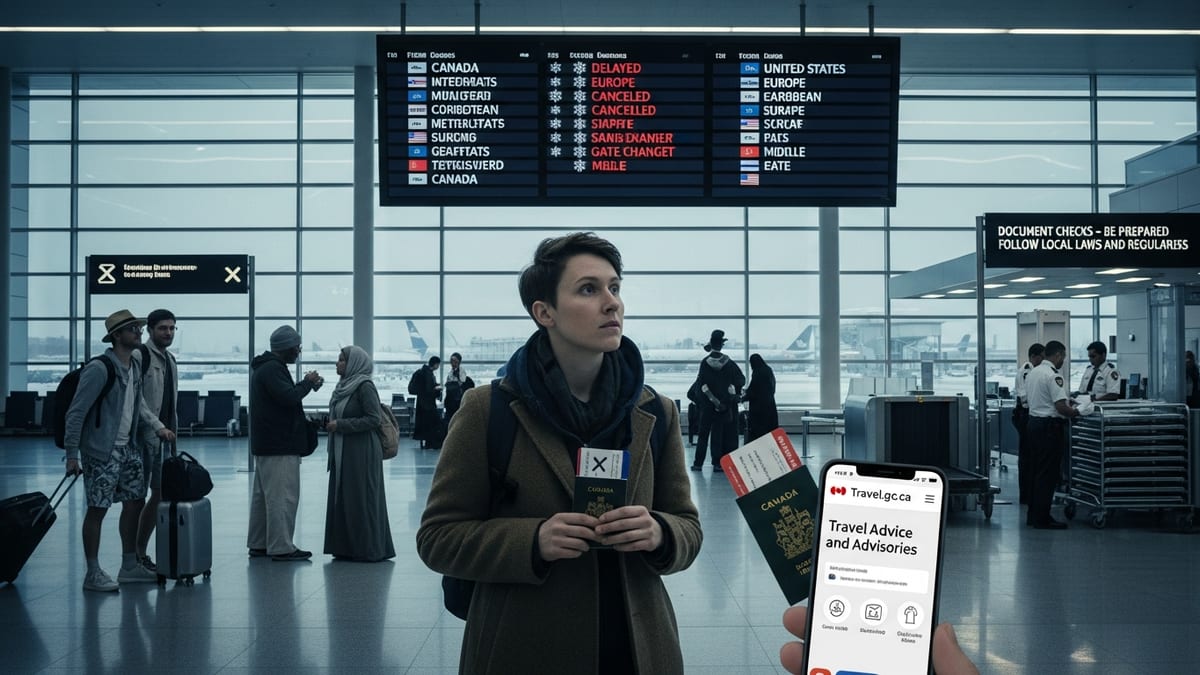
Travelers who use gender markers or names that differ from those on earlier documents are advised to ensure that identification is consistent across passports, tickets and hotel bookings, in order to minimize complications during border checks and hotel registration. The federal guidance also underscores that, while Canada issues passports with an “X” gender designation, acceptance of this marker is not guaranteed abroad and can vary by carrier and airport.
On the ground, recommended practices include arranging airport transfers through reputable providers, sharing itineraries with trusted contacts at home, and exercising caution when using dating apps or social media to meet new people. Public information from safety agencies stresses the importance of meeting in public places, avoiding the exchange of sensitive personal data and being prepared to leave situations that feel uncomfortable.
Consular resources remain available for Canadians who encounter difficulties, including support in cases of detention, harassment or loss of documents. At the same time, official materials emphasize that consular staff cannot override local laws or intervene in ongoing judicial processes, another factor that queer travelers are urged to consider when weighing the updated LGBTQ+ risk warning for Türkiye.