


More news on this day
A 14-year-old Delta Air Lines passenger was left stranded overnight at Boston Logan International Airport after the carrier invoked a rarely discussed weather-related restriction on unaccompanied minors, drawing fresh attention to how airlines handle young travelers when storms disrupt already crowded summer schedules.
Get the latest news straight to your inbox!
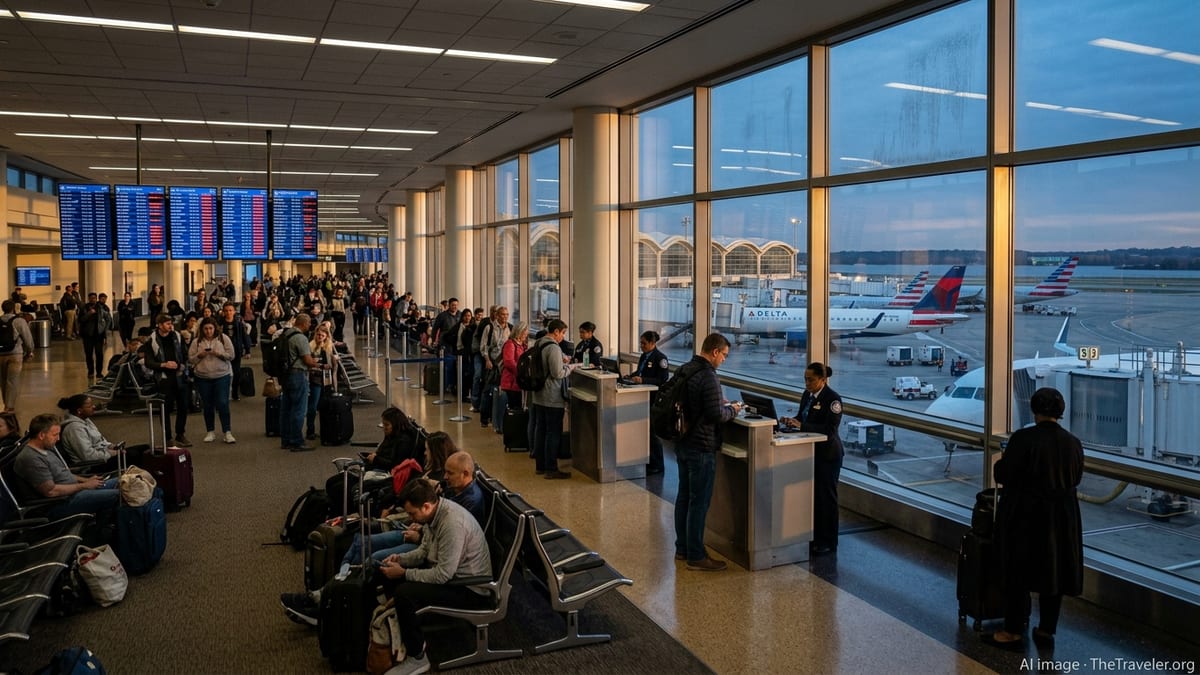
A Little-Known Rule Leaves a Teen Grounded
According to published coverage and online accounts, the teenager was traveling alone on a Delta itinerary that involved passing through Boston when severe weather in the Northeast disrupted operations. While other passengers were rebooked or allowed to continue after delays, the minor was reportedly barred from boarding a later flight because Delta determined there was an elevated risk of diversion or extended delay.
Publicly available information on Delta’s unaccompanied minor program states that the airline may refuse or postpone travel for a child flying alone if weather or operational issues create a meaningful chance the young traveler could become stranded or diverted away from their intended destination. Internal guidance referenced in customer-facing materials indicates this authority is discretionary, allowing staff to halt a trip if they believe the situation could leave a child without appropriate supervision at an intermediate airport.
In this case, reports indicate the policy was applied at Boston, where a web of thunderstorms, air traffic restrictions, and rolling delays created a challenging operating environment. The resulting decision left the teenager stuck at Logan while the airline assessed options, even as some adult passengers on similar routes were able to depart after extended waits.
The episode quickly spread across social media and travel forums, where users questioned how the rule was applied and whether sufficient arrangements and communication were provided to the family once the minor’s trip was interrupted.
How Delta’s Weather Ban for Unaccompanied Minors Works
Delta’s public-facing description of its unaccompanied minor service notes that the airline can decline to accept a booking or refuse to transport a child if it anticipates irregular operations caused by severe weather, airport closures, or other disruptions. The rationale, as outlined in these materials, is to avoid situations in which a child could be routed to an unscheduled airport or remain onboard an aircraft for lengthy ground holds without a parent or guardian present.
Similar policies are in place at several large U.S. carriers, although the exact wording and thresholds vary. Industry guidance generally emphasizes that children traveling alone should not be placed on itineraries where there is a significant chance of a diversion or overnight stranding away from their final destination. Airlines reserve wide discretion to interpret forecast and real-time conditions, which can change rapidly, especially during summer storm patterns along the East Coast.
The rule affecting the 14-year-old in Boston appears to be an extension of this broader approach. Even if a flight is not formally canceled, airline staff can decide it is not appropriate for a minor to board when there is a reasonable possibility the aircraft might divert or be forced to wait on the ground for extended periods. That authority can be invoked late in the process, including at the gate, if the operational picture worsens.
Consumer advocates note that these policies are not always well understood by families. While the basic outlines of unaccompanied minor rules are published on airline websites, the specific circumstances under which travel may be refused because of weather are often stated in general terms, leaving substantial room for interpretation at individual airports during fast-moving disruptions.
Boston’s Weather Disruptions Add To Peak Summer Strain
The incident unfolded during a period of unsettled weather over the Northeast, when strong thunderstorms and shifting wind patterns triggered air traffic control programs and delays from Boston to New York and beyond. Available operational advisories show that Delta and other carriers had active weather alerts for the region, encouraging passengers to rebook in advance of the worst conditions and warning of possible schedule changes.
Boston Logan has faced repeated operational challenges in recent weeks as intense heat and waves of storms have swept across New England and the Mid-Atlantic. Industry data and anecdotal reports from travelers point to lengthy ground holds, aircraft waiting for available gates, and crews timing out after extended weather-related delays, all of which complicate efforts to keep connections intact.
In that context, a single disrupted connection can cascade quickly for a traveler, particularly one relying on a tight connection or a last flight of the night. For unaccompanied minors, those risks weigh heavily in airline decision-making, as a diversion to another city late in the day can create an overnight stranding with limited hotel availability and stretched airport staffing.
Travelers in Boston and along the Northeast corridor have increasingly taken to social media to describe missed connections, overnight airport stays, and last-minute rebookings linked to volatile summer weather. The case of the 14-year-old has become a focal point within that broader pattern, highlighting the added complexity when a young traveler is involved.
Customer Service, Communication and Duty of Care Questions
While the underlying weather risk policy is not unique to this situation, much of the public reaction has centered on how the decision was communicated and what support the family received once it was clear the teenager would not be allowed to continue the trip as planned. Online accounts suggest there was confusion over whether the flight itself was considered safe for adults but unacceptable for a minor, and how that distinction was explained at the gate.
Consumer advocates argue that when airlines invoke special protections for children, they also assume a heightened duty to provide clear information, prompt rebooking assistance, and appropriate supervision. That may include dedicated staff escorts, meal vouchers, and lodging when necessary, along with regular updates to parents or guardians who may not be on site.
In practice, such support can be uneven during major disruptions, when gate agents and call centers are facing high passenger volumes and back-to-back schedule changes. Travelers have reported long waits for assistance, inconsistent information between channels, and challenges getting through to customer service when trying to confirm the status of stranded minors.
The Boston case has revived debate over whether airline customer service protocols are robust enough for young travelers at a time when carriers are operating near capacity, weather is increasingly volatile, and families are relying more on unaccompanied minor services for complex itineraries.
Calls for Clearer Rules and Better Transparency
The controversy around the stranded 14-year-old comes amid ongoing scrutiny of airline consumer protections in the United States. Regulators and lawmakers have in recent years pushed for clearer disclosure of fees, more consistent policies for delays and cancellations, and better communication during major disruptions.
Advocacy groups now say unaccompanied minor policies, particularly those tied to weather and operational risk, deserve similar attention. They argue that parents should receive explicit, easy-to-understand explanations of the circumstances under which a child’s trip may be denied or interrupted, along with detailed information on what care and compensation will be provided if that happens.
Some travel industry commentators have suggested that airlines could reduce confusion by proactively flagging high-risk itineraries for minors during booking, especially connections through airports that are prone to weather-related delays at certain times of year. That could give families the option to adjust travel plans or add overnight buffers before tickets are purchased.
As peak summer travel continues and weather patterns remain unsettled, the Boston episode is likely to remain a reference point in discussions about airline policies for children flying alone. For many families, it has underscored the importance of understanding the fine print on unaccompanied minor programs before sending a young traveler through some of the country’s most delay-prone hubs.