


More news on this day
Rome’s Leonardo da Vinci Fiumicino Airport is entering the early summer peak with a sharp uptick in delays and targeted flight cancellations, unsettling travel plans for visitors and residents across Italy’s capital region.
Get the latest news straight to your inbox!
Wave of Recent Disruptions at Italy’s Busiest Airport
Publicly available flight-tracking data for late May and early June 2026 indicates repeated disruption patterns at Fiumicino, with several days marked by unusually high numbers of delays and a smaller but significant cluster of outright cancellations. On some recent peak days, counts have reached into the hundreds for delayed movements, with a handful of flights scrapped altogether, affecting both European and long haul routes.
Coverage from travel and aviation news outlets points to repeated operational strain on key carriers using Fiumicino as a hub, including ITA Airways along with major European low cost and network airlines. Reports describe bottlenecks in gate management, tight aircraft rotations and congestion across airside operations that can turn a minor schedule slip into missed slots and cancelled rotations, particularly in late afternoon and evening banks.
Travel industry commentary highlights that this pattern is emerging just as Italy’s inbound tourism season accelerates, increasing the impact of every cancellation. Rome functions as both a gateway and a transfer point, so a single cancelled departure from Fiumicino can cascade into missed connections for travelers bound to other Italian cities, Mediterranean islands or long haul destinations.
Passengers on affected services have reported extended time on the ground as crews and ground handlers work through knock on effects of earlier delays. Even when flights eventually depart, missed connections and reduced rebooking options late in the day can leave travelers stranded overnight in Rome or at intermediate hubs.
Strikes and Staffing Pressures Behind the Cancellations
Several recent and upcoming transport strikes are adding further volatility to Fiumicino’s schedule. Italian and international strike trackers list a series of actions in May and June targeting air traffic control centers, airline staff and wider transport services, with Rome repeatedly appearing among the key locations affected. While some actions have produced limited impact at the airport, others have triggered preemptive cancellations by airlines seeking to avoid day of chaos.
Specialist aviation outlets have documented how coordinated air traffic control and airline strikes in May led to more than one hundred cancellations nationwide, with ITA Airways temporarily cutting a substantial share of its daily program and local disruptions felt at both Fiumicino and Rome’s secondary Ciampino airport. Separate reports note that Rome based strikes can be amplified when they coincide with staff shortages, seasonal timetable changes or poor weather in other parts of Europe.
Looking ahead, public strike calendars and advisory sites flag additional industrial actions that could touch Fiumicino in late June and early July, including a planned airport security staff strike covering both Rome airports on a July weekend. Although the ultimate impact on flight cancellations will depend on last minute negotiations and minimum service requirements, the clustering of actions during peak holiday weeks is already prompting some airlines to thin schedules or adjust timings.
Beyond formal strikes, staffing pressure remains a recurring theme in coverage of Fiumicino’s operations. Ground handling capacity, security screening and aircraft turnaround times are all cited as sensitive points that can lengthen delays and increase the likelihood of late day cancellations when traffic volumes are high and buffers are thin.
Impact on Travelers: Missed Holidays and Tight Connections
For travelers, the practical effect of these cancellations at Fiumicino is felt most acutely on tight itineraries and weekend departures. Consumer rights platforms and travel forums describe cases of passengers missing cruise departures from Civitavecchia or rail connections from Rome due to last minute flight disruptions, with some being forced to rebook at short notice on higher priced alternatives.
Leisure travelers connecting through Rome on multi leg European itineraries are particularly exposed when short haul feeder flights are cancelled or heavily delayed. Analysts note that when late evening intra European services are scrapped, same day recovery options are often limited, leading to unexpected overnight stays and knock on changes to hotel and tour bookings at the final destination.
Business travelers relying on same day returns or early morning meetings are also feeling the impact. Reports indicate that some companies are shifting time sensitive meetings away from Mondays and Fridays or encouraging arrivals a day earlier when itineraries pass through Fiumicino during known strike windows or high risk periods.
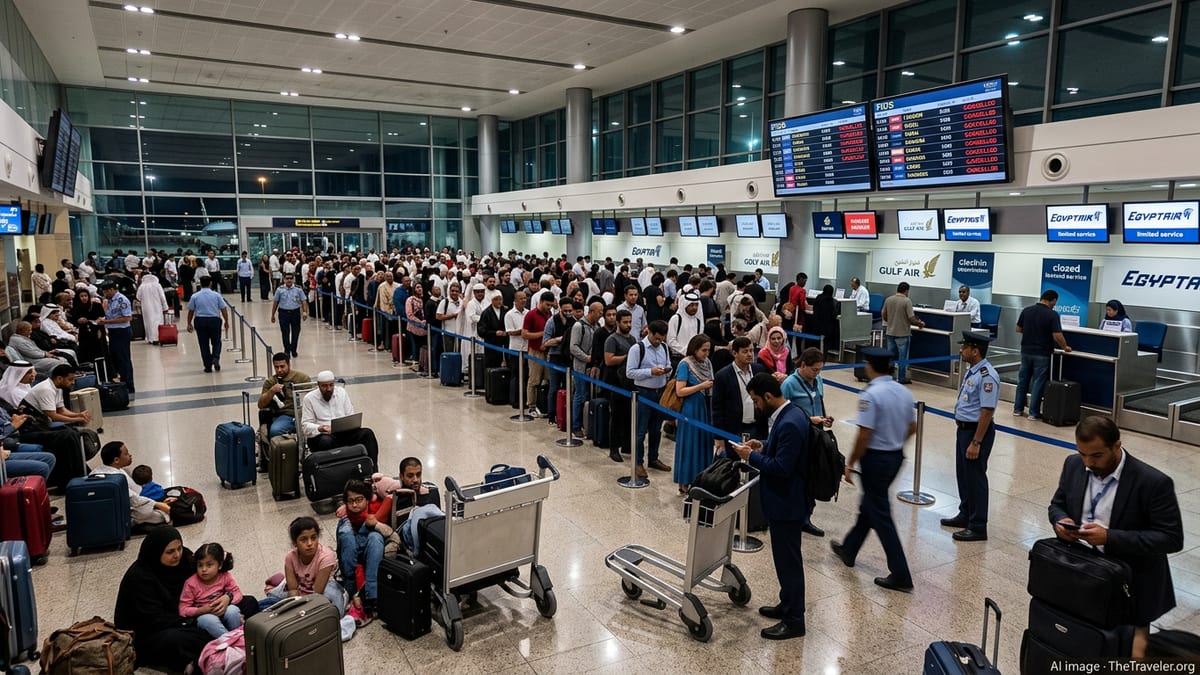
At the airport itself, disruption days can strain landside facilities. Passenger advocacy groups describe longer lines at service desks, crowded rebooking queues and competition for hotel rooms when multiple flights are cancelled in a short window. Even for those whose flights operate, security and check in lines may lengthen when schedules bunch or staff are reassigned to handle disrupted services.
What Passengers Can Expect Under EU Compensation Rules
Publicly available guidance from air passenger rights organizations notes that travelers departing from Fiumicino on European Union carriers remain protected by EU air travel regulations, which in many cases provide for care, rerouting and financial compensation in the event of significant delays and cancellations. However, applicability depends on the cause of the disruption and the timing of airline notices.
If a flight is cancelled with relatively short notice and the reason is attributed to operational or staffing issues under the airline’s control, passengers may be entitled to standard compensation amounts alongside a replacement itinerary or refund. By contrast, if cancellations are linked to external factors categorized as extraordinary, such as air traffic control strikes beyond the carrier’s direct control or severe weather, compensation eligibility may be reduced even though airlines still owe basic assistance.
Rights advocates emphasize that travelers should keep records of any notifications received from airlines, including emails or app alerts about schedule changes, and retain boarding passes or booking confirmations. These documents can assist in later claims for compensation or reimbursement of out of pocket expenses such as meals and accommodation during extended disruptions.
Given the current pattern of cancellations at Fiumicino, consumer groups also advise building additional buffer time into itineraries, especially when a same day connection links a medium haul arrival with a cruise embarkation, long distance train or onward intercontinental flight. Booking flexible or refundable hotel rates on nights surrounding travel days is another strategy recommended by many advisory services.
Planning Ahead for Summer Departures from Fiumicino
With early summer already showing elevated disruption levels, travel planners are urging passengers to take a more proactive approach to flights involving Fiumicino over the coming months. Industry analyses suggest that morning departures are often more resilient than evening flights, as they benefit from overnight recovery in aircraft positioning and staffing, reducing the risk of knock on cancellations.
Travel management companies advise checking flight status repeatedly in the 24 hours before departure and again before leaving for the airport, especially on days flagged by strike calendars or after previous evenings with heavy delays. Subscribing to airline and airport alerts can deliver real time updates on gate changes, cancellations or rebooking options.
For those starting their journey in Rome, contingency planning for ground transport to Fiumicino is increasingly important on strike days. Guidance from travel advisors suggests identifying at least one back up route, whether via taxis, private transfers or alternative rail and bus combinations, in case preferred trains or shuttles are cancelled or reduced.
While aviation analysts stress that most flights at Fiumicino still operate broadly as scheduled, the current mix of high seasonal demand, intermittent strikes and tight staffing is likely to keep cancellation risks elevated through the peak season. Passengers who monitor developments closely and build flexibility into their plans may be better positioned to navigate Rome’s main airport in the months ahead.