


More news on this day
Hundreds of air travelers across Canada are facing last minute chaos after a wave of flight cancellations and delays at Edmonton, Montreal Trudeau, Ottawa Macdonald Cartier, and Toronto Pearson international airports disrupted schedules and severed carefully planned connections.
Get the latest news straight to your inbox!
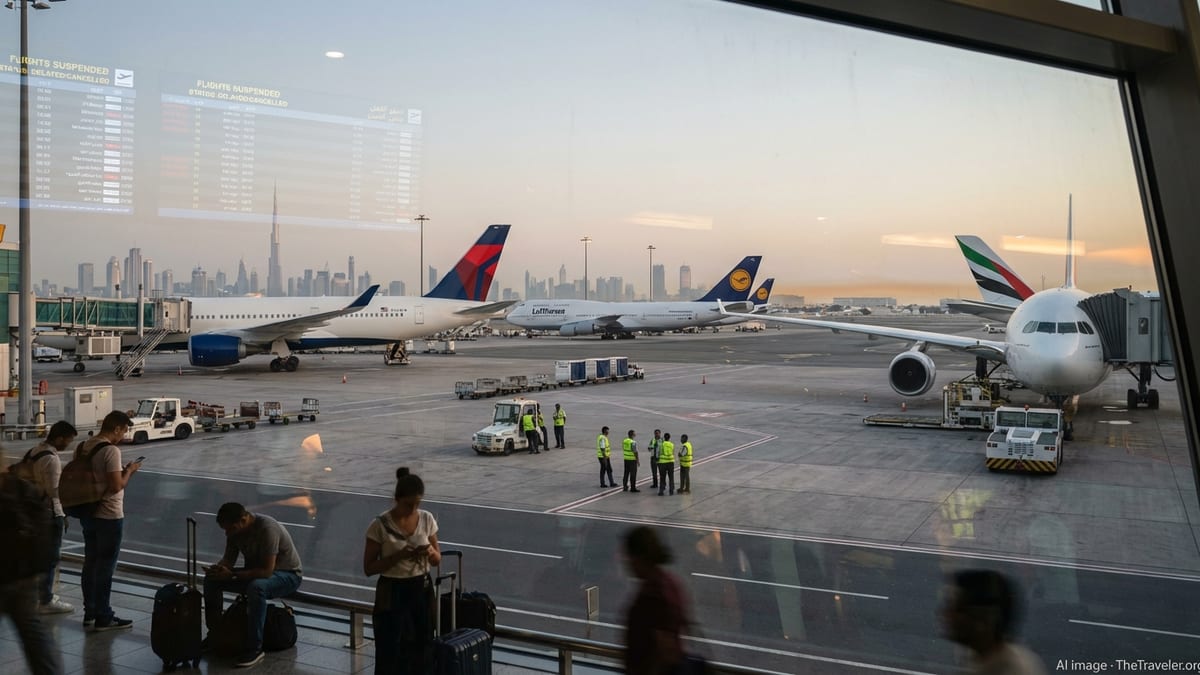
Multiple Airports Hit by Disruptions on Key Travel Days
Published coverage and live flight tracking over recent weeks indicate that flight operations at several of Canada’s busiest airports have come under pressure from a mix of adverse weather, operational constraints, and crew scheduling challenges. Edmonton International Airport has seen repeated periods where large portions of the day’s departures were delayed or cancelled, particularly during bouts of strong winds and storms moving across the western provinces. Passengers reported entire blocks of afternoon and evening departures scrubbed or pushed back, with ripple effects on connections through Calgary and Toronto.
In central Canada, Montreal Pierre Elliott Trudeau International Airport and Ottawa Macdonald Cartier International Airport have experienced their own sets of problems. Reports from travelers point to clusters of cancellations on domestic routes, such as service between Ottawa and Toronto’s downtown Billy Bishop airport, where multiple flights in a single day were dropped due to crew availability. Separate regional and international services touching Montreal have also been cancelled or suspended as airlines adjust their networks and respond to changing regulatory and economic conditions.
Toronto Pearson, Canada’s largest hub, has continued to operate high volumes of traffic, but the concentration of flights means that even a limited number of cancellations can quickly strand significant numbers of passengers. When weather systems, air traffic restrictions, or airline scheduling issues coincide, Pearson’s role as a central connection point can transform isolated problems into broader disruptions across Canada, the United States, and long haul routes to Europe and beyond.
While not every day brings widespread disruption, the pattern of clusters of cancellations at all four airports has left many travelers with little warning and limited same day alternatives, especially on popular domestic and transborder routes.
Weather, Staffing, and Network Adjustments Drive Cancellations
Public posts from affected passengers and available flight data suggest that weather has been a major driver of cancellations at Edmonton in recent weeks. Strong winds and difficult conditions have led airlines to suspend or significantly delay departures rather than operate in marginal safety environments. This has been particularly disruptive for travelers using Edmonton as their origin point for connections via Calgary or Toronto, where a single cancelled feeder flight can break an entire international itinerary.
At Ottawa Macdonald Cartier, recent cancellations on short haul business routes have been linked to crew scheduling challenges. Travelers have described multiple same day cancellations on the Ottawa to Toronto Billy Bishop corridor, a route generally marketed as a frequent, high convenience shuttle. When several frequencies on a route like this vanish within hours, passengers are often pushed onto later flights to Toronto Pearson or forced to abandon same day travel plans altogether.
In Montreal, cancellations and suspensions have been driven in part by changes to airline route planning and by regulatory requirements. One carrier serving Montreal recently cancelled a scheduled international flight after receiving new last minute administrative and operational conditions for the arrival, opting to halt the service until all obligations could be met. Other routes planned for this summer season have been quietly removed or reduced as airlines respond to demand patterns and fuel costs, leaving travelers who booked early to discover their flights no longer appear on schedules.
Toronto Pearson’s cancellations are influenced by a broader mix of factors, including the knock on effect of storms elsewhere in North America, air traffic control flow limits, and the residual impact of staffing constraints at airlines and ground handling partners. When flights into Pearson from secondary Canadian cities are delayed or cancelled, passengers can miss connections to long haul or U.S. destinations, turning what appears on paper to be a single cancellation into dozens of disrupted journeys.
How Passengers Are Being Affected on the Ground
For travelers, the immediate impact of these disruptions is often hours of uncertainty in terminal buildings as departure boards shift from on time to delayed and, eventually, to cancelled. In Edmonton and Ottawa, passengers have described experiences of boarding and deboarding aircraft multiple times before final cancellations, spending much of the day in limbo without clarity on whether they will travel at all.
At Montreal Trudeau and Toronto Pearson, where many journeys rely on tight connections to other domestic or international flights, the effect can be even more severe. A cancelled regional flight may strand travelers who were counting on meeting onward services to Europe, the Caribbean, or the United States, forcing them to rebook complex itineraries and find last minute accommodation in already busy airport districts.
Families traveling with children and passengers on time sensitive trips, such as business meetings or events, are particularly hard hit. Long customer service queues can form quickly when multiple flights are cancelled at once, and limited same day capacity means that some travelers are being rebooked onto flights departing many hours or even a full day later. Those whose trips involve rail or bus connections at their final destination face cascading changes and additional costs.
Travelers also report confusion around entitlements such as meal vouchers, hotel coverage, and cash compensation. With cancellations attributed variously to weather, operational issues, and schedule changes, understanding which set of rules applies in each case has become a key concern for passengers stranded at the four airports.
What Travelers Can Do If Their Flight Is Cancelled
Publicly available guidance from airlines and government agencies emphasizes that passengers affected by cancellations at Edmonton, Montreal Trudeau, Ottawa Macdonald Cartier, or Toronto Pearson should first verify the real time status of their flight through official airline channels before heading to the airport. During periods of widespread disruption, online tools and mobile apps are usually updated before airport departure boards, allowing travelers to adjust their plans earlier.
If a flight is cancelled, travelers are generally entitled to a choice between rebooking on the next available service or receiving a refund for the unused portion of the ticket. The specific options depend on the airline’s policies, the cause of the cancellation, and applicable passenger protection regulations. In some cases, passengers may also be eligible for additional compensation, though weather related cancellations and certain safety driven decisions are often excluded from cash payments.
At the airport, it can be helpful to simultaneously use self service tools, such as mobile apps or airline websites, while waiting in line to speak with staff. Many travelers stranded at Canadian airports in recent weeks have reported finding earlier replacement flights through digital channels than were initially offered at traditional service counters. For those with complex itineraries involving multiple airlines, contacting the original booking channel, whether an online agency or a human travel advisor, can speed up rerouting options.
Travel insurance may play a role in covering out of pocket expenses such as hotels, meals, and alternative transportation when cancellations stretch into overnight delays. Policies vary widely, so travelers are encouraged to review coverage details before departure and to retain receipts for any unexpected costs incurred during the disruption.
Preparing for Continued Volatility in Canadian Air Travel
Recent patterns at Edmonton, Montreal Trudeau, Ottawa Macdonald Cartier, and Toronto Pearson suggest that Canadian air travelers should be prepared for a period of ongoing volatility, particularly around peak travel days and during unsettled weather. Airline schedules remain dense at the major hubs, and even modest operational shocks can have outsize effects on passengers with close connections.
Travel experts often recommend choosing longer connection times at large hubs like Toronto Pearson and Montreal Trudeau, especially when transiting from smaller Canadian cities or during seasons known for storms. While this can lengthen total journey time, it reduces the risk that a short delay or cancellation on the first leg will jeopardize an entire itinerary.
Passengers booking summer or early autumn trips may also wish to monitor their reservations closely in the weeks leading up to departure. With airlines still refining networks and adjusting capacity, some routes are being altered, reduced, or withdrawn altogether. Early awareness of schedule changes gives travelers more flexibility to rearrange plans before remaining seats fill up.
For now, the situation at Canada’s major airports remains dynamic. Travelers passing through Edmonton, Montreal Trudeau, Ottawa Macdonald Cartier, and Toronto Pearson in the coming days are advised to build extra time into their plans, keep a close eye on flight status notifications, and familiarize themselves with their rights if cancellations or long delays occur.