


Perched on the Arctic Circle in Finnish Lapland, Rovaniemi has become a dream destination for families chasing Santa, couples hoping for Northern Lights, and adventure travelers keen on huskies, reindeer and snowmobiles. Planning a trip here is not difficult, but it is expensive and highly seasonal, so smart timing and realistic expectations matter. This guide walks you through when to go, how long to stay, what things really cost and how to combine Santa Claus Village, aurora hunting and Arctic activities into one well-balanced itinerary.
Get the latest updates straight to your inbox!
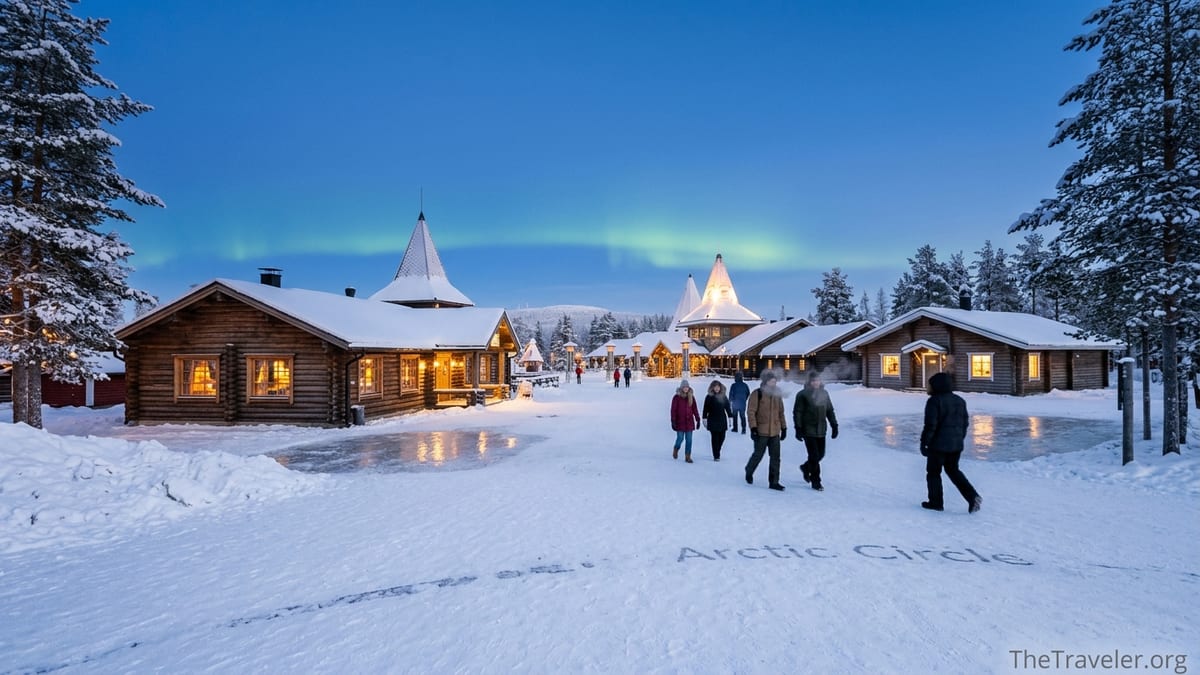
Choosing the Best Time to Visit Rovaniemi
If your priorities are Santa Claus Village and a snow-covered Christmas-card setting, late November through early January is the classic season. Expect short daylight, heavy crowds and peak prices, especially around Christmas and New Year when many hotels in and around Santa Claus Village sell out months ahead. A three-night family stay in December at a midrange cabin in Santa Claus Village or nearby can easily run well over a thousand euros, before you book any activities or meals.
For Northern Lights and winter activities with fewer people and often clearer skies, February and March are excellent. Local operators and Lapland-based guides note that aurora sightings in Rovaniemi are possible roughly from late August to early April, with particularly strong odds between September and March, and many travelers report good luck in February and early March when the nights are still long but the weather is a little less harsh than January. You still get deep snow, but more daylight hours for excursions.
If you care more about budget and quieter experiences than about deep winter, consider September or early October. The aurora season has usually started, accommodation is cheaper than in December, and the forests glow with autumn colors instead of snow. The tradeoff is that Santa Claus Village is open but feels less like a winter wonderland, and classic snow-based activities will not be running yet. July and early August are the warmest and are perfect for hiking and Midnight Sun, but there is no Northern Lights then and Santa-oriented experiences feel less seasonal.
In shoulder periods such as late March, you may be able to ski in the afternoon under bright sun and join an aurora tour that same night. However, snow conditions do start to soften, and some winter-only attractions wind down by early April. When planning, check your exact travel dates against recent local information about aurora season and tour operating calendars, and build in at least three nights in Rovaniemi if seeing the Northern Lights is important to you, since no operator can guarantee clear skies.
Getting to Rovaniemi and Around the Arctic Circle
Most international visitors reach Rovaniemi via Helsinki. Finnair and other carriers typically operate daily flights between the Finnish capital and Rovaniemi Airport in winter, with flight times of about 1 hour 15 minutes. In peak December weeks it is common to see prices for a one-way Helsinki–Rovaniemi flight climb well above a couple of hundred euros per person, especially close to departure. Booking several months ahead or targeting midweek flights in February or March can keep costs moderate.
For a slower and often more atmospheric option, consider the overnight train from Helsinki to Rovaniemi, often marketed as the “Santa Claus Express.” A two-person sleeping compartment with private facilities can cost roughly the same as or slightly more than a budget flight, but it replaces a hotel night and lets you wake up in Lapland. Families often book a four-berth compartment for a private cabin feel. Trains usually arrive within easy taxi distance of city hotels, and you can hop on a local bus or shuttle to Santa Claus Village on the Arctic Circle, about 8 kilometers north.
Once in Rovaniemi, many winter visitors do not rent a car at all. City hotels, the train station, the main riverfront and Santa Claus Village are connected by regular local buses, and several lines stop at or near key attractions such as SantaPark, a Christmas theme park in a cavern, and the Arktikum museum. Many tour operators include hotel pickup in their prices, particularly for snowmobile safaris and evening Northern Lights tours, which saves you from driving icy roads in the dark. For example, a snowmobile plus husky and reindeer day trip might advertise round-trip transfers from central Rovaniemi and Santa Claus Village as standard.
If you want flexibility to explore beyond the main areas or to stay at a remote glass igloo resort, hiring a car can make sense, but winter driving demands caution. Road conditions vary from compacted snow to slick ice, and daylight hours are short in midwinter. Rental agencies in Rovaniemi normally provide studded winter tires and can advise on parking and block heaters. For many first-time visitors focusing on Santa and organized excursions, relying on transfers and buses is simpler and often cheaper.
Santa Claus Village: What to Expect and How to Plan Your Day
Santa Claus Village itself is a compact Christmas-themed park straddling the Arctic Circle, free to enter and open year-round. Inside you will find Santa’s official office where you can meet him for a professional photo, Santa Claus Main Post Office that handles letters from around the world, souvenir shops heavy on Lapland crafts and Christmas decorations, and several restaurants and cafes serving hot berry juice, reindeer dishes and international comfort food. Families often spend an entire day moving between these indoor attractions and short outdoor activities.
Meeting Santa is usually the emotional highlight for children. You do not pay to queue, but you pay for photo and video packages, which can add a noticeable extra cost for larger families who want multiple prints and digital files. The post office is another key stop, where you can buy postcards and have them stamped with a special Arctic Circle postmark or arrange for Christmas cards to be sent the following December. Even adults often find themselves browsing the wall of children’s letters to Santa from all over the world.
Around the central square there are short reindeer and husky sleigh rides marketed toward day visitors. For example, a brief reindeer circuit of a few hundred meters can cost in the region of 50 to 60 euros per adult in peak December weeks, slightly less for children, with prices often dropping outside the Christmas rush. These rides are ideal if you have limited time or are traveling with very young children who cannot manage longer safaris. However, they are usually over in a few minutes and take place in busy surroundings rather than remote forest.
If you want a more immersive Arctic feel, consider combining a half-day at Santa Claus Village with a separate excursion to a reindeer or husky farm out in the countryside, booked through a local operator. Many guests stay at cabins within or next to Santa Claus Village, such as chalet-style cottages or glass-roofed suites, to maximize the festive atmosphere. Others choose to base themselves in Rovaniemi city, where there are more dining choices and potentially lower hotel rates, then visit the village as a day trip using local buses or the dedicated Santa-branded shuttle.
Chasing the Northern Lights Responsibly
Rovaniemi is far enough north for frequent aurora activity between autumn and spring, but clouds and light pollution from the town can limit what you see. That is why many visitors book at least one guided Northern Lights excursion outside the city. Typical evening tours last 3 to 5 hours and might involve driving 30 to 60 minutes to a lakeshore, forest clearing or small wilderness camp, sometimes with a campfire dinner and warm drinks. Operators usually loan thermal suits and boots, though you should still bring proper winter layers underneath.
Prices for small-group aurora tours often start around 100 to 150 euros per adult, rising for private tours with photography instruction. Some trips use minibuses and focus purely on maximizing the chance of clear skies by monitoring forecasts and driving long distances if necessary. Others combine a shorter drive with storytelling, local snacks and time by the fire, accepting slightly lower odds in return for comfort. It is important to read recent reviews and understand whether your chosen operator conducts “chasing” tours or primarily stays at one base camp.
While some hotel rooftop terraces and riverbank spots in Rovaniemi can yield aurora sightings on strong nights, your chances generally improve once you get a little way out of town. Travelers who stay in glass igloo suites or remote lodges often mention seeing the lights without leaving their bed when conditions align. However, these premium accommodations carry high nightly rates, especially in December and February. A balanced strategy for many visitors is booking one or two dedicated aurora tours and choosing a hotel or apartment with at least a decent north-facing view in case the lights appear unexpectedly.
Always keep expectations grounded. Even during strong solar activity, you might face several cloudy nights in a row or only see a faint green arc rather than dramatic curtains dancing overhead. Booking four or five nights in the region, being flexible about which evenings you go out, and treating aurora hunting as one of several reasons to visit rather than the only one will make your trip feel successful even if the sky does not fully cooperate.
Arctic Adventures: Huskies, Reindeer, Snowmobiles and More
Winter activities are where Rovaniemi can become very expensive very quickly, so it helps to understand what is available and what typical prices look like. Recent price lists from local operators suggest that a classic husky safari can run from roughly 150 euros per person for a short 10-kilometer ride up to well over 250 euros for longer excursions, often including transfers, warm gear and a snack. These tours usually allow you to take turns driving the sled in pairs, with a guide leading the convoy through snowy forest trails. Families sometimes opt for shorter rides to keep costs manageable and avoid small children getting too cold.
Reindeer experiences tend to be quieter and more traditional. A simple reindeer farm visit with a short sleigh ride close to Rovaniemi might cost around 70 to 120 euros per adult when booked as part of a group, while longer safaris lasting several hours are priced higher and typically include a meal and stories about Sámi and local reindeer herding culture. Because farms lie outside the city, the fact that many tours include round-trip transportation is significant value, especially in deep winter when independent public transport to remote areas is limited.
Snowmobile safaris attract those who want a faster-paced activity. A half-day snowmobile tour combining visits to both a reindeer and a husky farm can cost in the range of 190 to 250 euros per adult, based on two people sharing one snowmobile, with an extra fee if you want to drive solo. Operators often include helmets, balaclavas and warm outer clothing, but sometimes ask guests to bring their own gloves and wool socks, so packing appropriate base layers is still important. On top of the base price, there may be an optional damage-reduction insurance fee, which many visitors choose for peace of mind.
Beyond these headline experiences, you will find snowshoe hikes through boreal forest, ice fishing on frozen lakes, tobogganing hills for children at Santa Claus Village, plus spa and sauna options in town for warming up afterward. A common strategy is to book one major paid activity per day and keep the rest of the day flexible for free or low-cost pursuits: walking along the frozen Kemijoki river, visiting the science and culture exhibits at Arktikum museum, or simply enjoying snowy playgrounds and local cafes. This not only helps balance your budget but also allows for rest in what can be a physically tiring environment.
Budgeting, Booking and Avoiding Common Pitfalls
Rovaniemi is not a cheap destination, and many first-time visitors underestimate daily costs. Apart from flights and accommodation, the biggest line item is usually activities. For a couple or small family, doing one husky safari, one reindeer experience, one snowmobile tour and one Northern Lights excursion can easily reach well over a thousand euros in total, particularly in peak season. Food prices are also higher than in many parts of Europe, especially in Santa Claus Village where you pay for convenience and atmosphere. Eating some meals in Rovaniemi city, or choosing accommodation with a kitchenette and buying groceries from local supermarkets, can significantly reduce costs.
Booking early is critical for trips during December and school holidays. Popular glass igloo resorts, Santa photo sessions at preferred times of day and top-rated small-group tours often fill months in advance. In contrast, February and March can offer more last-minute availability, though Northern Lights tours and the most photogenic husky farms can still sell out on busy weekends. When comparing tours, check what is included in the price: some operators provide full thermal clothing, hot meals and professional photos, while others only cover transport and a basic experience.
One common pitfall is overloading your schedule. Jet-lagged children, late aurora nights and sub-zero temperatures make a packed itinerary exhausting. Instead of booking multiple long excursions for each day, allow margin for weather changes and rest. For instance, plan Santa Claus Village on your first full day when everyone is excited but still adjusting, then alternate more intense activities such as snowmobiling with gentler days in town or short reindeer rides.
Another frequent surprise is how quickly optional extras add up, from photo packages with Santa to rental costs for winter clothing if you do not bring your own. If you are on a strict budget, decide in advance where you are willing to splurge and where you can scale back. Families might choose to invest in a longer husky safari and keep the reindeer ride short, or skip glass igloos in favor of a comfortable central hotel and allocate the savings to an extra aurora tour.
Sample Itineraries for Different Travelers
A classic three-night family itinerary in winter might look like this: arrive in Rovaniemi in the afternoon, settle into a cabin or family hotel, and take a short walk around town. On day two, dedicate a full day to Santa Claus Village, including meeting Santa, visiting the post office and enjoying one or two brief animal rides or snow play areas, then return to your accommodation for an early night. On day three, book a half-day husky or reindeer safari in the morning and a gentle Northern Lights tour in the evening, keeping day four free for last-minute shopping, a visit to Arktikum or Pilke science center, and your departure.
Couples focused on auroras and Arctic romance might stay four or five nights. After arriving, they could spend the first evening on a simple city walk and riverside sauna. The next day, they might explore Arktikum and the cafes of central Rovaniemi, followed by a late-night small-group aurora chase. On day three, a snowmobile safari with visits to reindeer and husky farms adds excitement, while day four could be devoted to a slower-paced reindeer experience or snowshoe hike, saving the last night for either a second aurora tour or a splurge on an overnight stay in a glass-roofed suite.
Adventure travelers with more time often use Rovaniemi as a gateway rather than a sole destination. A week-long trip could begin with two nights in Rovaniemi for Santa Claus Village and a Northern Lights attempt, then continue north by bus or rental car to quieter Lapland villages with cross-country ski trails and fewer crowds. This approach offers a contrast between the festive, commercial side of Rovaniemi and the more remote Arctic landscapes many imagine when they think of Lapland, though it does require more logistics and potentially higher transport costs.
Regardless of travel style, it is wise to build some flexibility into your plan. Winter storms can delay flights and cancel snowmobile tours, while auroras can appear on nights you did not expect. Keeping one evening open, or being ready to swap days between activities if your operator suggests better weather windows, will reduce stress and improve your chances of ticking off your Rovaniemi wishlist.
Staying Warm, Safe and Respectful in Lapland
Proper clothing is essential in Arctic conditions. Even though many tour companies offer thermal overalls and boots, they assume you are already wearing warm base and mid-layers. In practical terms, that means thermal underwear, wool or fleece sweaters, insulated trousers, thick wool socks, a good hat, scarf or buff, and gloves plus over-mittens if possible. At temperatures dropping toward minus 20 degrees Celsius or lower, exposed skin can become painful within minutes, especially when moving at speed on snowmobiles or sleds. Packing chemical hand warmers and spare socks can make the difference between enduring and enjoying an activity.
Safety briefings on husky and snowmobile tours are not a formality. Listen carefully when guides explain how to brake a sled, how close to follow the snowmobile in front of you and what to do if you fall. Many safaris require drivers to hold a valid car license, and some will not allow children below a certain age to ride their own sled or sit behind the driver on a snowmobile. Insist on helmets where offered, and be honest about your comfort level. If you prefer, most operators are happy to seat you as a passenger with an experienced guide.
Respect for nature and local culture is just as important as personal safety. Stay on marked trails unless guided, avoid approaching or feeding wild animals, and follow your operator’s guidance on photography around Sámi cultural elements or private farms. When visiting reindeer farms, remember that the animals are working livestock central to local livelihoods, not theme-park props. Tipping is not mandatory in Finland, but many visitors choose to round up or leave a modest tip for guides who have gone above and beyond, particularly on long, cold aurora nights where they kept groups comfortable and informed.
Finally, pace yourself and recognize when the Arctic environment is taking its toll. Dehydration is common because the air is so dry and people forget to drink water. Alcohol feels stronger after a day in the cold and can worsen the chill. Make time for warm indoor breaks, whether that is a Lapland-style lunch of reindeer stew in Rovaniemi city, coffee and pastries in a cafe, or a sauna session at your hotel. Looking after your energy levels will help you appreciate the magical moments instead of just enduring the cold.
FAQ
Q1. How many days do I need in Rovaniemi to see Santa and the Northern Lights?
Most visitors aiming to visit Santa Claus Village and have a reasonable chance at Northern Lights stay three to four nights. This allows one full day for Santa-focused activities, one for a major Arctic adventure such as a husky or snowmobile safari, and at least two or three evenings when you can schedule aurora tours or keep an eye on the sky.
Q2. When is the best month to visit Rovaniemi for snow and Northern Lights?
For a combination of reliable snow, long nights and a good balance of price and crowds, February and early March are often recommended. December feels most festive but is the busiest and most expensive period, while January is very cold and dark. Autumn months like September and October can also deliver auroras with lower prices, though without a full winter landscape.
Q3. Is Santa Claus Village free to enter, and what will I pay for?
Entry to Santa Claus Village is free, and you can walk around, cross the Arctic Circle line and visit many shops without paying a ticket. You pay for extras such as professional photos and videos with Santa, short reindeer or husky rides, some specific attractions and, of course, food and souvenirs. These extras can add up quickly, so it is worth deciding your priorities in advance.
Q4. Do I need to book husky and reindeer tours in advance?
In December and during major school holidays, you should book popular husky and reindeer tours several months ahead to secure your preferred dates and times. In February and March there may be more flexibility, but top-rated small-group tours and farms still sell out on busy days. Booking early also lets you compare what different operators include, such as clothing, meals and photography.
Q5. Can I see the Northern Lights from Rovaniemi city without a tour?
It is possible on strong aurora nights to see the lights from darker parts of the city, especially along the river or from hotel viewpoints, but light pollution and cloud cover reduce your chances. Guided tours that drive you 30 to 60 minutes outside Rovaniemi significantly improve the odds by seeking clearer skies and darker locations. Many travelers combine at least one guided tour with casual sky-watching from their accommodation.
Q6. Should I rent a car in winter, or rely on tours and buses?
First-time winter visitors focusing on Santa Claus Village and organized excursions often find it easier to rely on airport transfers, local buses and hotel pickups included in activity prices. Renting a car offers more freedom to explore remote areas or move between resorts, but driving on icy roads in darkness requires confidence and experience. If you do rent, make sure the vehicle has proper winter tires and ask about parking and engine heaters.
Q7. How expensive are activities in Rovaniemi?
Rovaniemi is an expensive adventure destination. As rough examples, many husky safaris cost from around 150 euros per person, snowmobile safaris from around 130 to 200 euros per person depending on length, and reindeer experiences from roughly 70 euros upward when booked in a group. Northern Lights tours commonly start around 100 euros per adult. These are broad ranges and vary by season, group size and inclusions.
Q8. What should I pack for a winter trip to Rovaniemi?
Pack warm base layers, insulating mid-layers, a windproof and waterproof outer jacket and trousers, thick wool socks, a hat covering your ears, scarf or neck gaiter, and good gloves or mittens. Many tour companies provide thermal overalls and boots, but they expect you to have proper clothing underneath. Hand warmers, lip balm, moisturizer and a thermos for hot drinks can all enhance comfort in the cold.
Q9. Is Rovaniemi suitable for very young children?
Yes, many families visit with toddlers and young children, especially for Santa Claus Village. However, you will need to plan shorter days outdoors, build in plenty of warm-up breaks and be selective with activities. Long snowmobile safaris and late-night aurora chases are often too tiring and cold for little ones, whereas short reindeer rides, gentle husky encounters and indoor attractions work well.
Q10. Can I combine Rovaniemi with other Lapland destinations?
Many travelers use Rovaniemi as a starting point, spending two or three nights there before continuing north to quieter ski resorts and villages. This combination lets you enjoy the festive atmosphere and attractions of Santa Claus Village, then experience more remote Arctic landscapes and perhaps better aurora conditions farther from city lights. Public transport and rental cars make such combinations feasible, though you should factor in extra travel time and cost.