


Cape May, at the very southern tip of New Jersey, has a reputation as the Jersey Shore town for people who prefer front porches to funnel cake and jazz trios to nightclubs. That sounds idyllic to some travelers and boring to others. If you are wondering whether Cape May is worth visiting or simply too quiet for your style, the answer depends on when you come, where you stay, and what kind of energy you want from a beach town.
Get the latest updates straight to your inbox!
The Character of Cape May: Historic, Walkable and Intentionally Low-Key
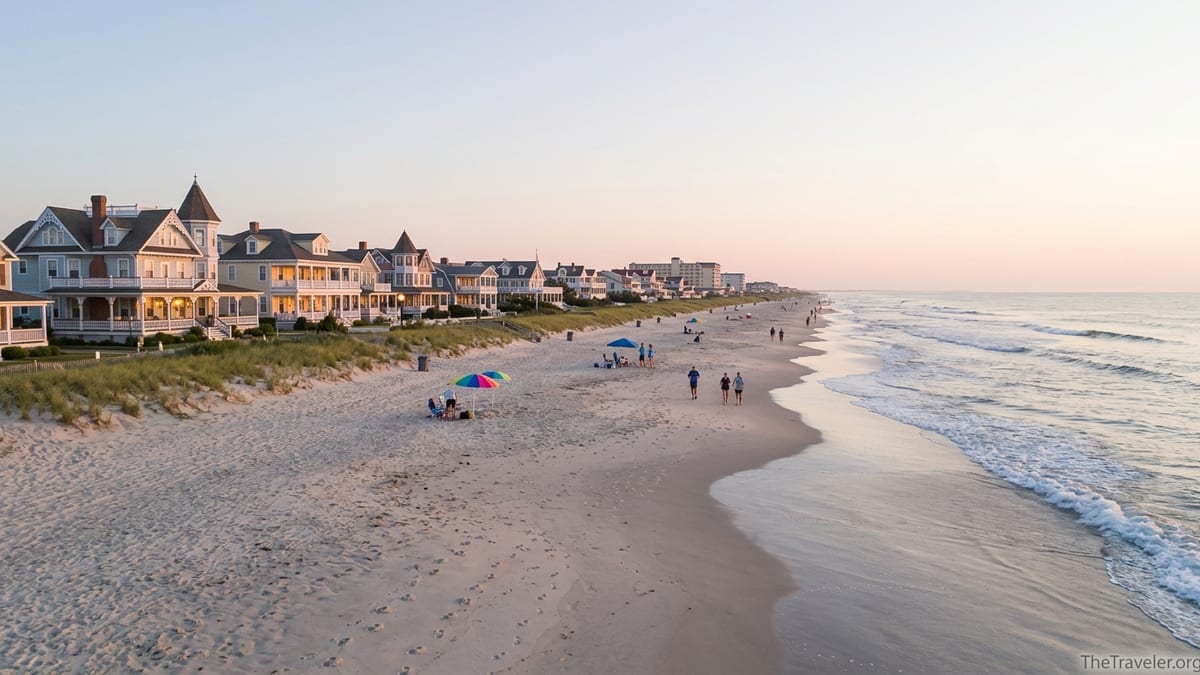
Cape May is one of the country’s oldest seaside resorts, with 19th-century roots as a summer escape for Philadelphians and other East Coast city dwellers. Much of that history is still visible today in its carefully preserved Victorian houses and the designation of the entire town as a National Historic Landmark. Strolling along Beach Avenue or through the side streets near Jackson Street, you see gingerbread-trimmed inns, wraparound porches and B&Bs that set a more genteel tone than the neon-heavy boardwalks of other Jersey Shore towns.
The town’s core is compact and very walkable. The pedestrian-only Washington Street Mall functions as the informal center: a few blocks of brick walkways lined with independent boutiques, ice cream shops, casual seafood spots and coffee houses. Visitors routinely comment on how easy it is to park once at their hotel or rental and then forget the car for most of the trip, using bikes or walking to reach the beach, dinner, or evening drinks. Compared to more sprawling shore destinations, that small footprint contributes to a slower, village-like feel.
That said, quiet is relative. In high summer from late June through August, Cape May is far from sleepy. The beach along Beach Avenue gets busy, outdoor tables at popular restaurants fill up early, and wait times at well-known breakfast places are common. What you won’t generally find are late-night arcades, amusement piers or rowdy, club-heavy strips. Travelers who associate “lively” with carnival rides and thumping bass often head instead to nearby Wildwood, about a 20-minute drive north, and then dip into Cape May for a calmer evening.
When Cape May Feels Too Quiet – And When It Does Not
Seasonality plays a huge role in whether Cape May will match your preferred energy level. Summer is peak season, with families, couples and multigenerational groups filling hotels, rentals and campgrounds, and the beaches busy through the day. Even then, many visitors and local residents describe the town’s vibe as charming and serene compared with surrounding shore resorts. If you like crowds at the beach and a buzz around town by day but prefer your nights to wind down by 11 p.m., high summer in Cape May will likely suit you.
Shoulder seasons tell a different story. After Labor Day in early September, the town quickly quiets. Shops and restaurants stay open much longer than they did a decade or two ago, but evenings grow mellow and many properties reduce hours or close for stretches in late fall and winter. Travelers who enjoy long walks on mostly empty sand, easier parking near the beach and discounted midweek hotel rates often target mid-September to October. On the other hand, visitors coming in March hoping for a party scene usually find a sleepy small town, with live music limited to a handful of venues and many seasonal businesses not yet fully open.
Winter, from roughly January through early April, is the quietest stretch. A core of restaurants, coffee shops and the Washington Street Mall businesses keep the town from feeling abandoned, and special events and birding weekends still draw dedicated visitors. However, beach life is more about bundled-up walks and storm watching than umbrellas and bar service. If your idea of vacation requires nightlife options every night of the week, winter Cape May will almost certainly feel too subdued.
What “Quiet” Looks Like on the Beach and Around Town
To understand whether Cape May is too quiet for you, it helps to picture a typical summer day. By mid-morning, the main stretch of Cape May Beach along Beach Avenue hums with activity: families unloading wagons, couples setting up chairs near the waterline, and surfers and paddleboarders taking advantage of the Atlantic swells. Beach tags are required in season and can be bought at booths near the entrances, typically for a modest daily or weekly fee. On popular weekends, the central blocks can feel as busy as anywhere on the Jersey Shore, though the atmosphere leans more toward sandcastle building and beach reads than loud radios.
If your goal is escape-from-everyone quiet, there are still options. The beaches near Cape May Point and the state park tend to be less crowded, with more natural dunes and views of the lighthouse. Sunset Beach on the Delaware Bay side is known for its more tranquil feel, with visitors scattered across the sand searching for small quartz pebbles often called “Cape May diamonds” and gathering in the evening to watch the sun drop behind the bay. Travelers used to shoulder-to-shoulder towels in other shore towns are often pleasantly surprised to find significant space between groups on these outer beaches, even in midsummer.
Away from the water, “quiet” shows up as porches rather than patios. Instead of large, outdoor mega-bars blasting music, you are more likely to see guests at classic inns sitting on rocking chairs with a drink before dinner, or cyclists coasting down tree-lined streets at dusk. Evening noise along Beach Avenue is mostly the sound of pedestrians and normal traffic. There is no boardwalk lined with midway games; the closest equivalent is the Washington Street Mall, where the soundtrack tends to be the clink of silverware on outdoor patios and the occasional street performer.
Nightlife: Cozy Bars, Live Music and Nearby Alternatives
Nightlife is where Cape May’s low-key nature becomes most obvious. You will find a solid collection of bars and lounges, but most are attached to restaurants or historic hotels and focus on conversation, craft cocktails and occasional live music rather than dance floors or club DJs. Spots inside Victorian-era hotels and new venues in rehabbed houses serve wine flights or local gin, and their bars often close around midnight or earlier, especially outside peak summer.
For live music fans, Cape May offers more than you might expect from its size. Small bars like those inside long-running restaurants often feature solo acoustic performers or small bands on most summer nights, and recently opened venues in renovated Victorians have added regular live music a few nights a week. Seasonal events, from outdoor concerts at hotel gardens to music weekends and a jazz festival, layer on more options. The tone, however, remains intimate: think a three-piece band in a cozy bar or a singer-songwriter on a patio rather than a packed nightclub.
If you want a wilder night out, it is common for visitors to use Cape May as a base but drive or rideshare to nearby Wildwood or Wildwood Crest. There you will find a classic boardwalk with amusement piers, louder bars and late-night energy, then return to Cape May’s quieter streets to sleep. In practice, this means you can design your own level of liveliness: enjoy oysters and a glass of Cape May–area wine in town, then head for a few hours of arcade games and rides up the coast before coming back to Victorian calm.
Food, Drinks and Experiences: Quiet Does Not Mean Boring
While Cape May can feel reserved, its food and drink scene is surprisingly robust. For a small city, it offers an outsized number of independent restaurants, many of them chef-driven and focused on local seafood and produce. In summer 2026, you will find everything from white-tablecloth dining in restored mansions to relaxed BYOB spots serving lobster rolls and fresh fluke tacos. Reservations at the most popular places are strongly recommended in July and August, where a Saturday prime-time table might book out weeks ahead.
Beer and wine lovers have plenty to do even on days when the beach is windy. The Cape May Brewing Company taproom, set near the county airport, draws visitors for brewery tours, tasting flights and seasonal releases. Several wineries in the broader Cape May Peninsula region offer tastings in vineyard settings, with outdoor seating, live music on certain weekends and food trucks or small bites. For example, it is common for travelers to spend an afternoon moving between a winery patio, a brewery tasting room and then back into town for dinner.
Daytime experiences also help balance the town’s quiet reputation. Families rent surrey bikes to pedal through streets of gingerbread houses, couples take trolley tours that explain the architecture and history, and nature enthusiasts head toward the lighthouse, the bird observatory, or the wetlands for guided walks. Dolphin and whale-watching cruises depart from nearby marinas, and the Cape May–Lewes Ferry connects travelers to Delaware for day trips with onboard views of the bay. In practice, it is rare for visitors, even those who prefer a busier vibe, to run out of things to do on a long weekend.
Who Will Love Cape May – And Who Might Not
If your perfect beach trip centers on relaxation, design details and a sense of place, Cape May is likely to feel very worth visiting. Couples celebrating anniversaries or planning small weddings appreciate the backdrop of Victorian architecture and walkable streets. Multigenerational families enjoy that older relatives can stroll or scooter to the Washington Street Mall while younger adults explore breweries or bike to the lighthouse. Travelers interested in photography, history, birding or simply sitting with a book and a view tend to find that Cape May hits a sweet spot between activity and calm.
On the other hand, some travelers will find the town too quiet. If you are in your twenties and imagining a spring-break-style lineup of nightclubs, foam parties and boardwalk bars open until 3 a.m., you will be happier elsewhere. Groups who measure a beach town’s success by the size of its amusement piers or the number of waterfront clubs might rate Cape May as beautiful but dull after a day or two. Parents of teenagers who crave arcades and thrill rides sometimes pair a stay here with a side trip to Ocean City or Wildwood to keep everyone happy.
Budget considerations also factor into whether a quieter vibe feels worth it. Cape May usually commands higher summer room rates than many nearby towns, thanks to its historic housing stock and strong demand. A classic inn or modern boutique hotel within a block or two of the ocean in July can be a significant splurge, though more modest motels and rentals exist a few streets back or in neighboring communities. Travelers who value nightlife above all else sometimes decide that if they are going to pay peak-season prices, they would prefer a destination where the evenings are busier.
How to Match Cape May’s Mood to Your Travel Style
If you decide Cape May’s core appeal resonates with you but worry about it being too quiet, thoughtful planning helps. Visit in late June or the first half of August if you want the town at its most animated, with full event calendars, extended restaurant hours and a buzz on pedestrian streets each evening. Choose lodging within walking distance of Washington Street Mall or Beach Avenue so you are not isolated after dark. Look for properties that highlight on-site bars, live music evenings or social common spaces if you like meeting other travelers.
Travelers seeking maximum tranquility can do the opposite. Aim for midweek stays in September, when ocean temperatures are often still comfortable but family crowds thin out. Consider accommodations closer to Cape May Point or in the quieter residential pockets off the main commercial streets. Spend more time on the Delaware Bay side or at the state park beaches, where the atmosphere is more about bird calls and waves than people-watching.
You can also customize your days. For instance, one couple might spend a busy Saturday sampling coffee shops, touring the lighthouse, and browsing boutiques, then retreat on Sunday to a less crowded stretch of sand with only a cooler and a novel. A family can alternate an afternoon at a bustling central beach with a calmer evening at Sunset Beach watching the ceremonies that honor veterans and the remains of a concrete ship offshore. By intentionally mixing higher-energy and low-key experiences, you are less likely to feel that Cape May is either overwhelming or too still.
The Takeaway
So is Cape May worth visiting, or is it too quiet for your style? In 2026, the town walks a careful line: lively enough in summer to feel like a genuine beach resort, yet restrained compared with boardwalk-heavy neighbors. Its strengths lie in historic charm, walkability, strong food and drink options, and easy access to both ocean and bay. For travelers who appreciate a softer, more grown-up version of the Jersey Shore, those qualities more than justify the trip.
Where Cape May may fall short is for visitors who define a successful vacation by late-night crowds, clubs or non-stop boardwalk action. Outside of peak summer, and especially in winter, the town settles into a distinctly small-town rhythm that can feel restorative or boring depending on your expectations. Understanding the seasonality, picking the right neighborhood and planning around the experiences that matter most to you will help ensure that, quiet or not, Cape May matches the kind of trip you are hoping to have.
FAQ
Q1. Is Cape May a good choice if I usually go to louder boardwalk towns?
Cape May feels more refined and low-key than classic boardwalk resorts. If you like the idea of stepping away from arcades and amusement rides but still want a busy beach and solid restaurant scene, it can be an appealing change. If your favorite part of vacation is late-night boardwalk energy, you may find Cape May a bit subdued.
Q2. What time of year is Cape May least likely to feel too quiet?
Late June through August is when Cape May is most active. Beaches are busy, restaurants run at full capacity, live music is common and pedestrian areas feel lively into the evening, while still calmer than nearby party-focused towns.
Q3. Will I be bored in Cape May if I like nightlife?
You might feel limited if your idea of nightlife is clubbing until the early morning. Cape May’s evenings center on cozy bars, live music in intimate venues, and drinks on porches or patios. Many visitors pair a quieter stay here with one or two nights out in nearby Wildwood to add more late-night action.
Q4. Is Cape May too quiet for families with kids and teens?
For younger kids, the combination of lifeguarded beaches, bike rentals, ice cream stops and boat trips usually provides plenty to do. Teens who crave arcades, thrill rides and big boardwalks may find Cape May on the calmer side, so some families schedule a day trip to larger boardwalk towns to balance things out.
Q5. How does Cape May compare to other Jersey Shore towns in terms of atmosphere?
Cape May is generally quieter and more historic than Wildwood or Seaside, with no large amusement piers or neon boardwalk. Compared with smaller, strictly residential beach towns, it offers more restaurants, shops and cultural events. Its overall tone is relaxed, walkable and visually distinctive.
Q6. Are there enough rainy-day activities in Cape May, or will it feel dull?
Rainy days can still be full. You can explore the Washington Street Mall, visit local museums, tour wineries and breweries, take a trolley tour, or linger over long meals at restaurants and cafes. For travelers who need high-adrenaline indoor attractions, choices are modest, but most visitors find enough to fill a weekend.
Q7. Is Cape May worth visiting outside of summer?
Yes, but you need to embrace a quieter mood. Fall brings warm water, fewer crowds and special events, while winter offers peaceful beaches and lower rates. Some restaurants and shops reduce hours or close off-season, so research what will be open when you plan to travel.
Q8. Where should I stay if I want a livelier experience in Cape May?
Look for accommodations within walking distance of Beach Avenue or the Washington Street Mall. Historic hotels and inns in this area place you close to bars, restaurants and evening street life, so you will feel the town’s limited but present buzz more than if you stay in outlying neighborhoods.
Q9. Can I enjoy Cape May without a car, or will that make it feel more isolated?
Many visitors park their car and barely use it. The town center, beaches, and many restaurants and bars are within walking or biking distance. Public and private transportation options can get you to nearby attractions if needed, so you are more likely to feel pleasantly unplugged than stranded.
Q10. Overall, who is Cape May best suited for?
Cape May is ideal for couples, food and wine fans, history buffs, birders, and families who value calm beaches and walkable streets over high-intensity nightlife. Travelers seeking a polished but relaxed coastal retreat will usually find it very much worth the trip.