


More news on this day
Kazakhstan is emerging as a surprising new favorite for Australian travelers, with rising visitor numbers, fresh air connections and relaxed entry rules steering more long‑haul trips away from traditional European hotspots and toward Silk Road adventures across the Central Asian steppe.
Get the latest news straight to your inbox!
Record Visitor Growth Puts Kazakhstan on the Global Map
Publicly available data shows that Kazakhstan’s tourism sector has entered a sustained growth phase, with international arrivals rebounding strongly over the past two years. National statistics released in 2024 indicate that foreign visitor numbers have climbed into the tens of millions annually, supported by a parallel increase in domestic travel and investment in hotels, transport and visitor infrastructure across the country’s major regions.
Authorities have reported that the overall tourism economy has expanded at double digit rates compared with pre pandemic baselines, with internal travel alone surpassing 10 million trips in 2024. Major cities such as Almaty and Astana have recorded particularly strong momentum, posting year on year rises in both foreign and local guests as new routes, attractions and events are brought to market.
Kazakhstan’s elevation in the World Economic Forum’s Travel and Tourism Development Index has reinforced its status as one of Central Asia’s more competitive destinations. The improved ranking reflects upgraded airports, better roads into nature reserves and national parks, and a diversification of products that now range from city breaks and ski holidays to trekking, cultural touring and community based rural stays.
International campaigns promoting the country’s mountain landscapes, canyon systems and Silk Road heritage have further boosted awareness. Television features and global travel media lists that now position Kazakhstan alongside more established adventure hubs have helped convert curiosity into bookings from long haul markets, including Australia.
Visa Access and Air Routes Make Central Asia Easier for Australians
One of the main drivers behind the emerging Australian interest in Kazakhstan is easier access. Kazakhstan operates a visa free regime for citizens of dozens of countries, including Australia and New Zealand, for short stays, simplifying trip planning and reducing costs for independent travelers and tour groups alike.
At the same time, regional air connectivity has improved. While there are currently no nonstop flights from Australian gateways, a growing number of one stop combinations via hubs such as Singapore, Dubai, Abu Dhabi and Istanbul are marketing Kazakhstan as an add on or alternative to Europe. Airline partnerships and code share arrangements allow Australian travelers to connect through to Almaty, Astana and secondary cities on a single ticket, often with competitive fares during Europe’s peak summer period.
Travel trade material in Australia increasingly highlights Central Asia packages that combine Kazakhstan with neighboring Silk Road states. Several specialist operators have released itineraries focused on overland journeys between Almaty, the mountains of eastern Kazakhstan and historic cities across the wider region, giving Australians a structured way to explore an area that was previously seen as difficult to access.
Industry analysts note that shifting climate patterns and recurring heatwaves in parts of southern Europe are also part of the calculation. For Australians used to high summer temperatures at home, Kazakhstan’s highland climates and shoulder seasons offer a more temperate option for hiking, riding and cultural touring between May and October.
Silk Road Branding Drives Adventure and Cultural Itineraries
Kazakhstan’s position on the historic Silk Road has become a central theme in new tourism marketing, with tour operators promoting the country as a gateway to caravan routes that once linked China with the Mediterranean. Australian brochures now feature multi day trips that pair Almaty’s Soviet era boulevards and café culture with excursions into desert canyons, lake districts and ancient trading settlements.
Adventure programs typically spotlight destinations such as Charyn Canyon, the Tian Shan foothills and alpine lakes, where hiking, trail running and photography are combined with homestays or small guesthouses in rural villages. These itineraries appeal to Australian travelers seeking active holidays that go beyond sightseeing and beach stays, and who are comfortable with simple infrastructure in exchange for access to remote landscapes.
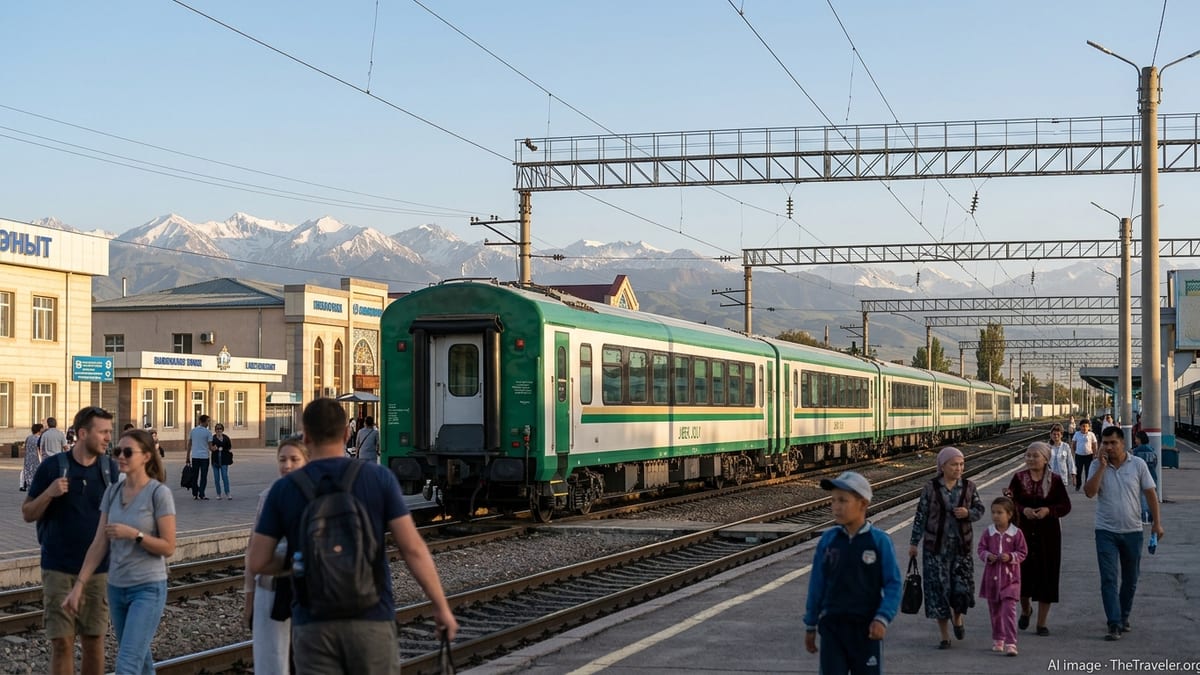
Cultural touring is expanding in parallel. Routes connecting Kazakhstan with neighboring Silk Road hubs, often using rail or long distance road transfers, showcase mausoleums, caravanserai ruins and historic mosques, as well as modern museums dedicated to nomadic culture. Australian visitors are being encouraged to include overnight stays in yurt camps, sample regional cuisines based on lamb, horse and fermented dairy, and visit craft workshops that produce felt, metalwork and textiles.
Travel media in Australia increasingly frames these experiences as a deeper way to understand both Central Asia’s past and the rapid changes underway today, positioning Kazakhstan as a bridge between Europe and Asia rather than a remote periphery.
From Neo Nomad Visas to Digital Remote Work Aspirations
Alongside classic tourism, Kazakhstan is courting longer staying visitors through new residency and work related initiatives. Public information highlights the launch of a so called Neo Nomad visa concept, designed to attract foreign professionals, creatives and digital entrepreneurs who can base themselves in the country while working remotely for overseas employers or clients.
For Australians already accustomed to flexible work arrangements, this trend is adding another dimension to Kazakhstan’s appeal. Co working hubs, tech parks and creative districts in Almaty and Astana are being promoted as bases for mid term stays combining paid work with weekend nature escapes or regional travel along the Silk Road corridor.
Policy documents also underline government ambitions to expand tourism’s contribution to gross domestic product through diversification beyond short holiday stays. Officials are targeting segments such as educational exchanges, film production, sports training camps and conference travel, all of which could generate repeat visits from Australian institutions and organizations.
Analysts note that while these initiatives are still in their early stages, they help position Kazakhstan in the same conversation as other emerging digital nomad hubs, reinforcing the perception among Australian travelers that Central Asia is open, connected and looking outward.
Challenges Remain as Kazakhstan Competes With Europe
Despite the strong momentum, Kazakhstan still faces hurdles in attracting larger numbers of Australians away from Europe. Travel advisories emphasize the need for visitors to understand local conditions, distances and weather patterns, and the country’s tourism infrastructure outside major centers can be basic compared with long established destinations on the continent.
Language remains an obstacle in some rural regions, where English is less widely spoken. Australian operators report that travelers often prefer escorted group tours for first time journeys, both for translation support and to manage complex logistics such as border crossings and long internal transfers.
Environmental pressures are another concern. As hiking and overlanding routes see higher traffic, there is increased scrutiny of waste management, trail erosion and the impact on fragile alpine and desert ecosystems. Industry associations within Kazakhstan have begun to highlight sustainability standards, community partnerships and visitor education as priorities to ensure that growth along new Silk Road routes remains manageable.
Even with these challenges, tourism observers suggest that Kazakhstan’s combination of adventure, culture and relative affordability positions it well to capture a growing slice of Australians who are willing to look beyond Europe for their next long haul journey. If current trends continue, Central Asia’s largest country is likely to move from niche to mainstream within Australia’s outbound travel mix over the coming seasons.