


More news on this day
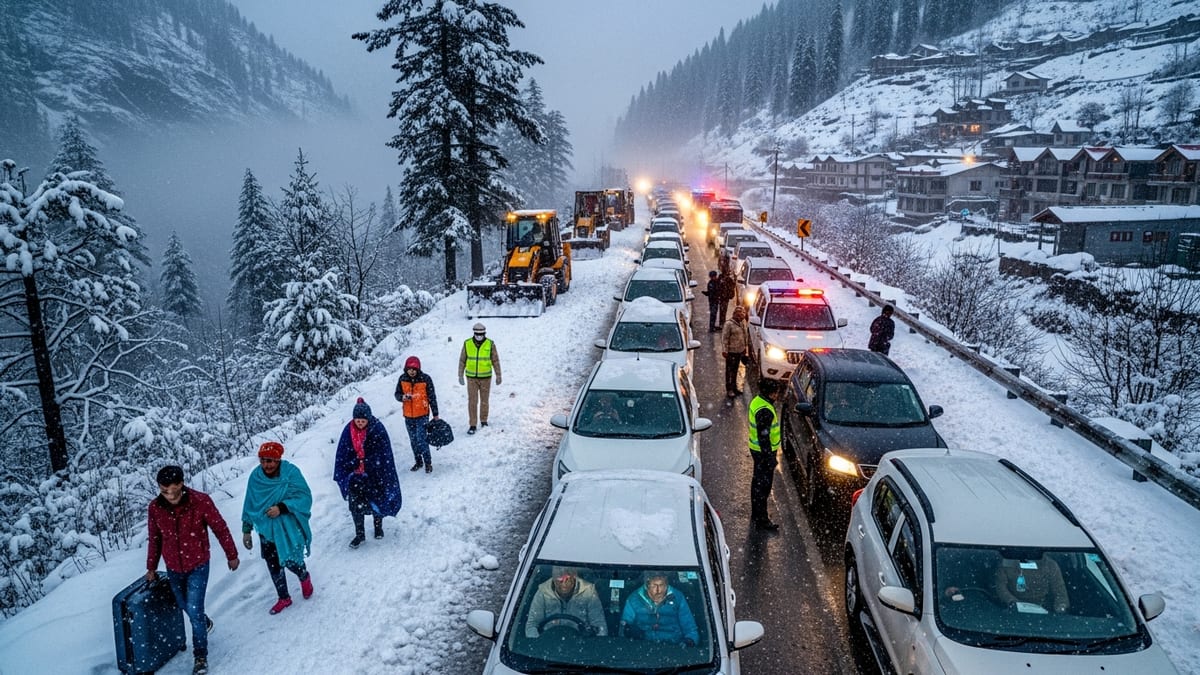
Heavy snowfall at Khunjerab Pass on 14 November 2026 has halted traffic on a high-altitude stretch of the Karakoram Highway, stranding tourists, passenger coaches and China-bound cargo in sub-zero conditions near the Pakistan–China border.
Get the latest news straight to your inbox!
Traffic Disruptions on a Vital Cross-Border Corridor
Reports from Gilgit-Baltistan indicate that sustained snowfall and rain over the past 24 hours have turned the Karakoram Highway into a hazardous route between Sost and the Khunjerab border gate. Accumulated snow and ice on sharp bends have left buses, private vehicles and long-haul container trucks unable to proceed, effectively cutting the flow of road traffic to and from China at one of the region’s highest crossings.
Local media coverage notes that several cargo containers have reportedly skidded off the road in the Khunjerab sector after losing traction on packed snow, although drivers were rescued and no major injuries have been publicly reported. The affected section lies close to the 4,693 metre Khunjerab Pass, the highest point of the Karakoram Highway and one of Pakistan’s most weather-sensitive trade and tourism corridors.
Publicly available information from regional road-monitoring platforms shows that the Karakoram Highway remains open further south towards Gilgit, with the disruption currently concentrated around the high pass itself. However, the halt at Khunjerab comes just days after other mountain routes, including Babusar Top, were closed following early winter storms, limiting alternative road options into Gilgit-Baltistan.
Tourists and Drivers Face Exposure Risks at High Altitude
Travel reports from the area describe dozens of passenger vehicles and tour groups caught in slow-moving lines of traffic near the pass, where winds are strong and temperatures can plunge well below freezing in mid-November. The altitude increases the risk of hypothermia and altitude-related illness for those spending extended hours outside heated vehicles while waiting for conditions to improve.
Passengers have highlighted concerns over a shortage of basic facilities such as heated shelters and medical support along the snowbound stretch. The section between Sost and Khunjerab is sparsely populated, and once vehicles leave the last major settlement, there are limited options for food, fuel or emergency accommodation if the highway closes suddenly due to a fresh burst of snow.
Travel advisories from disaster-management bodies already in place for November warned that wetter than normal conditions and early snowfall in Gilgit-Baltistan could trigger localized avalanches, rockfall and road closures on steep terrain. The current halt at Khunjerab illustrates how quickly conditions can deteriorate on the high Karakoram, particularly after dark or during extended storms.
Impact on Trade Between Pakistan and China
The snow-related stoppage is also affecting commercial freight traffic on one of the principal overland trade routes between Pakistan and China. Containers carrying electronics, machinery, textiles and other goods remain parked on exposed sections of the highway, while export consignments from Pakistan bound for Kashgar and onwards into western China are likewise delayed.
Recent public statements on cross-border trade through Khunjerab highlighted strong growth in customs revenue and the importance of the route for bilateral commerce. The pass serves as the road gateway for a substantial share of imports and exports under the wider China–Pakistan Economic Corridor framework, making any prolonged disruption significant for logistics companies and border operators.
Historical patterns on the Karakoram Highway show that snowfall and weather-related landslides can close high sections of the route for days at a time. Even short closures can create backlogs of trucks at Sost Dry Port and on the Chinese side of the frontier, adding pressure to already tight winter schedules and increasing transport costs as hauliers burn fuel while idling or seeking alternative storage.
Guidance and Expectations for Travellers
Given the latest snowfall at Khunjerab, publicly shared road-status bulletins and local travel forums are advising both domestic and international tourists to postpone non-essential trips to the pass until conditions stabilize. Travellers currently planning late-autumn itineraries to Hunza and upper Gojal are being urged to treat Khunjerab as a flexible side trip rather than a guaranteed highlight, and to build extra buffer days into their plans.
Those already in the region are encouraged, according to open advisories, to seek updated information from police helplines and district administration offices before setting out towards Sost. With Babusar Top and other seasonal passes now suspended for traffic due to recent storms, the Karakoram Highway remains the principal artery into Gilgit-Baltistan, making real-time information on road conditions particularly important.
Safety guidance issued for travel in Pakistan’s northern mountains recommends carrying proper winter clothing, chains for vehicle tyres, fully charged communication devices and sufficient food and water when attempting high passes late in the year. Drivers are also urged to avoid travelling at night in active snowfall, when black ice and reduced visibility can make already narrow mountain sections considerably more dangerous.
Early Winter Signals a Challenging Season Ahead
The mid-November halt at Khunjerab follows a string of early-season storms across northern Pakistan, including heavy snowfall in the Kaghan Valley and the closure of Babusar Road to all traffic in recent days. Meteorological outlooks for November point to wetter than average conditions in Gilgit-Baltistan, indicating that further snowfalls and intermittent closures on high-altitude roads are likely as winter progresses.
For regional tourism businesses in Hunza and surrounding valleys, the disruption is a reminder of how quickly the shoulder season can transition into full winter. Guesthouses and tour operators that market late-autumn trips to the Pakistan–China border must now balance demand from visitors eager to see snow-covered landscapes with evolving safety considerations and the possibility of sudden, multi-day closures at the pass.
While authorities and road agencies work to restore traffic flow on the Karakoram Highway near Khunjerab, the current snowfall serves as an early test of preparedness for the months ahead. For travellers and traders alike, it underlines the importance of closely tracking forecasts and road updates when planning journeys across one of the world’s highest and most dramatic highways.