


More news on this day
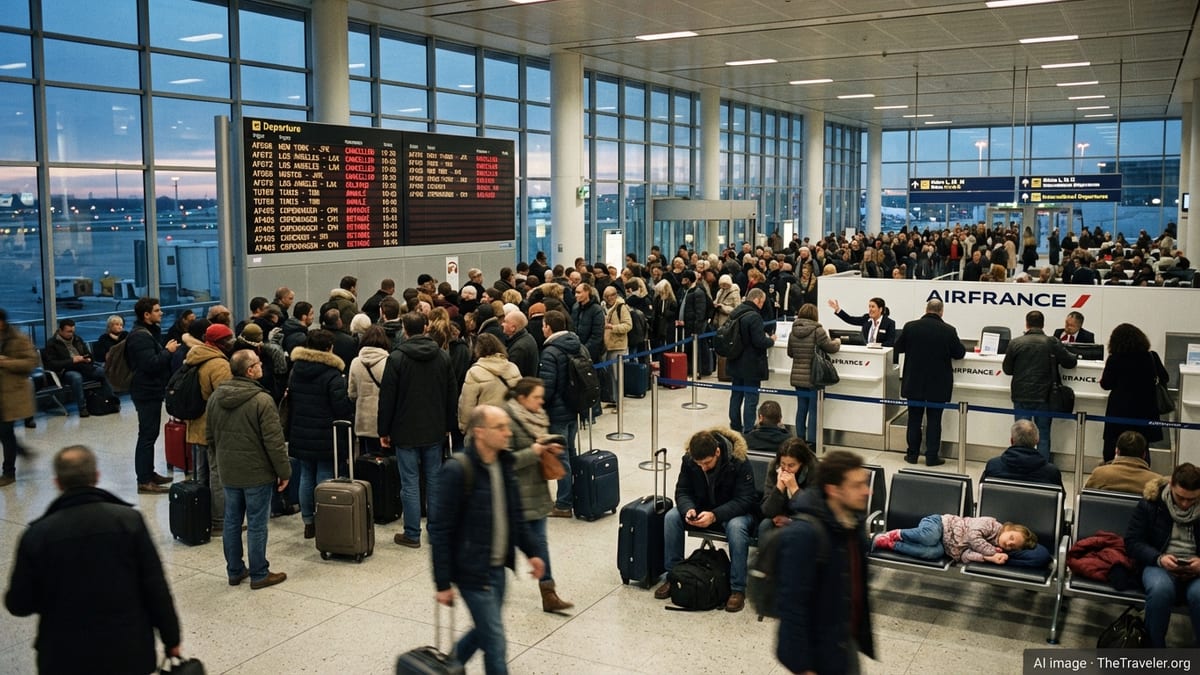
Air travelers across the United States are enduring a second day of severe disruption on Saturday after a rare nationwide ground stop halted flights for hours on Friday, leaving terminals packed, itineraries in disarray and airlines racing to restore normal operations before the end of the weekend.
Get the latest news straight to your inbox!
System Failure Triggers Longest Ground Stop In Decades
According to publicly available information from federal transportation briefings, the Federal Aviation Administration ordered a nationwide halt to departures on Friday after a failure in a key telecommunications link supporting air traffic control communications. The outage disrupted radar data feeds and radio connections between controllers and aircraft, prompting what officials described as an abundance of caution while systems were stabilized.
Analyses in national media report that the stoppage lasted roughly four hours, making it the longest nationwide interruption of U.S. air travel since the aftermath of the September 11, 2001 attacks and a shorter, system related grounding in January 2023. During the peak of the incident on Friday, major hubs including Chicago O’Hare, Atlanta, Dallas Fort Worth, Denver, New York’s LaGuardia and John F. Kennedy, and Los Angeles reported all departures on hold while arriving flights continued to land.
An overview compiled by aviation trackers and news outlets indicates that more than 2,000 flights were canceled on Friday, with several thousand more delayed. The knock on effects extended into Saturday as aircraft and crews remained out of position, leaving airlines to manage rolling schedule changes and tight crew duty limits that complicate rapid recovery.
Federal transportation leaders stated in public remarks on Saturday that there is no indication the outage was caused by a cyberattack. Early explanations instead point to aging telecommunications infrastructure and a failed upgrade involving a router and fiber optic line in the specialized private network that links regional air traffic control centers.
Airlines Cancel Hundreds Of Flights As Recovery Drags
By Saturday morning, data cited in national coverage showed U.S. carriers canceling thousands of flights since the ground stop began, with airline executives warning that disruptions would continue into Sunday. At New York and New Jersey airports, News 12 reporting highlighted continued cancellations at LaGuardia, JFK and Newark Liberty, even after the FAA declared that its systems were back to full operations.
Publicly posted updates from one major low cost carrier indicated that it canceled nearly all remaining domestic departures on Friday evening, preserving only select transatlantic flights from Boston Logan and JFK. Other large airlines reshuffled aircraft and crews overnight, focusing on restoring busy trunk routes while trimming thinner schedules and late night departures.
Industry analysts note that even a few hours without departures can cascade into a multi day recovery because modern airline networks run so tightly scheduled. Aircraft due to operate early morning flights on Saturday often ended Friday stranded far from their next assignments. Flight crews also face regulated duty time limits; after extended delays on the ground or in the air, many crews cannot legally operate additional legs, forcing airlines to wait for reserve staff or fly in replacements.
The FAA Administrator stated in televised comments that airlines expect to be largely back to normal by the end of Sunday, though scattered delays and isolated cancellations are likely to persist into early next week. Travelers booked on tightly timed connections or itineraries through the most affected hubs are being advised by airports and news outlets to monitor airline apps closely and be prepared for rebooking.
Scenes From Airports: Crowded Gates And Overnight Stays
Local coverage from the News 12 networks across New York, New Jersey, Long Island, Brooklyn and Westchester describes crowded concourses and long customer service lines as passengers sought answers and alternatives. Reporters at Newark Liberty International and Westchester County Airport observed families camping out with luggage, business travelers on laptops at gate floors and international passengers trying to rebook complex itineraries after missed connections.
National newsrooms and social media posts point to similar scenes from coast to coast. At Chicago O’Hare and Atlanta, passengers described on public forums being held on aircraft without gate availability as arriving flights stacked up at airports where departures were still frozen. In Denver and other connecting hubs, travelers reported waiting hours at baggage services to retrieve checked luggage after abandoning multi stop journeys that no longer made sense.
With hotels near major hubs filling quickly on Friday night, some travelers turned to overnight airport stays, while others looked for alternate transportation. Amtrak and intercity bus services reported elevated demand as stranded passengers weighed whether to continue their trips by rail or road for journeys between cities such as Washington, Philadelphia, New York and Boston.
Sports fans and teams also felt the impact. National sports coverage noted that the shutdown upended weekend travel plans for college football programs, professional basketball and hockey teams, with several organizations arranging charter adjustments, delaying departures or even altering game logistics as they waited for flight slots to reappear.
East Coast Airports Remain Under Pressure
The New York metropolitan region emerged as one of the hardest hit areas, according to tracking services and regional outlets. News 12 reports from LaGuardia detail long lines at check in counters and security even after the federal ground stop lifted, with passengers for international destinations such as Peru facing rebookings and uncertain departure times. JFK, a crucial transatlantic hub, continued to list numerous cancellations and extended delays through Saturday midday.
Airports in New Jersey and on Long Island issued public advisories warning that, despite the resumption of FAA operations, travelers should expect extended waits and possible cancellations as airlines rebuilt schedules. Some flights began departing on time Saturday morning, but airline notices emphasized that operations remained fragile and subject to rapid change if crews or aircraft were not in place.
Regional airports around the New York suburbs, including Westchester County and smaller facilities on Long Island, became spillover points for rerouted or rescheduled flights. News 12 coverage from these airports highlighted a mix of relieved passengers finally boarding delayed flights and others still attempting to salvage weekend plans after missed connections the previous evening.
Elsewhere along the East Coast, major hubs such as Boston Logan, Washington Reagan National and Charlotte Douglas also reported crowded terminals as airlines prioritized mainline routes along the busy Northeast and Mid Atlantic corridors. The concentration of cancellations in this region meant that even travelers starting their journeys in smaller cities often saw their plans unravel at these connecting points.
What Travelers Need To Know For The Remainder Of The Weekend
Transportation briefings and airline statements on Saturday stress that the national air traffic control system is back online, but that the aftermath of the outage will play out over at least another day. The FAA has indicated that while its communications network is operating normally, it expects airlines to cancel or significantly delay up to 5,000 flights through the end of Saturday as they reposition aircraft and crews.
Airlines are encouraging customers to use digital self service tools, including mobile apps and kiosks, for rebooking where possible, reserving in person customer service for the most complex cases. Travel experts interviewed in News 12 coverage recommend that passengers avoid canceling itineraries on their own before confirming what assistance the airline is offering, because voluntary cancellations can limit eligibility for overnight accommodations, meal vouchers or alternative flights.
Consumer advocates quoted in national analyses emphasize that passenger rights vary depending on the cause of disruption and the specific airline policy. Because the ground stop originated from a federal system failure, some carriers are treating the situation similarly to weather related disruptions, which typically do not trigger mandated compensation. Others are offering waivers for change fees and fare differences for customers willing to shift travel to later in the week.
For those still planning to fly this weekend, public information from airports and carriers consistently advises arriving early, traveling with essential items in carry on bags, and checking flight status repeatedly before heading to the terminal. With schedules still unstable in many markets, even flights listed as on time can shift quickly as the industry works through the unprecedented backlog created by the nationwide halt.