


More news on this day
Malaysia Airlines is preparing to introduce its new Airbus A330neo on services between Kuala Lumpur and Brisbane, restoring a modern widebody link to Queensland and expanding the carrier’s next generation long haul network in Australia.
Get the latest news straight to your inbox!
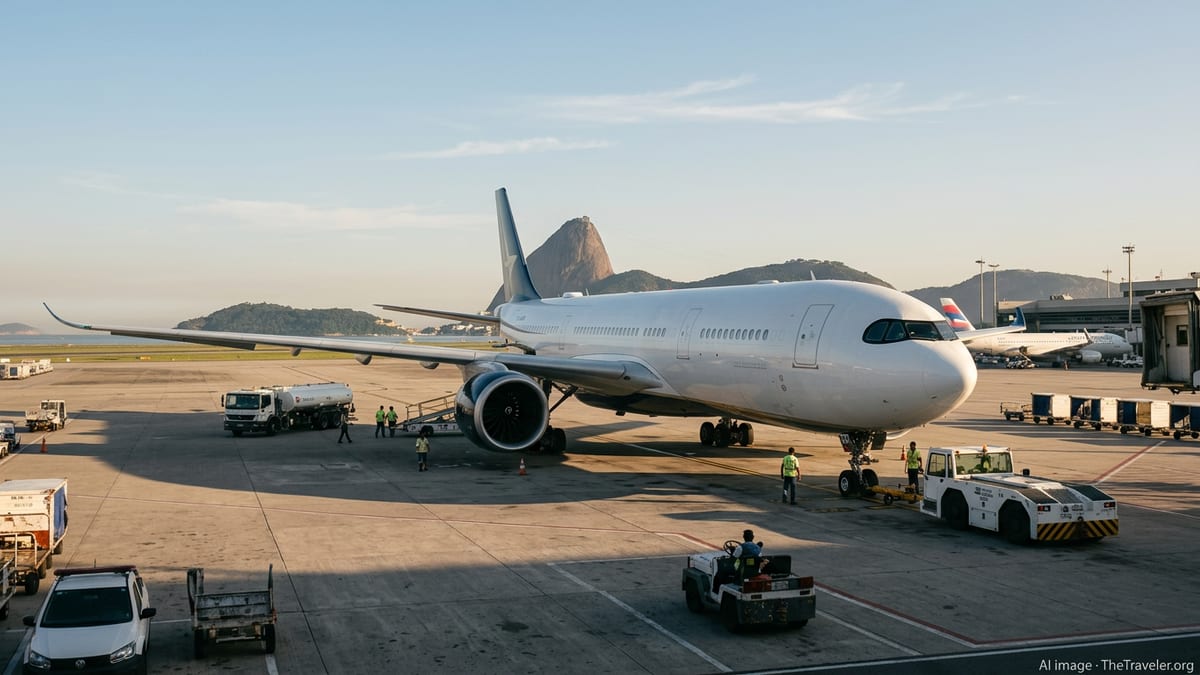
Brisbane Returns to the Malaysia Airlines Widebody Network
Publicly available schedule data and industry reporting indicate that Malaysia Airlines plans to bring the Airbus A330neo onto the Kuala Lumpur to Brisbane route as part of a broader rebuild of its Australian network. The airline has previously confirmed that Brisbane is returning to its list of destinations, with services timetabled to ramp up alongside deliveries of new aircraft. This development marks a notable comeback for the carrier in Queensland after an earlier suspension of flights for commercial reasons.
Brisbane has long been an important gateway for travel between Malaysia and Australia, and the reintroduction of non stop services with the A330neo is expected to strengthen tourism, visiting friends and relatives traffic, and business travel in both directions. The move follows the launch of the A330neo on other key routes, including Melbourne, as the airline phases the type into regular operations on high demand city pairs.
According to published fleet information, Malaysia Airlines is using the A330 900neo to progressively replace older A330 200 and A330 300 aircraft on medium and long haul services across Asia, the Pacific and the Middle East. Deploying the latest generation widebody on Brisbane positions the route within this core strategic network and signals a long term commitment to the market.
The decision to assign the A330neo to Brisbane also aligns with Australian airport operators’ recent efforts to attract more full service, long haul connections with modern aircraft types. The combination of renewed capacity and an upgraded onboard product is expected to sharpen competition on flights between Queensland and Southeast Asia.
Cabin Upgrades Aim to Lift the Passenger Experience
Malaysia Airlines has heavily promoted the A330neo as a step change in passenger comfort, and those features are set to appear on the Brisbane route once the aircraft is deployed. Company publications describe a completely refreshed Business Class cabin featuring Collins Aerospace Elevation suites with all aisle access and privacy doors, creating an individual mini sanctuary for each passenger.
In Economy Class, the airline has outlined plans for new generation seats from Recaro designed with ergonomics and layered foam cushions to improve comfort on longer flights. Wider in flight entertainment screens with 4K resolution, Bluetooth connectivity and a dedicated family friendly mode are part of the overall cabin redesign showcased in the carrier’s in house magazine and marketing material.
The A330neo cabin concept has already attracted industry recognition, with the design receiving an award in a recent onboard hospitality competition. Reports highlight a contemporary interior that incorporates Malaysian songket motifs on panels and textiles, aiming to blend a sense of place with a clean, modern aesthetic.
For Brisbane bound travelers, the combination of a reworked seat layout, larger overhead bins, improved mood lighting and complimentary Wi Fi on selected services is expected to represent a tangible upgrade compared with earlier generation widebody aircraft previously used on the route. These elements are positioned as part of the airline’s push to raise service standards and appeal to premium and leisure customers alike.
Fleet Modernisation Drives Network Strategy
Malaysia Airlines’ decision to bring the A330neo to Brisbane is closely linked to its broader fleet renewal program. Publicly available information shows that the airline confirmed an initial order for Airbus A330neo aircraft in 2022, with additional frames later added to the commitment. The aircraft are scheduled to arrive through the middle of the decade, replacing aging A330 models and supporting growth in key markets.
The airline has stated in previous announcements that the A330neo was selected for its combination of lower fuel burn per seat, improved operating economics and reduced emissions relative to earlier widebodies. The type is being deployed on routes where demand and stage length make fuel efficiency particularly important, including flights linking Kuala Lumpur with major Australian cities.
By assigning the A330neo to Brisbane, Malaysia Airlines is effectively using its newest aircraft to reinforce a route that had previously seen service cuts. This reinforces the carrier’s aim to concentrate modern capacity on strategic long haul corridors, while aligning network decisions with sustainability and cost efficiency goals.
Industry analysts note that modern widebody aircraft such as the A330neo can open additional scheduling and revenue opportunities. Improved range and performance provide flexibility for redeploying aircraft seasonally across Asia Pacific markets, while the cabin product can be marketed consistently across multiple destinations, including Brisbane.
Competitive Implications for the Australia–Asia Market
The introduction of Malaysia Airlines’ A330neo to Brisbane comes at a time of intense competition on routes between Australia and Asia. Carriers based in Southeast Asia, the Gulf and North Asia are all rebuilding capacity and refreshing fleets after several years of disruption, putting pressure on airlines to differentiate through onboard product and schedule choice.
For travelers in Queensland, the arrival of the A330neo is likely to be viewed as a welcome enhancement to one stop connectivity into Southeast Asia and beyond. Kuala Lumpur acts as a hub for onward flights across Malaysia, wider Asia and parts of Europe, and a modern widebody on the Brisbane link may encourage passengers who value cabin comfort and seamless transfers.
From a competitive standpoint, the move may spur rival airlines operating from Brisbane to review their own product offerings and capacity on overlapping markets. The presence of a refreshed long haul cabin with privacy focused Business Class and upgraded Economy seating raises the bar for comfort on the sector, particularly for frequent flyers choosing between multiple one stop options to Asia.
Tourism and aviation observers will be watching load factors and fare trends closely once the A330neo beds in on the route. If the combination of improved product and restored capacity stimulates demand as anticipated, it could encourage further frequency increases or additional network announcements involving Queensland in the coming years.
What Travelers Can Expect on the New Service
As Malaysia Airlines brings the A330neo into Brisbane, passengers can expect a travel experience that reflects the airline’s latest hardware and service investments. Business Class customers will have access to fully flat beds, increased personal storage and sliding doors that create a more private environment for working or resting.
Economy Class travelers are set to benefit from redesigned seats intended to maximise knee and legroom within the cabin’s overall space constraints. Enhanced in flight entertainment, power outlets at every seat and expanded Wi Fi availability are aimed at making the eight to nine hour sector between Kuala Lumpur and Brisbane more comfortable and productive.
The airline’s published material also highlights refinements to inflight dining and snack options, including self service areas in Business Class on selected flights and updated menus inspired by Malaysian cuisine. These features are expected to appear progressively as A330neo operations expand across the network, including on services to and from Brisbane.
With Brisbane joining Melbourne and other cities in welcoming the A330neo, Malaysia Airlines is signalling that Australia will remain central to its long haul strategy. For travelers, the deployment of the new aircraft type on the Kuala Lumpur to Brisbane route promises a noticeably more modern onboard environment and a renewed full service alternative on one of Queensland’s key international links.