


More news on this day
Malaysia Airlines is extending mandatory drug screening to cabin crew after a company pilot was arrested in Indonesia on suspicion of attempting to smuggle tens of thousands of ecstasy pills into the country, intensifying scrutiny of safety and security practices across the region’s aviation sector.
Get the latest news straight to your inbox!
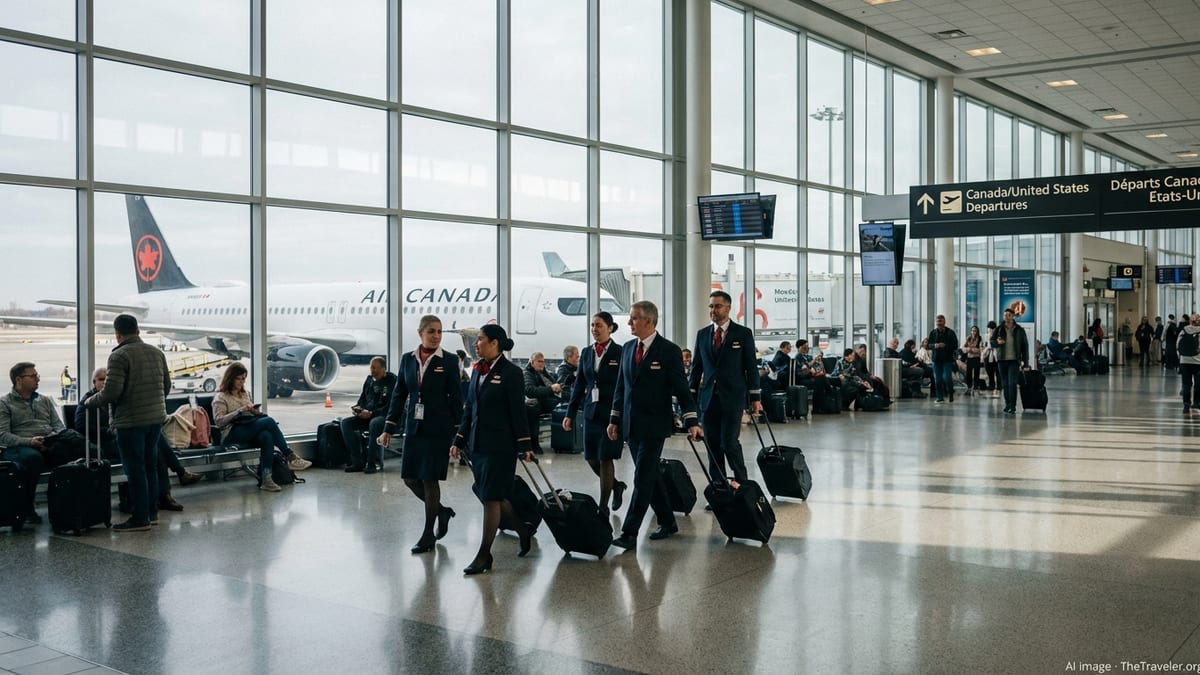
Expanded testing follows high profile Jakarta arrest
Published coverage indicates that a Malaysia Airlines pilot was detained at Soekarno Hatta International Airport near Jakarta in late July after Indonesian customs officers allegedly discovered more than 70,000 ecstasy tablets in his luggage. Local reports describe the haul as weighing around 25 to 26 kilograms, with the pilot also reportedly returning a positive urine test for multiple narcotics.
The incident has drawn wide attention in both Malaysia and Indonesia because the pilot had just operated a scheduled Malaysia Airlines flight from Kuala Lumpur to Jakarta before his arrest. Under Indonesian law, large scale drug trafficking can carry penalties ranging from lengthy imprisonment to the death sentence, placing the case in the most serious category of narcotics offences.
According to open reporting, investigators in Malaysia have since examined how the drugs passed through security screening at Kuala Lumpur International Airport, including reviewing closed circuit television footage and the performance of recently installed artificial intelligence assisted baggage scanners. Aviation and border control agencies in both countries have been coordinating their inquiries, with particular focus on any potential links to wider trafficking networks.
The case has also revived public debate about whether existing oversight of airline crew, including pilots and flight attendants, is sufficient to deter and detect drug abuse or smuggling attempts, especially in jurisdictions where penalties for narcotics offences are extremely severe.
Malaysia Airlines widens scope of mass drug screening
In the wake of the Jakarta arrest, Malaysia Airlines has moved to expand its internal drug screening program, shifting from a focus on flight crew to a broader sweep that now includes cabin crew. Publicly available information shows that the carrier launched mass testing of its pilots in early August, with the company later confirming that all those initial tests returned negative results.
The airline is now applying the same approach to cabin crew, introducing large scale, mandatory screening intended to cover staff who interact directly with passengers on board. Reports indicate that this expansion is designed to demonstrate compliance with regulatory expectations and to reassure travelers that both cockpit and cabin personnel are subject to rigorous checks.
Malaysia Airlines has historically required medical fitness assessments and periodic drug testing in line with civil aviation regulations. The new measures appear to build on those rules by increasing both the frequency and scope of screening and by emphasizing random, unannounced tests across a wider group of employees.
Aviation commentators in local media have framed the policy change as part of a broader risk management strategy, noting that for a national flag carrier, the reputational impact of a single high profile case can be far reaching, particularly when it occurs at a time of intense competition for regional travel demand.
Regulators and border agencies tighten scrutiny
The pilot’s detention has prompted closer examination of how airline crew are screened at airports, especially when using dedicated staff lanes that can be subject to more streamlined checks than those applied to regular passengers. Reports from Indonesia describe customs officials increasing the use of targeted secondary inspections for crew members arriving from certain routes considered high risk for narcotics trafficking.
In Malaysia, publicly available statements from security agencies describe ongoing efforts to review and, where necessary, strengthen baggage and personnel screening at Kuala Lumpur International Airport. Officials have referred to the use of advanced scanners and artificial intelligence tools, while also acknowledging the need to examine procedural and human factors that could allow contraband to slip through.
Regional aviation regulations already require airlines to implement drug and alcohol policies for safety sensitive staff, but enforcement practices can vary from one jurisdiction to another. Analysts point out that the latest case may push regulators to look more closely at how airlines document their testing regimes, how results are reported, and what follow up actions are taken when a crew member fails a test.
The episode is also feeding into wider regional concerns about cross border drug trafficking, with law enforcement officials in Southeast Asia frequently highlighting the area’s role as both a production center and a transit corridor for synthetic narcotics bound for major consumer markets.
Implications for passenger confidence and regional aviation
The Malaysia Airlines case has emerged at a time when Southeast Asian carriers are vying to capture a resurgence in international travel. Industry observers suggest that any perception of lax oversight of flight or cabin crew can have immediate implications for passenger confidence, particularly when safety and security are among the main factors travelers weigh when comparing airlines.
Public reaction in Malaysia has included concern over how a serving pilot could allegedly become involved in high volume drug trafficking, and questions about whether existing monitoring and welfare systems for airline staff are robust enough to identify problems earlier. Travel industry analysts note that reputational damage can be mitigated when airlines respond quickly with visible corrective measures, such as expanded testing and transparent cooperation with investigations.
For travelers, the practical outcome in the near term may include more frequent visible checks of crew luggage at departure and arrival airports, as well as stricter enforcement of crew identification and access controls in restricted zones. While such steps are primarily aimed at deterring insider threats and narcotics smuggling, they can also be presented as part of a broader commitment to passenger safety and regulatory compliance.
The episode is likely to remain a reference point in regional discussions about aviation security and staff conduct, especially if courts in Indonesia eventually hand down a high profile verdict. For Malaysia Airlines, sustaining enhanced drug screening and reinforcing an internal culture of zero tolerance will be central to rebuilding trust among international travelers and industry partners.
Wider trend of drug related cases involving air crew
The Jakarta arrest has drawn attention to a series of drug related incidents involving air crew in Asia over the past decade. Academic and policy studies on aviation safety in Indonesia and neighboring countries highlight cases where pilots or cabin crew employed by various airlines have been implicated in narcotics use or trafficking, prompting calls for stricter enforcement of existing rules.
According to this body of research, regulators in Indonesia have previously instructed airlines to intensify drug testing for both cockpit and cabin crew after several high profile arrests, including cases involving domestic low cost carriers. Those measures were aimed at ensuring that operators regularly test employees in safety critical roles and maintain clear records for inspection.
The Malaysia Airlines case now places a similar spotlight on cross border enforcement and on how different jurisdictions share information when airline staff are suspected of narcotics offences. Observers note that as carriers expand networks across Southeast Asia, consistent standards for crew screening and cooperation between national authorities become increasingly important for maintaining public confidence.
For the aviation industry, the latest developments underscore that reputational risks linked to staff misconduct are no longer confined to operational safety issues such as training or maintenance, but extend to questions of integrity and compliance in areas like drug control, border security, and criminal law.