


More news on this day
Newly updated government travel advisories are warning of a heightened risk of further attacks across parts of the Middle East, underscoring a volatile security environment that could disrupt air travel and affect tourism through the peak summer season.
Get the latest news straight to your inbox!
Fresh Warnings Follow Regional Strikes
Recent updates to official travel advice for several Gulf destinations highlight a deteriorating security picture, particularly following a series of strikes and retaliatory attacks attributed to Iran and aligned groups across the region. Publicly available government guidance notes that military and civilian infrastructure linked to the United States and its partners has been targeted in multiple locations, raising concern that the pattern of violence may continue.
One widely cited advisory for Gulf destinations states that since early July there have been attacks in a number of locations, and that there is a risk of more attacks and unforeseen escalation in the region. The wording reflects a shift from generic caution to a more pointed warning about potential follow-on strikes, including in areas that are otherwise marketed as stable transit and tourism hubs.
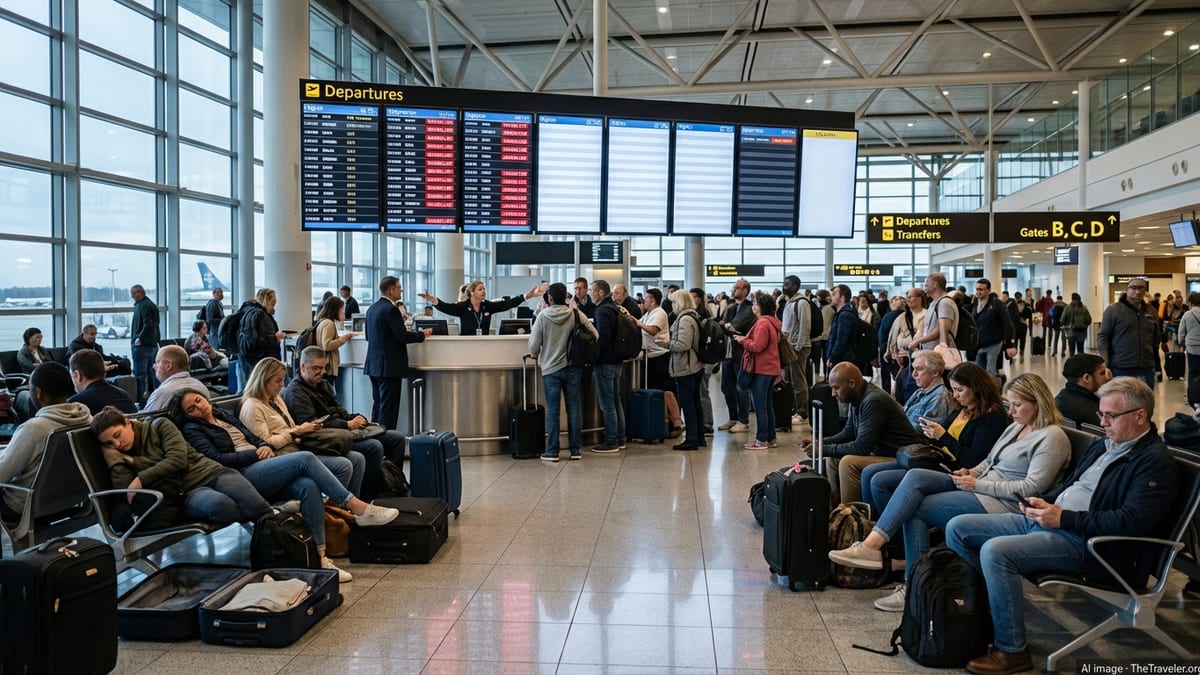
These developments are feeding into broader regional anxiety at a time when many travelers, including those from Europe and North America, traditionally route long-haul flights through Middle Eastern hubs. Flight paths and airport operations are under closer scrutiny, as airlines weigh safety, insurance requirements, and airspace restrictions against strong demand for international connections.
For travelers, the emerging picture is one of elevated but uneven risk. Some coastal resort and business centers continue to operate close to normal, while nearby areas face increased military activity and the possibility of missile or drone incidents that could alter travel plans with little notice.
Impact on Key Gulf and Middle East Gateways
Recent travel advice highlights Saudi Arabia and the United Arab Emirates among the locations most directly referenced in connection with the new warnings. Government guidance for these countries now underlines the potential for additional attacks linked to regional tensions, even as major cities continue to function as global aviation and business hubs.
In the case of the United Arab Emirates, publicly available information notes the risk that further strikes and retaliatory actions in the wider region could have knock-on effects, including possible airspace closures or diversions. Travelers are being told to stay alert to announcements from airlines and local authorities, and to recognize that flight delays, rerouting, or cancellations may occur at short notice.
Saudi Arabia, which hosts both important religious tourism flows and key energy infrastructure, appears in several advisories that flag ongoing security concerns near borders and in areas linked to regional military activity. While major visitor destinations such as Riyadh and Jeddah have not been singled out as immediate targets, the broader warning about the risk of more attacks in the region has raised questions about how quickly conditions could change.
Neighboring states, including Iraq, Kuwait, and Yemen, remain under some of the most restrictive advice, with multiple governments maintaining their strongest warnings against travel due to terrorism, armed conflict, and the possibility of cross-border attacks. Updated global caution notices from consular services also stress that incidents in one country can have ripple effects on airports and tourism flows across the Middle East.
What Travelers Are Being Urged to Do Now
Across the latest advisories, a consistent theme is that trips to or through the region require closer monitoring and greater flexibility than usual. Public guidance encourages travelers to check the specific advisory level and detailed country information before booking, and again shortly before departure, since security conditions may shift quickly.
Travelers are advised to prepare for contingencies such as last-minute schedule changes, temporary airport closures, and restrictions on certain flight routes. Some official guidance recommends having alternative travel plans, emergency funds, and flexible tickets where possible, especially for itineraries that rely on single-connection hubs in the Gulf.
Another repeated recommendation is to follow local news and airport notices closely while in the region, with particular attention to any reports of missile or drone activity, protests, or military escalations. Travelers are also encouraged to pay attention to guidance on avoiding high-profile locations that might be more vulnerable to attack, such as certain government sites or installations associated with foreign forces.
Consular services continue to promote registration schemes that allow travelers to receive security updates and make contact more easily in an emergency. While such tools cannot eliminate risk, officials present them as a practical step for those who choose to proceed with travel despite the elevated threat environment.
Tourism Industry Braces for Volatility
The tourism and aviation industries are now weighing how the renewed risk language will affect visitor confidence. Airlines with major operations in the Gulf have already experienced periodic rerouting and schedule changes in recent months, particularly when hostilities prompted temporary adjustments to overflight permissions or raised concerns about the safety of specific flight corridors.
Hotels and tour operators in regional hubs are monitoring booking patterns for signs of hesitation from key markets. While many travelers continue to view cities such as Dubai, Abu Dhabi, Doha, and coastal parts of Saudi Arabia as relatively secure, heightened media attention to the possibility of more attacks in the wider region may lead some to delay or reconsider trips.
Industry analysts note that the Middle East has demonstrated resilience to past periods of tension, often rebounding quickly once security concerns ease. However, the present round of warnings is unusual in its explicit focus on the risk of further attacks and unforeseen escalation, rather than only referencing historic incidents or general terrorism concerns.
The result may be a more fragmented recovery pattern, with some destinations continuing to grow even as others see a pause or decline in visitor numbers. Much will depend on whether the current incidents remain limited in scope or expand into a sustained campaign that directly affects major air routes or tourism hotspots.
Planning a Trip Amid Elevated Risk
For travelers who decide to move ahead with plans in the coming weeks, experts in travel security emphasize preparation, flexibility, and awareness. This includes selecting airlines and itineraries that offer multiple daily flights on key routes, choosing accommodation with clear safety protocols, and building extra time into connections in case of disruption.
Insurance has also taken on greater importance. Policy details vary, and some standard packages may not cover disruptions linked to war, terrorism, or government advisories. Travelers are being encouraged to review coverage carefully and, if necessary, seek policies that explicitly address security-related cancellations or diversions.
On the ground, practical steps such as keeping copies of travel documents, maintaining charged communication devices, and knowing basic emergency procedures in hotels and airports can add an extra layer of resilience. Publicly available safety guidance suggests minimizing time spent in crowded public areas of transport hubs and remaining alert to exits and security screening points.
As the situation evolves, the core message from official advisories remains cautious but measured. Travel to and through parts of the Middle East is still possible and, in many places, operating close to normal. At the same time, the explicit warning about the risk of more attacks in the region means that those journeys now require a higher level of situational awareness than many leisure travelers may be used to applying.