


More news on this day
Dozens of Ryanair passengers at Athens International Airport have reported being left stranded overnight after prolonged boarding delays and gate disruptions, in an incident that is renewing scrutiny of how Europe’s busiest low cost carrier and regional airports handle cascading schedule problems.
Get the latest news straight to your inbox!
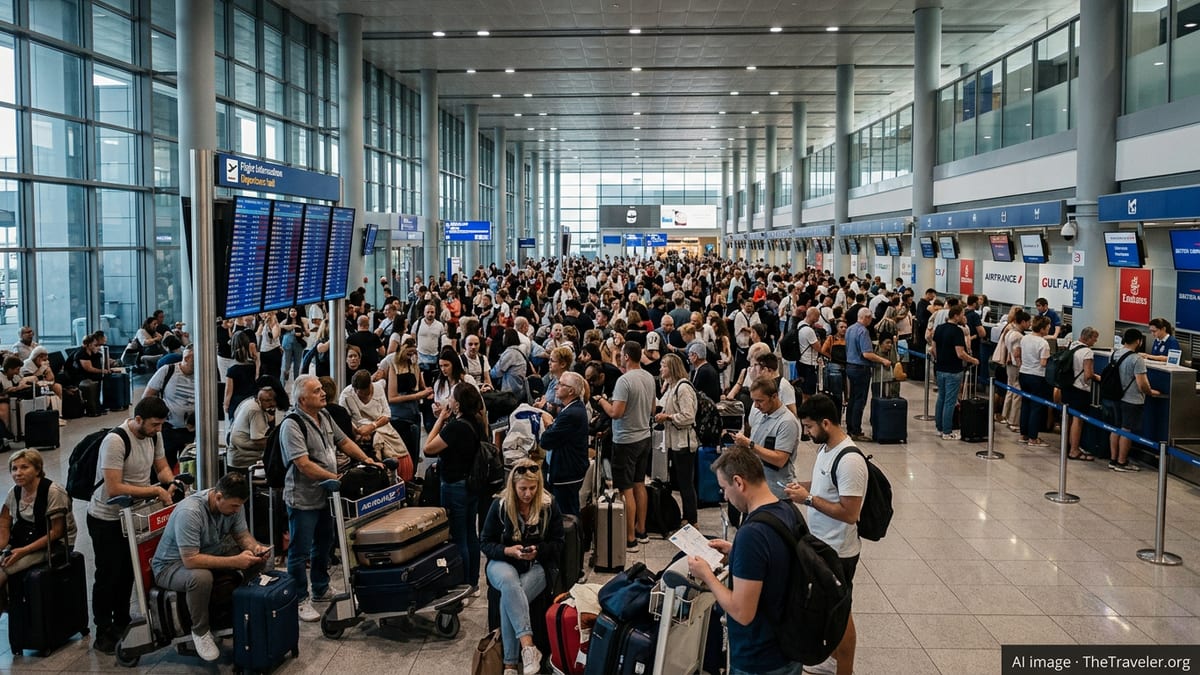
Confusion at the Gate Leaves Travelers Overnight in Athens
According to publicly available accounts from travelers and aviation forums, the disruption began when a Ryanair departure from Athens experienced repeated boarding holds, with passengers called to the gate, lined up for boarding, and then halted as staff awaited clearance to proceed. Some reports indicate that the inbound aircraft itself had already arrived, but boarding was repeatedly paused while airport processes, including document checks and stand allocation, were resolved.
As the holds continued, the flight’s scheduled departure time passed, and boarding deadlines grew tighter. Passengers describe being kept in the gate area with limited information about whether the flight would operate, be rerouted or cancelled. Several accounts state that boarding eventually closed abruptly, with a portion of ticketed travelers denied access to the aircraft because the operating window for departure had expired.
With no later evening departure on the same route, many travelers say they were left to arrange hotels and onward connections on their own. Others reported queuing at airport service desks late into the night to seek rebooking options, food vouchers or written confirmations documenting the delay and denial of boarding.
Part of a Wider Pattern of Stranded Ryanair Passengers
The Athens incident comes amid a series of recent Ryanair disruptions around Europe in which passengers have been left behind after complex boarding delays. In France this spring, flights to Morocco departed with large numbers of ticketed passengers still on the ground after lengthy bottlenecks at border control, leaving travelers stranded overnight and forcing last minute hotel and rebooking arrangements.
Coverage of those earlier cases highlighted how a combination of airport staffing shortages, new border procedures and tight turnarounds for low cost carriers can create situations where aircraft depart with many empty seats while passengers watch from the terminal. Ryanair has previously pointed to airport-run security and immigration processes as factors outside the airline’s direct control when flights leave with passengers unboarded.
In Greece, passengers posting about the Athens disruption referenced similar themes, including long queues at checkpoints and holding areas that left little margin for boarding once the flight was finally cleared for departure. The incident has fed into a broader public debate about whether airport and airline contingency plans are adequate when multiple delays converge on a single departure.
Passenger Rights Under EU Rules After Boarding Delays
The Athens case is also rekindling discussion about what protections travelers have when they are stranded after boarding delays, particularly under the European Union’s air passenger rights framework. Under EU rules, travelers on flights departing an EU airport may be entitled to compensation, reimbursement, rerouting and care such as meals and hotel accommodation if they experience long delays, cancellations or denied boarding.
Eligibility, however, depends on the exact cause of the disruption. If delays stem from factors considered outside an airline’s control, such as certain types of security interventions, severe weather or air traffic control problems, financial compensation may not apply. Even in those situations, passengers can still have a right to assistance, including refreshments and accommodation, when they are left waiting for long periods or forced to stay overnight.
Consumer advocates say incidents like the one reported in Athens underline the importance of passengers keeping boarding passes, gate notifications and any written correspondence from airlines and airports. Those records can help clarify whether they were formally denied boarding, affected by a cancellation, or caught up in a series of airport-side delays, each of which may trigger different entitlements under EU regulation.
Operational Pressures at Athens and Across Europe
The Athens disruption is unfolding as European airports brace for a peak summer season expected to push infrastructure and staffing to their limits. Recent coverage of delays at other European hubs has described long queues for security and passport checks, as well as industrial actions that have slowed check in and boarding for multiple carriers, including low cost airlines.
Athens International Airport is a significant base for budget carriers connecting Greece with destinations across the continent. Industry observers note that the low cost model depends on quick turnarounds and tightly sequenced rotations, meaning that even relatively short ground delays can quickly cascade into missed slots and cancelled or curtailed services later in the day.
Reports from the Athens case suggest that passengers faced not just a single delay but a chain of small setbacks, from stand changes to extended document checks, that together consumed the available boarding window. When departure slots are missed, airlines can be forced to choose between cancelling a flight entirely or operating it in a way that protects subsequent rotations, decisions that can leave travelers stranded despite aircraft still being available.
Calls for Clearer Communication and Better Contingency Planning
While details of the Athens incident continue to emerge through traveler accounts, it has already prompted renewed calls from passenger groups and travel commentators for clearer real time communication when boarding is delayed. Travelers affected in recent Ryanair cases across Europe have repeatedly cited a lack of timely updates about whether flights would actually depart, and what arrangements would be made if they did not.
Analysts argue that providing early, candid information about likely outcomes could help passengers make more informed decisions about accommodation, connections and alternative routes, rather than waiting until late at night to learn that a plane has departed or a flight has been cancelled. They also highlight the need for more robust coordination between airlines and airport authorities when gate holds are linked to security or border processing delays.
For now, passengers involved in the Athens disruption are understood to be pursuing clarifications on their rights, including the possibility of refunds, rerouting or reimbursement of extra costs linked to accommodation and onward travel. The episode adds to mounting pressure on airlines and airports to show that, even when schedules unravel, stranded travelers are not left to navigate the consequences alone.