


More news on this day
Thailand has issued fresh warnings to its citizens living and working in the Middle East, urging them to avoid high risk areas, stay in close contact with embassies and be ready to move quickly if security conditions deteriorate further amid escalating regional tensions.
Get the latest news straight to your inbox!
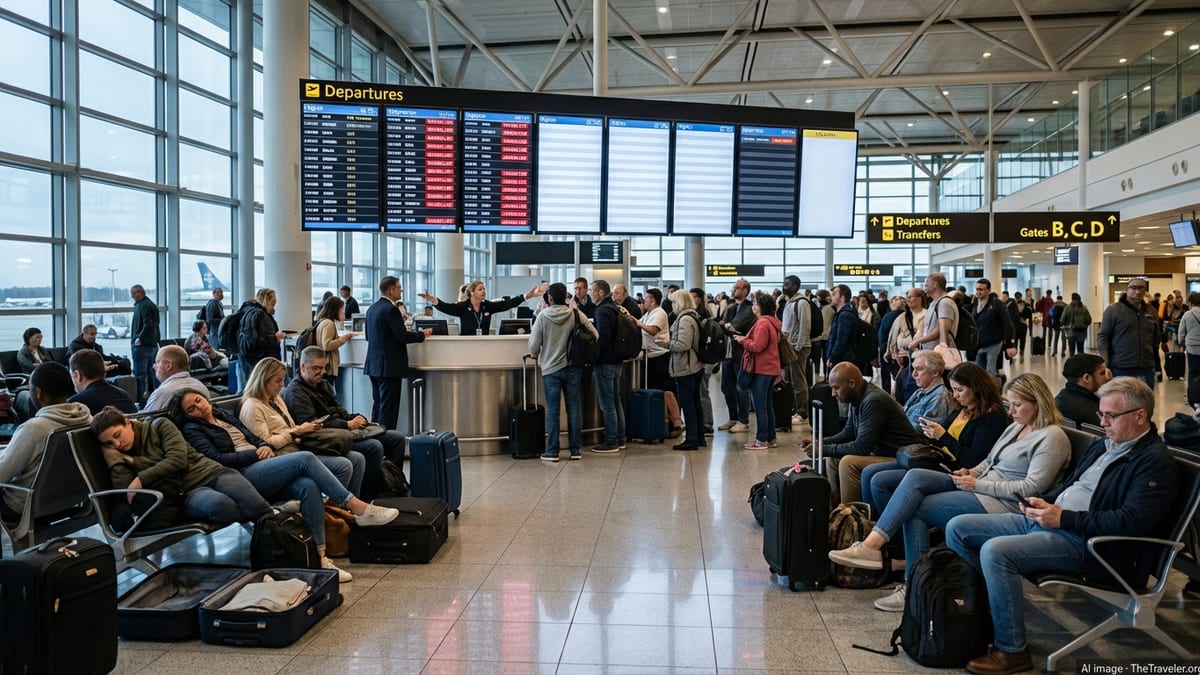
Heightened alerts as regional conflict deepens
Publicly available information from Thai broadcasters and regional analysts indicates that Bangkok has been tightening its posture toward the Middle East since early 2026, as confrontation involving Iran, Israel and allied forces has intensified and raised the risk of a wider war across the region.
Recent Thai language news coverage describes a series of warnings from the Ministry of Foreign Affairs advising Thai nationals in countries such as Iran, Israel, Lebanon and nearby Gulf states to closely monitor local developments, avoid protest sites and border areas, and prepare essential documents in case rapid relocation or evacuation becomes necessary.
Reports from March and April describe the establishment of special monitoring cells or so called war rooms inside the Thai foreign ministry to track rocket attacks, airstrikes and disruptions to civilian aviation, while also mapping the locations of Thai workers and students scattered across key Middle Eastern hubs.
The renewed alerts build on earlier statements in which Thailand expressed deep concern over expanding hostilities in Israel and Gaza and later across a broader arc of the Middle East, stressing the humanitarian impact on civilians and calling on all parties to exercise maximum restraint.
Thai workers and tourists weigh their options
The Middle East has long been a destination for Thai migrant workers in sectors such as construction, agriculture and domestic service, as well as a stopover region for tourists transiting through major aviation hubs. The new round of warnings has placed many of these travelers and workers in a difficult position as they balance economic need with growing security anxieties.
Coverage in Thai television bulletins and regional think tank reports suggests that officials are encouraging Thai nationals to register with nearby embassies or consulates if they have not yet done so, and to keep copies of passports and work permits ready in both physical and digital form. Some employers in higher risk areas have reportedly been asked to coordinate contingency transport if violence escalates in specific cities or border regions.
At the same time, international travel forums and local media commentary indicate that many Thai citizens who recently arrived in safer Gulf states or who hold long term work contracts are reluctant to leave unless commercial flights are curtailed or local authorities impose movement restrictions. For now, the guidance from Bangkok emphasizes vigilance and preparedness rather than an across the board order to depart.
For leisure travelers, the warnings underline the importance of checking airline policies, insurance coverage for conflict related disruption and the latest advisories before transiting through airports that might be affected by missile attacks or airspace closures linked to the regional standoff.
Energy security and ripple effects on Thailand’s economy
Beyond the immediate safety of its citizens overseas, Thailand is also contending with the economic fallout of heightened Middle East tensions. Analytical briefs from regional research institutes and economic summaries from Thai media highlight a recurring concern: the country’s heavy reliance on crude imports that transit through or originate in the Gulf.
Energy policy documents and recent commentary describe how even limited conflict that disrupts shipping lanes or pushes benchmark oil prices higher can quickly feed through to Thailand’s domestic fuel costs. Officials in Bangkok have been using strategic reserves and refinery level price adjustments to ease pressure on diesel and gasoline, while repeatedly citing Middle East instability as a key risk factor for the Thai economy in 2026.
Travel industry observers note that more expensive fuel has already contributed to higher airfares, particularly on long haul routes that skirt or cross Middle Eastern airspace. While Thailand remains open and widely viewed as a relatively safe destination, volatility in global energy markets linked to the Iran centered conflict is adding an extra layer of uncertainty for airlines, tour operators and independent travelers.
Business groups and tourism analysts are also watching for potential shifts in visitor flows if the conflict deepens, with some suggesting that Thailand could again see a rise in arrivals from travelers seeking a perceived safe haven in Asia, even as outbound workers and Thai expatriates in the Middle East face more turbulent conditions.
Consular preparedness and evacuation planning
Think tank assessments and diplomatic reporting from the wider region show that Thailand is moving in step with many Asian governments that have quietly updated evacuation plans for citizens in high risk Middle Eastern countries. In practical terms, this involves mapping concentrations of nationals, pre negotiating charter flight options and coordinating with partner states on potential air and land corridors should commercial routes be interrupted.
Published summaries of regional responses to the Iran related conflict indicate that Thailand has joined calls for de escalation while also signaling that it stands ready to assist its nationals if fighting intensifies near major population centers where Thai workers live. The foreign ministry has publicized emergency contact numbers and advised families in Thailand to remain in touch with relatives abroad but to rely on official channels and reputable news outlets for updates.
Security analysts point out that previous crises in the Middle East, including sudden escalations in the Gulf and earlier conflicts in Israel and Gaza, have already provided Thai authorities with experience in organizing ad hoc evacuation flights and temporary shelters. The current situation is viewed as more complex because of the broader regional spread of military activity, which requires more flexible and frequently updated contingency planning.
For Thai citizens abroad, the practical takeaway from these preparations is that consular assistance is likely to be available, but may depend on swift communication, personal readiness and the ability to move at short notice if local conditions deteriorate.
What travelers should do now
For those currently in the Middle East or planning to transit through the region, Thailand’s latest guidance, as reflected in public advisories and local media coverage, centers on three main themes: stay informed, stay connected and stay prepared. Travelers are urged to track both local news and official alerts, as flight patterns, curfews and ground transport options can shift quickly following new strikes or retaliatory attacks.
Citizens are also encouraged to ensure that mobile phones remain charged, that key contact numbers for Thai embassies and consulates are saved offline, and that family members at home are aware of planned itineraries. Independent travel experts suggest keeping a small emergency bag with essential medications, copies of documents and basic supplies in case of sudden relocations or extended waits at airports.
While there is no indication at present of a blanket evacuation order across the Middle East, the tone of recent Thai advisories reflects a clear expectation that conditions could worsen with little warning. For travelers and expatriate workers alike, prudent preparation and close attention to official updates have become an essential part of navigating the region as tensions continue to rise.