


More news on this day
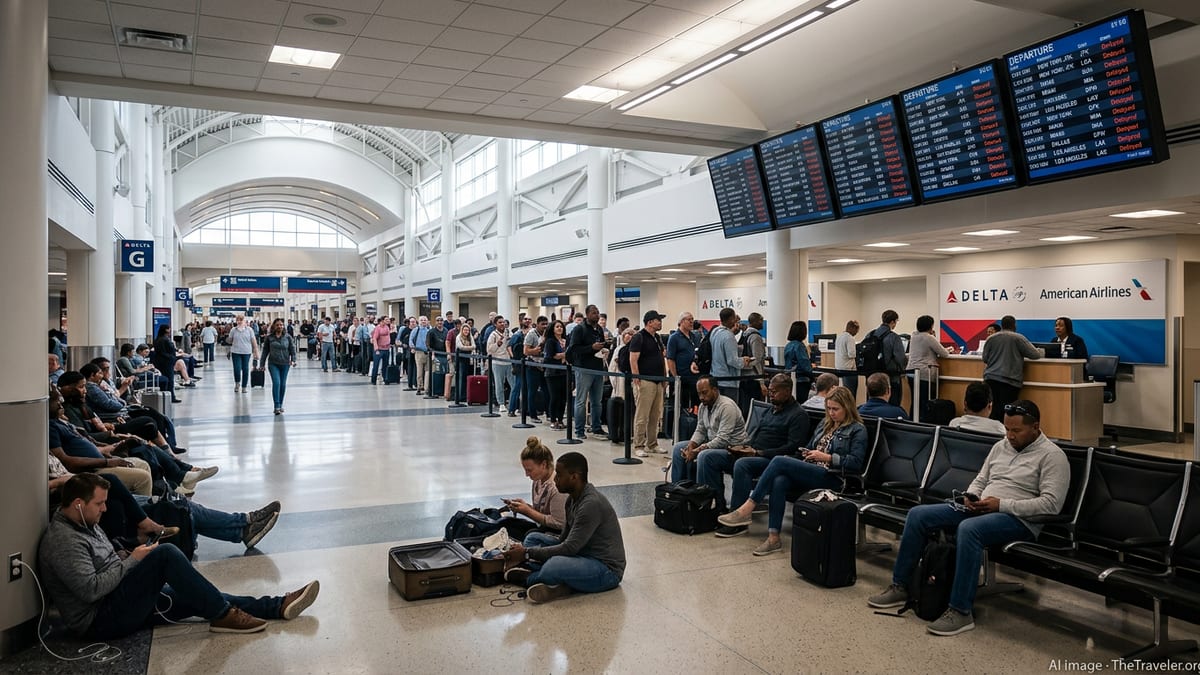
Thousands of passengers moving through Hartsfield-Jackson Atlanta International Airport on June 17 faced a new wave of delays and rolling disruptions, with crowded concourses, long security lines and missed connections underscoring how vulnerable the world’s busiest hub remains to weather and staffing strains.
Get the latest news straight to your inbox!
Stormy Skies and a Fragile Flight Network
Recent thunderstorms across the Southeast, combined with unsettled weather patterns moving through major Midwestern hubs, have once again exposed how quickly operations at Atlanta can unravel. Flight-tracking data and published coverage show rolling ground stops and flow-control measures affecting arrivals into the city, slowing traffic even when flights are not formally canceled.
Even modest storms over the airport or along key approach routes can trigger extensive delays because of the volume of aircraft that depend on Atlanta’s runways and taxiways. Aviation analyses regularly note that a short disruption at the hub can lead to hours of knock-on delays across the country as airlines struggle to reset aircraft and crews.
Reports from recent weeks describe days when hundreds of flights into and out of Atlanta were delayed or canceled after severe systems passed through the Midwest and East Coast, with Atlanta absorbing diverted aircraft and late-arriving connections. Passengers today are experiencing similar ripple effects, with schedules tightening in the afternoon and evening peaks as thunderstorms flare along heavily used corridors.
Weather forecasts around the airport continue to indicate periods of showers and thunderstorms, suggesting that operations may remain choppy. Travelers connecting through Atlanta are being urged in public advisories and airline communications to monitor their flight status closely and build extra time into itineraries.
Stranded Passengers Face Long Lines and Limited Options
Inside the terminals, travelers describe scenes of crowded gate areas, rolling departure-time changes and baggage carousels working through backlogs as delayed flights finally arrive. Recent first-hand accounts shared on public forums depict passengers sleeping in concourses, waiting hours in customer-service lines and scrambling to rebook as seats on later departures fill quickly.
Atlanta’s role as a primary hub for several major domestic and international carriers means that a delay on one leg can strand customers far from their final destination. Missed connections often cascade into overnight stays when the last flights of the day depart full. In some cases, travelers report renting cars to complete the final leg of their journeys when rebooking options prove scarce.
Published coverage on crowding at Atlanta earlier this year highlighted inconsistent security wait times that ranged from minutes to hours, depending on the time of day and staffing levels. On disruption days like today, those lines can lengthen quickly as delayed travelers arrive at the same time and early passengers show up ahead of schedule in anticipation of further problems.
Social media posts and online tracking tools show that families, business travelers and international visitors are all being caught up in the latest operational crunch. While many flights are still departing, the uneven pace of the schedule is creating pockets of intense congestion across the airport.
Operational Strain at the World’s Busiest Hub
Hartsfield-Jackson has long held the title of the world’s busiest airport by passenger numbers, handling well over 90 million travelers a year in recent periods. That scale allows airlines to offer frequent connections and an extensive route network, but it also magnifies the impact when problems arise.
Recent federal consumer reports on air travel performance show that delays and cancellations remain a prominent concern nationally, with weather, congested airspace and staffing shortages combining to test airline and airport systems. Industry observers note that major hubs like Atlanta sit at the center of this pressure, because any disruption reverberates through multiple downstream flights.
Atlanta’s airport has updated its tarmac delay and irregular-operations contingency plans in the past year, outlining how it intends to manage aircraft queues, provide basic services to passengers on board and coordinate with airlines during large-scale disruptions. Those measures are designed to reduce extreme cases of passengers stuck on aircraft for extended periods, but they do not prevent long waits in terminals when the daily schedule falls behind.
Even on routine days, airlines and airport partners in Atlanta manage tight turn times for aircraft, high baggage volumes and dense banked departure waves. When storms or air-traffic restrictions compress these banks, the system has limited slack, and passengers can quickly feel the effects in the form of missed connections and crowded customer-service desks.
Airlines Adjust Schedules and Scramble to Recover
In response to the latest disruptions, carriers using Atlanta as a hub have been adjusting departure times, consolidating lightly booked flights and, in some cases, proactively trimming schedules to create more buffer. Publicly available flight-status boards show clusters of delays concentrated in late afternoon and evening departures, particularly on routes that intersect with storm-affected regions.
Over the past several months, airlines operating at Atlanta have also promoted same-day change options, mobile rebooking tools and standby lists to help spread passengers more evenly across available flights during irregular operations. These measures can ease some pressure on airport counters, but they often require tech-savvy travelers and can leave less frequent flyers confused about their options.
Industry coverage has pointed to growing tension between aggressive scheduling designed to maximize aircraft utilization and the need for resilience when weather or staffing falls short. At a high-volume hub like Atlanta, that tension is visible on days like today, when airlines are working flight by flight to restore order to a disrupted network.
For crew schedulers and airport operations teams, recovery can last well into the next day, as aircraft and staff return to their intended rotations. Passengers whose flights operate on time tomorrow may still be flying on aircraft that were repositioned or crews that were rescheduled because of the current delays.
What Travelers Can Do if Atlanta Is in Their Plans
Travel experts and aviation analysts frequently recommend taking extra precautions when itineraries route through mega-hubs such as Atlanta during unstable weather or peak travel periods. That guidance is proving relevant again as the latest delays unfold.
Common strategies include booking longer connection windows, avoiding the last flight of the day when possible and using airline mobile apps or text alerts to track gate changes and rolling departure times. Some travelers also opt for morning departures, which tend to face fewer knock-on effects from earlier disruptions in the system.
Passengers already at the airport today are being advised through public-facing information sources to seek assistance via digital channels as well as in person, since call centers and service desks can be overwhelmed during mass delays. Credit card travel protections and travel insurance policies may offer limited reimbursement for hotel stays or meals when disruptions stretch overnight, although coverage varies.
With summer travel demand running high and thunderstorms still in the forecast, those passing through Atlanta in the coming days may want to prepare for longer lines, tighter connections and the possibility of unplanned overnight stays. The latest wave of delays is a reminder that even the most heavily used and carefully planned hubs remain vulnerable when weather, staffing and airspace constraints collide.