


Colourful flower fields, canal-lined streets, grand boulevards, and world-renowned cultural landmarks combine to create an itinerary filled with variety. Thanks to efficient transportation links, travellers can move easily between these neighbouring countries while experiencing two distinct yet complementary sides of Western Europe.
Connecting Destinations Across Borders
Modern European rail networks have transformed the way people travel between major cities. Today, high-speed trains allow visitors to journey comfortably across international borders while remaining connected to the changing landscapes outside their windows. Rather than navigating airports and lengthy transfers, travellers can depart from city centres and arrive directly in the heart of their next destination.
This style of travel encourages a more immersive experience. Rural villages, agricultural regions, and smaller towns become visible parts of the journey instead of disappearing beneath the clouds. The transition between countries feels gradual, allowing visitors to appreciate the subtle differences in architecture, geography, and culture that emerge along the route.
For travellers hoping to explore multiple destinations within a limited timeframe, rail travel remains one of the most efficient and enjoyable options available in Europe.
From Dutch Canals to French Boulevards
One of the most popular international routes is Amsterdam to Paris train travel, connecting two iconic capitals in just a few hours. The journey links the Netherlands' relaxed canal culture with the elegance and energy of the French capital, creating a natural pairing for visitors interested in architecture, history, and urban exploration.
Large windows provide views of changing scenery as the train moves through the Dutch countryside, crosses Belgium, and continues into northern France. Unlike air travel, the experience highlights the geographical continuity between regions, offering a greater sense of connection to the places being visited.
Many travellers find that the rail journey itself becomes an important part of the overall adventure. The movement between destinations feels smooth and uninterrupted, creating a travel experience that is both practical and memorable.
Springtime Beauty in the Dutch Countryside
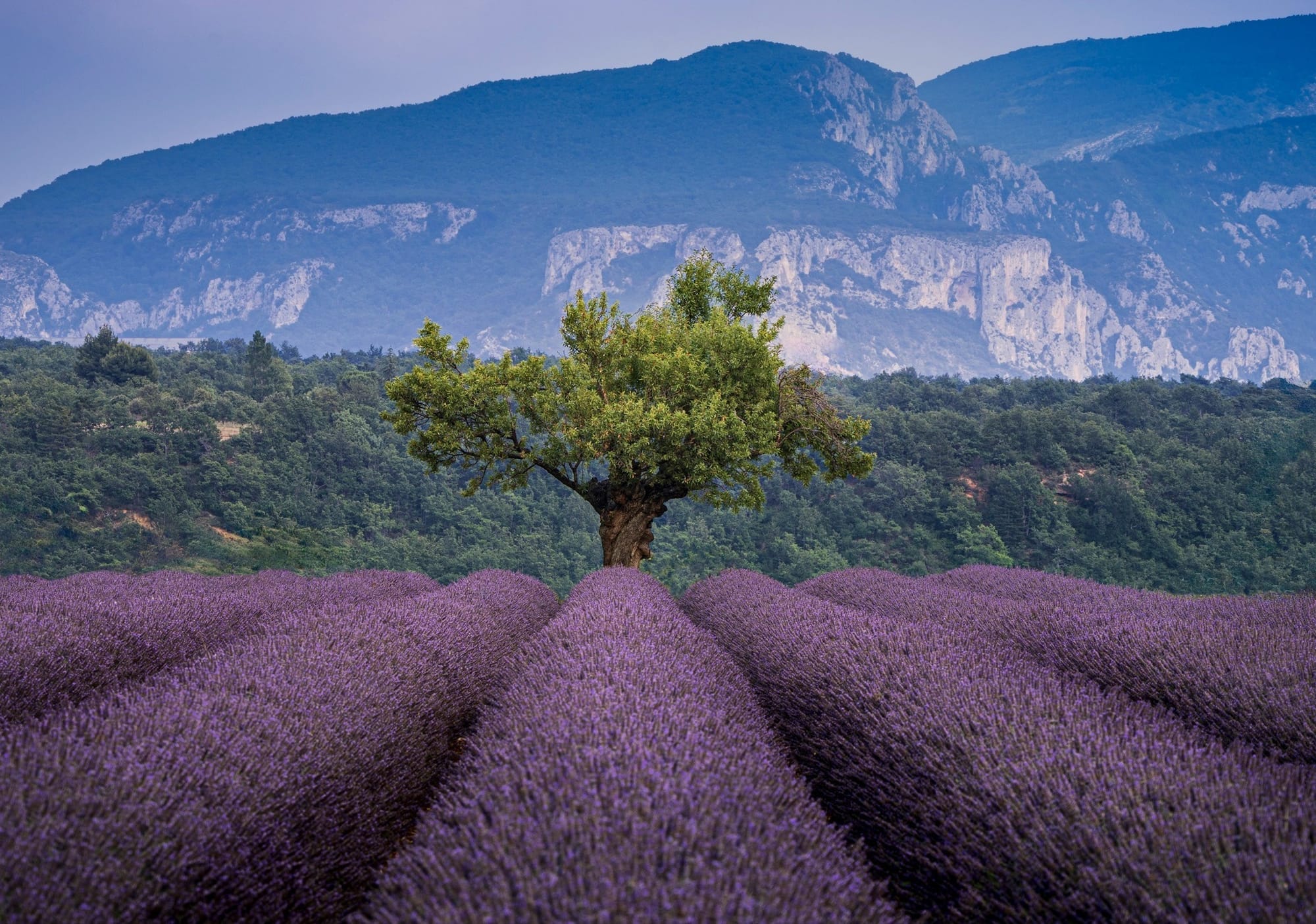
Although the Netherlands offers attractions throughout the year, spring remains particularly special. During this season, vast tulip fields transform sections of the countryside into vibrant displays of colour. Rows of red, yellow, pink, and purple flowers stretch across the landscape, creating scenes that have become synonymous with Dutch tourism.
Outside the major cities, quiet roads and cycling paths pass through agricultural areas where flower cultivation has shaped local traditions for generations. Small villages provide opportunities to experience a slower pace of life while enjoying regional cuisine and local hospitality.
Even travellers visiting outside peak blooming season can appreciate the country's carefully managed rural landscapes. Waterways, windmills, and open fields contribute to a distinctive environment that differs greatly from neighbouring countries.
Amsterdam’s Unique Urban Character
Amsterdam combines historical charm with a remarkably relaxed atmosphere. The city’s famous canals create a layout unlike that of most European capitals, while narrow streets and historic buildings contribute to its distinctive identity.
Museums, markets, and public squares provide endless opportunities for exploration. Cultural institutions such as the Rijksmuseum and the Van Gogh Museum attract international visitors, yet many travellers find equal enjoyment in simply wandering through residential neighbourhoods and waterfront districts.
Cycling plays a central role in daily life, shaping both the appearance and rhythm of the city. Bicycles outnumber cars in many areas, contributing to a more intimate urban experience. This emphasis on human-scale transportation creates an environment that feels welcoming and accessible.
As evening arrives, illuminated bridges and canal reflections add another dimension to the city's appeal. Amsterdam’s atmosphere changes subtly throughout the day while maintaining its unmistakable character.
The French Capital After Dark
Paris offers a very different experience. Broad avenues, monumental architecture, and world-famous landmarks create a sense of grandeur that contrasts sharply with Amsterdam’s compact layout. The city reveals its personality gradually through neighbourhoods that each possess their own identity and charm.
Historic monuments, museums, and public gardens attract visitors throughout the year. Beyond these famous attractions, local cafés, bookshops, and markets contribute to the daily life that gives the city much of its appeal. Walking remains one of the best ways to experience Paris, allowing travellers to discover unexpected corners away from the busiest tourist routes.
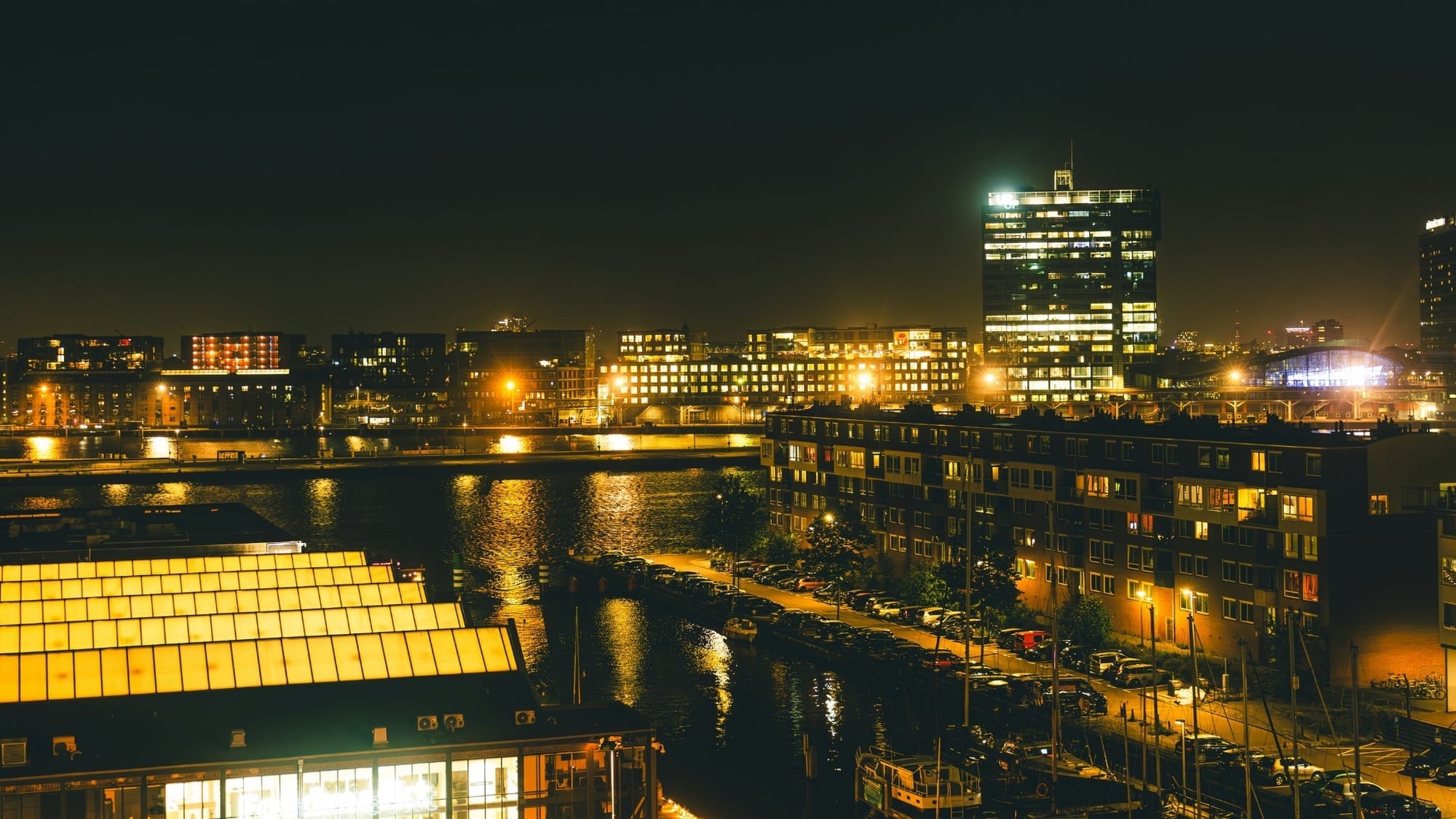
As darkness falls, illuminated buildings and lively public spaces transform the atmosphere once again. The city’s evening energy becomes part of its identity, drawing residents and visitors alike into its streets long after sunset.
Beyond the Major Capitals
While Amsterdam and Paris often dominate travel itineraries, both countries offer rewarding destinations beyond their best-known cities. In the Netherlands, places such as Utrecht, Haarlem, and Leiden provide historic architecture and cultural attractions without the crowds commonly associated with the capital.
France presents an even broader range of possibilities. Regional cities such as Lille, Strasbourg, and Lyon each showcase distinctive traditions and architectural styles. Exploring these locations adds depth to a journey and reveals aspects of local life often overlooked by travellers focusing exclusively on major landmarks.
Rail connections make it possible to include these destinations without significantly complicating travel plans. Even a short stop can provide valuable insight into regional culture and history.
Food and Everyday Culture
Cuisine forms an important part of any journey through the Netherlands and France. Dutch specialities often emphasise simple ingredients and local traditions, while French gastronomy enjoys an international reputation built on regional diversity and culinary heritage.
Markets provide excellent opportunities to sample local products while observing everyday life. Fresh produce, baked goods, cheeses, and seafood reflect the agricultural traditions of each region. Restaurants range from informal cafés to fine dining establishments, offering experiences suited to every type of traveller.
Food also serves as a cultural bridge, connecting visitors with local communities and traditions. Meals frequently become some of the most memorable moments of a trip, particularly when enjoyed in neighbourhood settings away from the busiest tourist areas.
A Journey of Contrasts
Travelling between the Netherlands and France reveals remarkable diversity within a relatively compact part of Europe. Flower-filled landscapes give way to cosmopolitan city streets, while centuries of history remain visible in architecture, public spaces, and local traditions.
The ease of moving between destinations encourages exploration beyond the obvious highlights. Each stop introduces new perspectives, whether through art, food, scenery, or everyday interactions with local culture.
Conclusion
Combining the Netherlands and France in a single journey creates an experience rich in contrast and variety. From colourful tulip fields and peaceful canals to bustling boulevards and illuminated cityscapes, travellers encounter two countries that complement each other beautifully. Connected by efficient rail links and shared cultural heritage, they offer countless opportunities for discovery at every stage of the journey.